
Lieferung heute & morgen

Qualitätsgarantie

Willkommens-Angebote freischalten: KOSTENLOSE Lieferung | Bis zu 80 % RABATT | Kostenlose 30-Tage-JoyPlus-Testphase
App herunterladen
A well-chosen outdoor wall light not only enhances your home's fa?ade but also ensures safety along pathways and in entrance areas. However, the market is flooded with products whose true quality is only revealed after the first winter. Many buyers invest in lights that quickly fail due to moisture or whose materials become unsightly after a short time. This guide will show you which technical details truly matter and how to avoid bad buys, helping you find durable and functional fa?ade lighting.
Before you decide on a model, you should be aware of the typical weaknesses that often only become apparent after installation.
To make an informed decision, focus on the following objective criteria. These will largely determine the lifespan and functionality of your new outdoor light.
The IP (International Protection) Code indicates how well a fixture is protected against the ingress of foreign objects and water. For outdoor use, two ratings are particularly relevant:
The material determines whether your light will still look good after several years.
The right technology adapts to your needs and can significantly increase comfort and efficiency.
Here are some models that are well-suited for different user profiles based on their technical features.
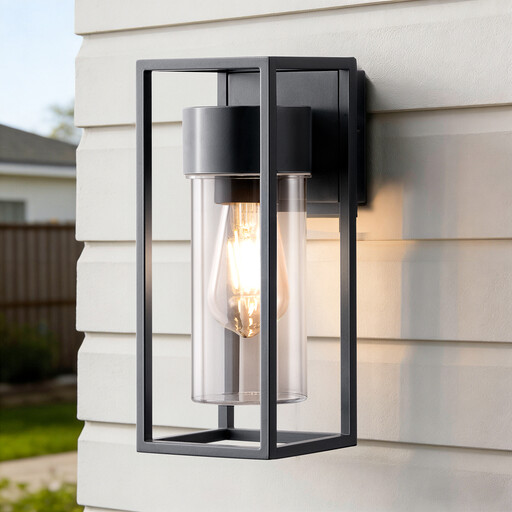
Why This Fits Their Persona: Ideal for users seeking reliable and stylish basic lighting for a balcony or covered entrance without a large budget. Its classic shape complements many architectural styles.
With its IP44 rating, it is designed for sheltered outdoor areas. The aluminium construction prevents rust. Thanks to the E27 socket, you avoid the "disposable light" trap and can replace the bulb at any time.
Flexibility with a replaceable E27 bulb; rust-resistant aluminium housing.
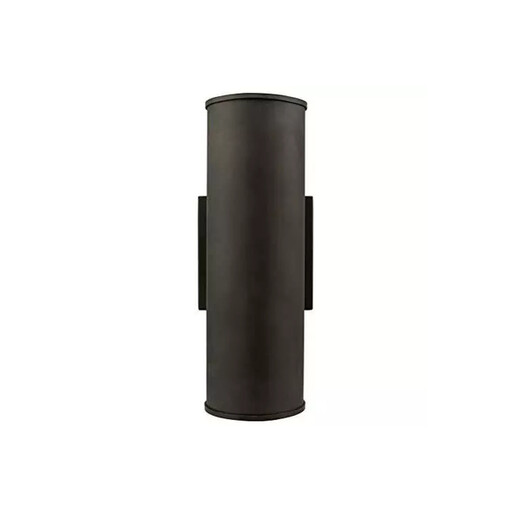
Why This Fits Their Persona: Perfect for homeowners who want to highlight their modern architecture with targeted light accents. This outdoor up-and-down light creates an elegant cone of light on the fa?ade.
The housing is rated as weather-resistant and has an IP44 protection class. Although the LEDs are integrated, it is a brand-name product designed for longevity according to the manufacturer and complies with relevant EU standards (CE, RoHS).
Stylish up-and-down light effect; energy-efficient, integrated LED technology with warm white light (3000K).
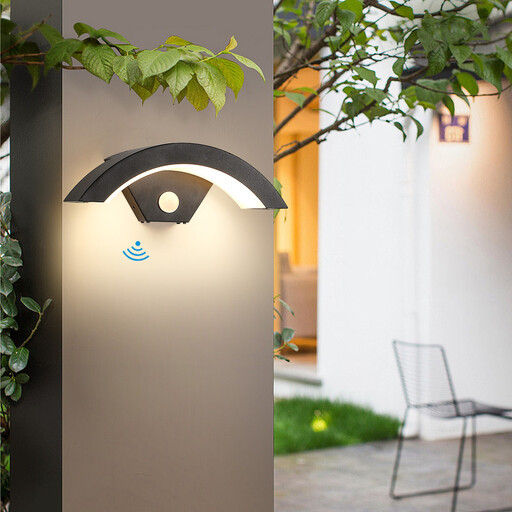
Why This Fits Their Persona: For anyone looking for a fully automated lighting solution for driveways, garages, or entrance areas. The integrated sensor provides light exactly when it's needed.
This model combines multiple functions in one unit, avoiding compatibility issues with external sensors. The die-cast aluminium housing is explicitly described as robust and weather-resistant, thus bypassing the material trap.
Integrated motion and dusk-to-dawn sensor for fully automatic operation; sturdy construction for high durability.
We have compiled a complete, up-to-date list of products that fully meet these strict selection criteria and safety regulations.
For most outdoor applications, such as on covered house walls, balconies, or patios, an IP44 rating (protection against splashing water) is sufficient. If the light is exposed to the elements, including heavy rain or water jets (e.g., from sprinklers), you should choose a light with an IP65 rating or higher.
A light with an integrated LED has the light source permanently built-in. This often allows for slimmer designs and optimised heat dissipation. The disadvantage is that if the LED fails, the entire fixture must be replaced. A light with a standard socket like E27 or GU10 offers the flexibility to easily replace the bulb in case of failure or to adjust the light colour and brightness as desired.
Yes, as a rule, hardwired outdoor lights (230V) must be installed by a qualified electrician. This ensures a safe installation that complies with all regulations, especially regarding sealing against moisture. The exception is solar wall lights or battery-operated models, which do not require a connection to the mains power and can usually be installed yourself.