
Lieferung heute & morgen

Qualitätsgarantie

Willkommens-Angebote freischalten: KOSTENLOSE Lieferung | Bis zu 80 % RABATT | Kostenlose 30-Tage-JoyPlus-Testphase
App herunterladen
A well-chosen outdoor wall light not only enhances the aesthetic of a home's facade but also increases safety on pathways, patios, and in entrance areas. The market offers an overwhelming variety of designs and technologies. However, behind some appealing designs lie quality defects that often only become apparent after the first winter. Before you make a decision, you should know the most common pitfalls that lead to disappointment and unnecessary costs.
As your Joybuy Product Recommendation Officer, I will filter the relevant information for you and show you what really matters when selecting a durable and suitable lighting solution.
Many products promise durability and style, but the reality is often different. Pay special attention to these three points to avoid a bad purchase:
To make an informed decision, focus on objective technical features rather than marketing promises.
The IP (Ingress Protection) rating is an international standard that indicates how well an electrical device is protected against the ingress of foreign objects (first digit) and water (second digit).
The material significantly determines the lifespan and appearance of your outdoor light.
The choice of light source affects not only energy consumption but also flexibility and the atmosphere created.
Here are some recommendations tailored to different needs and styles that meet the quality criteria mentioned.
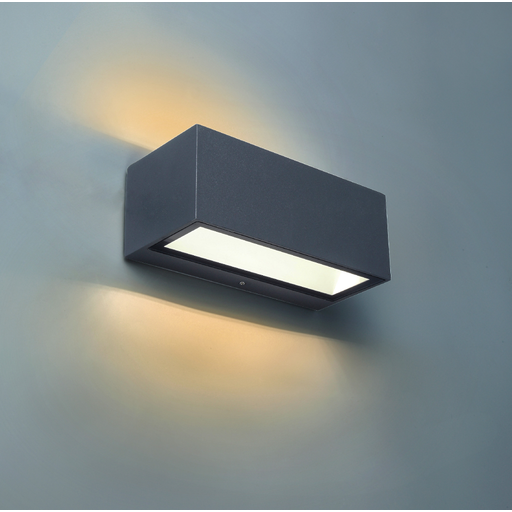
Why it's a great fit: Ideal for lovers of modern architecture who are looking for a clean design language and a striking lighting effect. The anthracite-coloured surface and the up-and-down effect skilfully accentuate a contemporary house facade.
With an IP54 rating, this light is better protected against dust and water than the standard. The die-cast aluminium housing prevents corrosion and ensures durability.
Produces a high light output of 1300 lumens for effective illumination, while keeping energy consumption low at 15 watts.
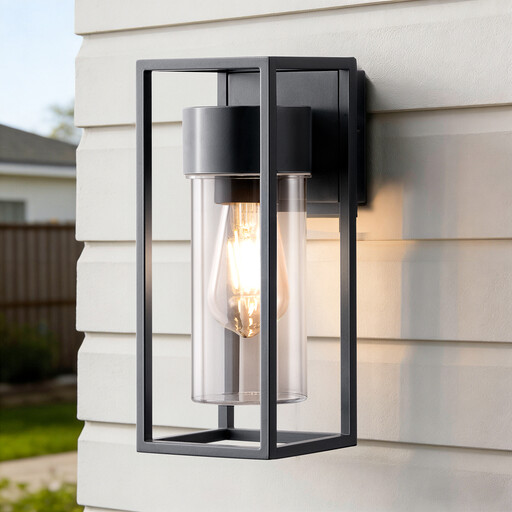
Why it's a great fit: For anyone who values flexibility, easy maintenance, and a timeless design. This light lets you choose the bulb, adapting to your individual needs.
The E27 standard socket bypasses the "disposable light" problem. If the bulb fails, it can be replaced easily and inexpensively. The aluminium housing is also rust-resistant.
Maximum flexibility in choosing brightness, light colour, and smart functions thanks to replaceable E27 bulbs.
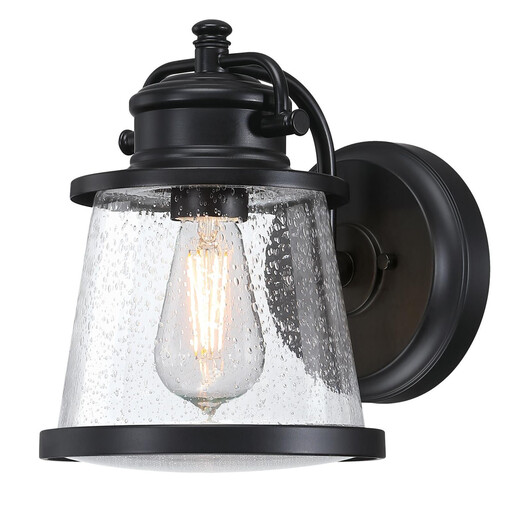
Why it's a great fit: Perfect for older buildings, country houses, or for adding a nostalgic accent. The vintage-style design with blown antique glass creates a welcoming and warm atmosphere at the entrance or on the balcony.
Despite its classic design, the light meets the necessary protection standard with an IP44 rating. The E27 socket allows for the use of modern, energy-efficient LED filament bulbs.
Combines authentic vintage aesthetics with modern functionality and safety. The clear glass showcases decorative bulbs particularly well.
We've compiled a complete, up-to-date list of products that fully meet these strict selection criteria and UK safety regulations.
1. What IP rating is necessary for an outdoor wall light on an unprotected house wall? For a house wall directly exposed to rain, a minimum rating of IP54 is recommended. It offers protection against internal dust deposits and against splashing water from all directions. For particularly exposed locations or if cleaning with a garden hose, IP65 (protection against water jets) is an even safer choice. IP44 is only sufficient for sheltered areas like covered entrances.
2. Should I choose an LED outdoor wall light with an integrated bulb or one with a socket? That depends on your priorities.
3. How do I safely install an outdoor wall light? For safety reasons, the installation of electrical devices outdoors should always be carried out by a qualified electrician. They will ensure that all connections are made correctly and are watertight to prevent short circuits and electric shocks. Before starting any work, always switch off the corresponding circuit breaker in the fuse box and verify that the power is off.