
Lieferung heute & morgen

Qualitätsgarantie

Willkommens-Angebote freischalten: KOSTENLOSE Lieferung | Bis zu 80 % RABATT | Kostenlose 30-Tage-JoyPlus-Testphase
App herunterladen
A well-chosen outdoor wall light not only enhances your home's fa?ade but also provides safety for paths, entrances, and patios. However, the market is flooded with products whose true quality only becomes apparent after a few months outdoors. Many buyers invest in lights that fail to withstand the elements or whose practical, day-to-day handling proves disappointing. This guide highlights the crucial criteria you should consider before buying to find a durable and functional solution.
Before we dive into the technical details, it's important to understand the most common issues that lead to frustration and unnecessary costs.
To make an informed decision, you should carefully examine three technical features. These determine the longevity, safety, and functionality of your new exterior wall lighting.
The IP (Ingress Protection) code is an international standard that classifies the protection of an enclosure against the intrusion of foreign objects and water. For an outdoor wall light, the second digit is crucial.
The material has a direct impact on how your light looks and functions after several years.
The choice of socket determines your flexibility.
Here are some recommendations tailored to different needs and style preferences that meet the quality criteria mentioned above.
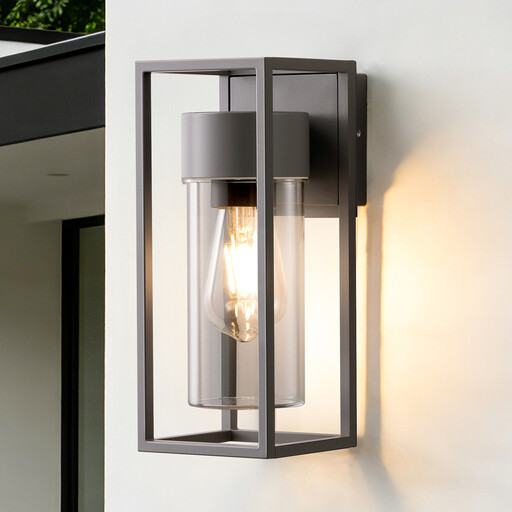
Why It's a Great Fit: Ideal for anyone seeking a functional, durable, and easy-to-manage solution for patio lighting or the entrance area. The simple, modern design in anthracite blends discreetly into most fa?ades.
The widened housing was specially designed for easy and safe bulb replacement, thus avoiding the pitfall of complicated maintenance. The aluminium construction and IP44 certification protect against rust and weather damage.
The E27 socket offers complete flexibility in the choice of bulb. The rust-resistant aluminium ensures a long service life.
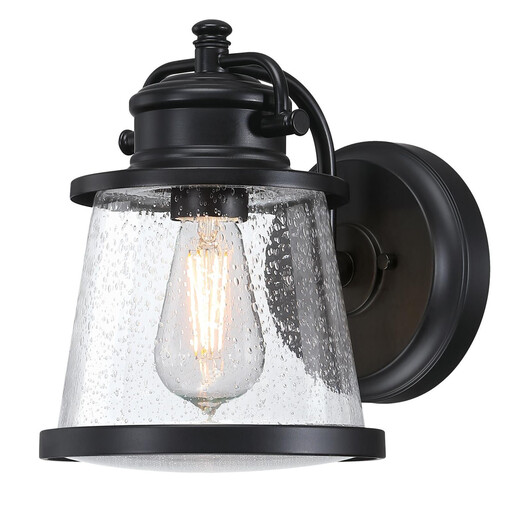
Why It's a Great Fit: Perfect for older buildings or country-style homes. The classic vintage design with a matte black finish and seeded glass adds a stylish accent to the front door or veranda.
This light is made from weather-resistant metal and real glass, not cheap plastic. The IP44 rating ensures reliable protection against splashing water, avoiding the "weatherproof" deception.
The timeless design is enhanced by its compatibility with E27 filament bulbs (e.g., ST64), which produce a particularly warm and atmospheric light. CE, Reach, and RoHS compliant.
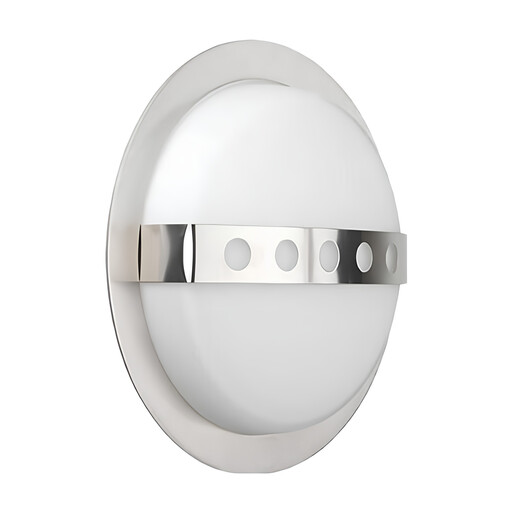
Why It's a Great Fit: For homeowners seeking a high-quality, high-performance, and aesthetically sophisticated balcony light or fa?ade illumination. The combination of matte nickel and satin glass signifies premium material quality.
The use of solid nickel and real glass instead of coated plastic or thin sheet metal avoids the inferior materials trap. The light retains its high-quality appearance even after years of use.
At 2050 lumens, this light offers exceptionally high brightness, ideal for illuminating larger areas. The bulb is already included in the box.
We have compiled a complete, up-to-date list of products that fully meet these strict selection criteria and safety regulations.
1. What IP rating is necessary for an unprotected outdoor wall light? For lights directly exposed to rain (e.g., on an unprotected west-facing fa?ade), an IP65 rating is recommended. These are protected not only against splashing water but also against water jets. For most covered or partially protected areas like balconies, patios, or house entrances, IP44 is sufficient.
2. Can I use an LED bulb in any outdoor wall light? If the light has a standard socket like an E27 or GU10, you can easily use a compatible LED bulb. Pay attention to the maximum wattage specified by the manufacturer for the fixture. LEDs are an excellent choice for outdoor lighting due to their low energy consumption, long lifespan, and low heat emission.
3. Does an outdoor wall light need to be installed by an electrician? Yes, for safety and insurance reasons, the installation of 230-volt lights outdoors should always be carried out by a qualified electrician. They will ensure that all connections are correct and waterproof to maintain the light's IP rating and to prevent hazards from electric shocks or short circuits.