
Lieferung heute & morgen

Qualitätsgarantie

Willkommens-Angebote freischalten: KOSTENLOSE Lieferung | Bis zu 80 % RABATT | Kostenlose 30-Tage-JoyPlus-Testphase
App herunterladen
Choosing a new camping tent can quickly become overwhelming. Manufacturers advertise numerous features, but not all of them deliver on their promises. An unsuitable tent can easily ruin a planned trip. To help you make the right decision, we'll highlight the most common pitfalls and explain which technical features truly matter.
Many buyers rely on marketing claims that often lead to disappointment in practice. Pay close attention to these three points to avoid a bad purchase:
To find the right model, you should focus on objective, technical data. These three criteria are central to the functionality and longevity of your tent.
The waterproofness of a tent is specified in millimeters of water column (mm). This value describes the water pressure the material can withstand before moisture penetrates.
The type of tent largely determines its intended use, weight, and pack size.
A good internal climate is crucial for sleeping comfort.
Based on these objective criteria, we have compiled a few models for different user groups.
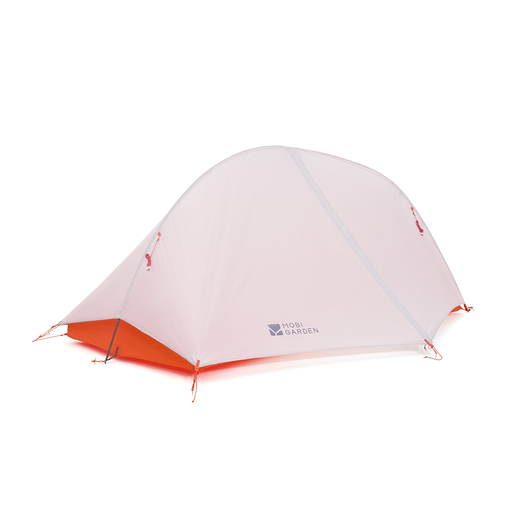
Why it's a great fit: Ideal for long trekking tours where every gram counts. Designed as an ultralight tent, it offers enough space for one person with a lot of gear or two people with minimalist luggage. The small pack size noticeably lightens your backpack.
The capacity rating is realistic for trekking use. The waterproof rating is clearly specified with PU2000mm and 20D ripstop nylon, rather than being vaguely advertised as just "waterproof."
Extremely low net weight of approx. 1.18 kg. Two entrances for flexible access and improved ventilation.
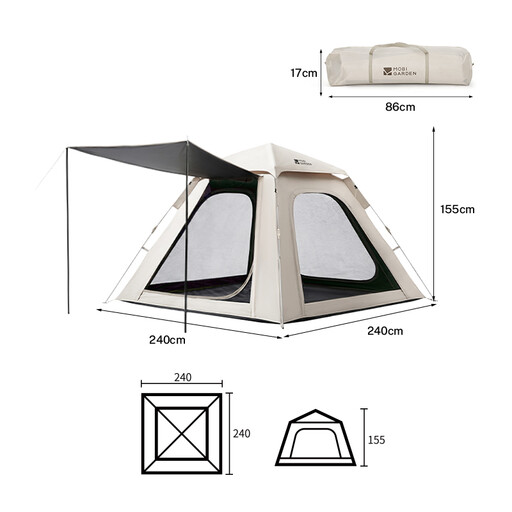
Why it's a great fit: Perfect for families or groups who value a quick setup and high comfort. The blackout coating ensures darkness and more pleasant temperatures, which is especially beneficial with children.
Solves the problem of complex setup with a 3-second pop-up structure. The floor area of approx. 5.76 m? is a clear specification, avoiding inaccurate person-capacity claims. The UPF50+ protection is a verifiable feature.
Complete darkness thanks to blackout fabric for restful sleep. A five-sided ventilation system with large mesh doors provides excellent air circulation.
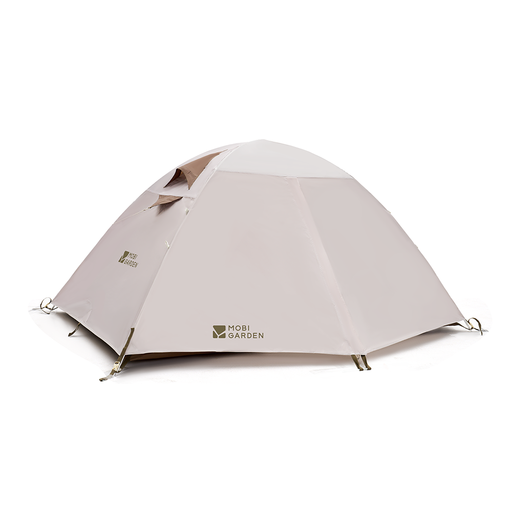
Why it's a great fit: A solid all-round tent for couples or two friends looking for a reliable and straightforward 2-person tent for weekend trips or festivals. It offers a good balance of weight, pack size, and weather protection.
Instead of vague promises, it provides clear specs: The flysheet has a water column rating of PU2000mm, and the highly durable floor has an even better PU4000mm rating. This offers dependable protection from moisture from above and below.
Good ratio of weight (approx. 2.64 kg) to durability. The simple setup and compact pack size make it a practical companion.
We've compiled a complete, up-to-date list of products that meet these strict selection criteria.
1. How important is the water column rating on a camping tent? The water column rating (or hydrostatic head) is a crucial indicator of weather protection quality. While a rating of 1,500 mm for the flysheet might suffice for light drizzle, a rating of 2,000 mm to 3,000 mm is a safe choice for typical Central European weather. The rating for the tent floor is even more critical: it should be at least 3,000 mm, or better yet 5,000 mm, to prevent moisture from being pushed through from the ground under pressure.
2. What does "3-season tent" mean? A 3-season tent is designed for use in spring, summer, and autumn. It offers a good compromise between ventilation for warm days and stability and weather protection for windy and rainy conditions. However, it is not designed for extreme winter conditions like heavy snowfall or storms. For such conditions, special 4-season or expedition tents are required.
3. How do I properly care for my tent to extend its lifespan? Proper care is essential. Clean the tent of dirt and sand after each use, preferably with only water and a soft cloth. Always let the tent dry completely in a shady, well-ventilated area before packing it away. Moisture in the stuff sack will quickly lead to mildew and damage the waterproof coating. Store it in a cool, dry place and avoid always folding it along the same crease lines to prevent material fatigue.