
Lieferung heute & morgen

Qualitätsgarantie

Willkommens-Angebote freischalten: KOSTENLOSE Lieferung | Bis zu 80 % RABATT | Kostenlose 30-Tage-JoyPlus-Testphase
App herunterladen
Whether garden, park, beach, snow or paddling pool: outdoor toys for children should encourage movement, be age-appropriate and slot easily into family life. At the same time, the sheer choice can make buying tricky. Product photos often showcase elaborate features, while vital details on age, dimensions, materials or supervision only appear in the small print.
The following criteria help parents and grandparents assess marketing claims objectively and choose suitable outdoor games for children.
Motorised toys, light and sound effects or extensive accessories look appealing at first. Before buying, check whether batteries or rechargeable packs are included, which spare parts are needed, and whether the product can be used sensibly without the add-ons. For a remote-controlled car, range, charging time, terrain and a spare battery are also relevant details.
A toy labelled 3+ isn’t automatically right for every child in that age band. Height, strength, coordination and the intended environment also matter. A children’s hula hoop may have a specific length and weight, while a motorised dart blaster is explicitly only intended from age 8.
Especially for younger children, consider swallowable small parts, cords and moving components. Always compare the age recommendation on the packaging and product page with the child’s developmental stage.
A product might be designed for outdoor use yet still require a level surface, enough space or certain weather conditions. A children’s kite needs an open area and suitable wind. A sledge must only be used on designated slopes away from roads and obstacles. Water toys, in turn, never replace direct supervision and aren’t automatically a flotation aid.
Start by checking:
The HAMAX Sno Formula Steering Bobsled is, for example, listed from age 3 and, according to the product description, has a maximum load capacity of 90 kg. The red HAMAX model is also stated as 3+, but is rated for a maximum of 80 kg and one person. Differences like these matter for families with multiple users.
For frequently used garden toys, the material should suit the application. Soft foam can make contact more comfortable indoors and outdoors with a soft football, but it must be protected from sharp objects. For plastic products, information on cleaning, storage and temperature resistance is helpful.
After water play, rinse products with clean water and dry them completely. Inflatable swimming aids must be checked before every use for visible damage and for fully inflated air chambers.
With a bubble machine or a remote-controlled vehicle, check the battery type, charging method and consumables. These may include bubble liquid, replacement darts or rechargeable packs. A simple product without electronics may require less preparation day to day, while a battery-powered model offers additional features.
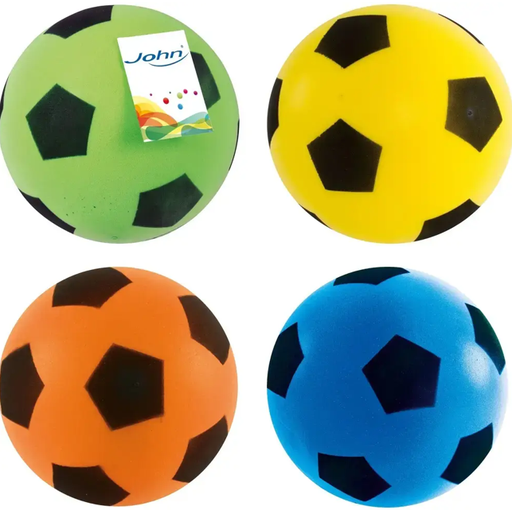
Why this product fits the profile: The lightweight ball is listed for children aged 3 to 8 and can be used indoors and outdoors for simple throwing, rolling and football games.
The spec lists diameter, weight, material and age range. That makes suitability easier to judge than vague terms like ‘robust’.
20 cm diameter, around 165 g weight and soft foam/plastic construction; colour selection is random.
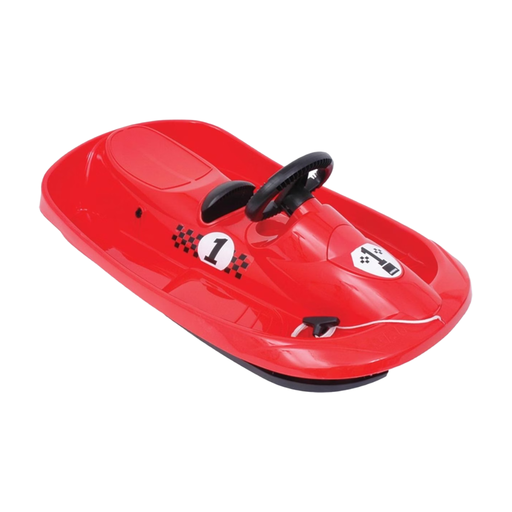
Why this product fits the profile: The steering bob is intended for winter use from age 3 and combines HDPE plastic with steering and braking functions.
The maximum load of 80 kg and the dimensions of around 95 cm in length are specified. This lets families check usage and storage in advance.
HDPE material, integrated brake and steering function; no batteries or electronic components required.
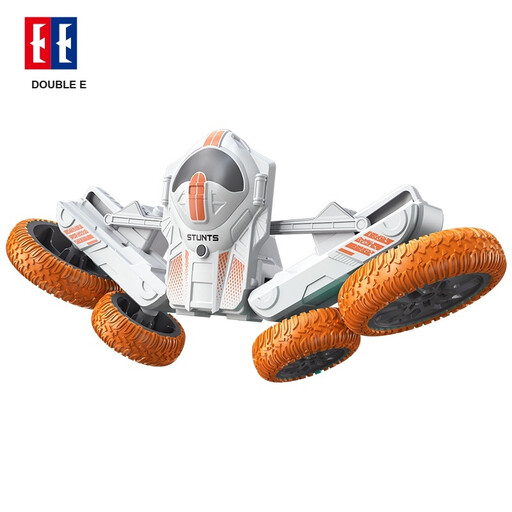
Why this product fits the profile: According to the product name, the remote-controlled car is aimed at children aged 6+ and is a good fit for families seeking an electronic movement toy with spinning and driving functions.
Before purchase, you can match the intended functions, age guidance and charging requirements with your own intended location.
2.4 GHz remote control, two-sided driving, 360-degree spins, plus LED light and music as per the product listing.
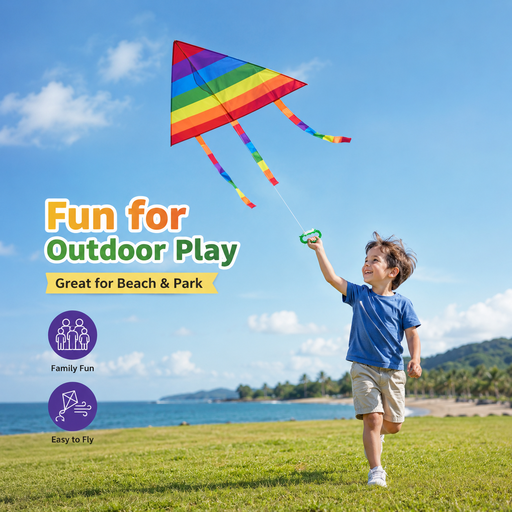
Why this product fits the profile: The delta kite is designed for park and beach activities and makes a manageable gift idea for children, provided a clear open area is available.
The product description points to use in open ground and under supervision. This prevents inappropriate use near roads, trees or power lines.
Rainbow design, supplied as a single piece and easy to integrate into family activities.
We’ve put together a complete, continuously updated list of products that fully meet these strict selection criteria and the safety regulations in force in the EU.
Depending on space and supervision, toys for children aged 3+ could include a soft football, a kite or a sledge. From around age 6, a hula hoop or a remote-controlled car can be interesting. The HAMAX seat bob described is, according to the information provided, suitable from age 3, while the XSHOT Insanity Motorized Clip Blaster should only be used from age 8. For the blaster, note battery operation, compatible XSHOT darts and the guidance “do not aim at eyes or face”.
Particular care is needed with younger children in the water: the HAPPY PEOPLE BEMA seat ring is specified for children up to approximately 11 kg or about 1 year old. The product description explicitly states that it is not a lifesaving device. BEMA armbands from 12 months must also only be used under direct supervision and do not protect against drowning.
That depends on motor skills, height and the environment. A lightweight soft football, an age-appropriate sledge or an easy-to-handle kite can be suitable options. What matters are the manufacturer’s details, the condition of the product and direct adult supervision.
Lifespan depends on material, frequency of use, storage and care. Plastic should be dried after use in snow or water. Balls shouldn’t be kept near sharp objects, and electronic toys should be stored dry and charged as instructed. Regular visual checks help to spot cracks, loose parts or damaged cords early.
With a soft ball, kite or hula hoop there are usually no regular running costs. A remote-controlled car needs power for charging, a blaster requires batteries and compatible darts. A bubble machine also needs liquid. Factor these costs into your decision before buying.