Batch bakers
You want to make several lunches in one go. Measure your dish, including its handles, and check the shelf space and, where relevant, the dimensions of the housing.


If you want to make several lunches in one large oven dish, a built-in oven could be a good option, provided the housing and usable oven space are suitable. For smaller portions and a kitchen without space for a built-in appliance, a freestanding mini oven may work well. Compare the dish dimensions, oven capacity and a safe place to position the appliance rather than relying on the litre capacity alone. Whichever type of oven you choose, cool prepared chicken dishes promptly and reheat them thoroughly.
You want to make several lunches in one go. Measure your dish, including its handles, and check the shelf space and, where relevant, the dimensions of the housing.
You make smaller portions of enchiladas and don’t have a suitable space for a built-in oven. As well as checking the oven capacity, you’ll need a suitable, safe place for a freestanding appliance.
You prepare chicken dishes to take with you. Remember to plan for cooling, transport and thorough reheating as well as baking.
A good fit if: you have a suitable housing and plan to use a large dish or bake several batches.
Things to consider: the housing dimensions and usable oven space must suit the specific model. A large oven cavity doesn’t guarantee that every dish will fit.
A good fit if: you don’t have space for a built-in oven or you prepare smaller portions.
Things to consider: you’ll need space for the appliance, too. Check the positioning instructions and the usable space for your dish.
| Priority | What to check when buying | Who should pay particular attention? |
|---|---|---|
| Dish size and number of portions | Compare the outside dimensions of the filled dish, including its handles, with the usable width, depth and height of the specific oven. | If you’re baking several lunches in one large dish, it needs to fit properly. Around 33% of consumers therefore put dish space and portion size first. |
| Built-in or freestanding space | For built-in appliances, check the housing dimensions and instructions. For freestanding models, check the overall dimensions, door opening and positioning instructions. | If you don’t have a suitable space for a built-in oven, you’ll need to allow for worktop space and safe positioning of a freestanding model. Around 27% of consumers prioritise the space available. |
| Energy use and cleaning | Compare kWh per standard cycle and heating method on a like-for-like basis. Check the cleaning method and whether accessories can be removed on the specific model. | If you bake regularly, energy-use information and the effort involved in cleaning up spills both matter. Around 20% of consumers focus mainly on running costs and cleaning. |
| Safe meal prep | Plan ahead to make sure you can keep portions chilled during storage and transport, and reheat them thoroughly. | If you’re preparing chicken enchiladas for several weekdays, you’ll need a suitable chilling and reheating plan as well as an oven. Around 20% of consumers put this safe routine first. |
The German consumer advice centre presents energy-use figures by standard cycle and heating method; they don’t directly show how much electricity a particular enchilada recipe will use. The German Environment Agency explains that the energy label for covered ovens shows, among other things, cavity size and average energy use per cycle.
The oven’s capacity and any included baking tray don’t prove that a rectangular dish, handles and all, will fit inside.
Measure your dish and compare its dimensions with the usable space in the specific appliance.
If the dish doesn’t fit, you may need to bake another batch or use a different dish.
The door opening and model-specific positioning instructions also matter when choosing where to put it.
Before buying, check the space you have against the instructions for the exact model.
The German consumer advice centre and the German Environment Agency describe standardised cycle figures; these aren’t measurements for your dish, quantity or baking time.
Compare label figures only when the heating method and test conditions are the same, and don’t use them to estimate savings for a particular recipe.
A suitable oven doesn’t replace the need to cool cooked portions promptly and store them in the fridge.
The German Federal Institute for Risk Assessment (BfR) recommends storing leftovers in the fridge and eating them within two to three days. If needed, plan to portion and freeze some of the food.
Built-in ovens for kitchens with a suitable housing. The HBA571BB4 is one example to consider when checking whether an oven can handle larger batches.
Mini ovens are an option if you don’t have space for a built-in model. The BGE 1580/E and BG 1805/E also differ in their stated baking tray dimensions.
Freestanding ovens and toaster ovens. The TO 2073 is a larger freestanding model, so you can check whether you have room for it.
Compact freestanding ovens such as the TO 26 SilverStyle may be worth considering if you’re checking the fit of smaller dishes and want a choice of heating methods.
The products below range from freestanding ovens to compact appliances with a baking function. Before choosing, check whether your dish will fit in the oven cavity. Appliances with separate drawers don’t have one continuous oven cavity.
 No image available
Described as a freestanding convection oven. Before buying, check whether your oven dish will fit inside.
35 l oven capacity; four-level baking rack according to the product name.
 No image available
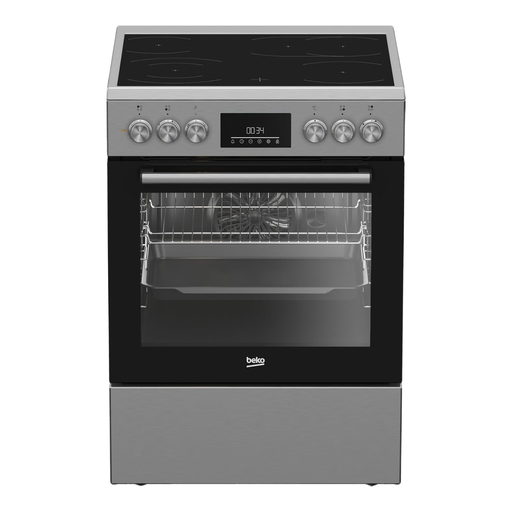
A freestanding cooker with an oven for larger batches. Check the space available, the usable area for your dish and the installation instructions for the specific model.
72 l oven capacity, eight heating methods and energy class A according to the product name.
 No image available
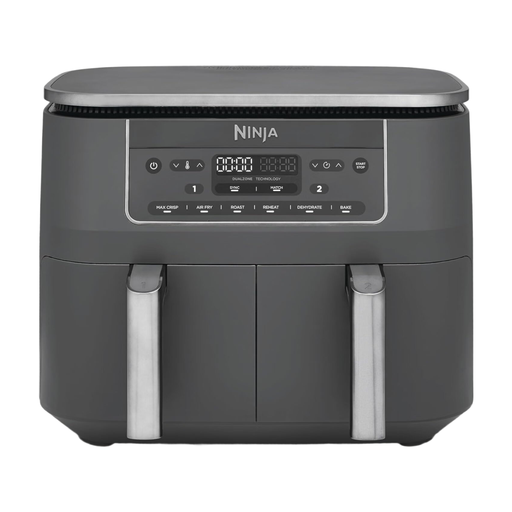
The product name lists a baking function. Check whether the two separate drawers are suitable for your dish and portion size.
7.6 l total capacity and two drawers according to the product name. The drawers don’t form one oven cavity.
 No image available
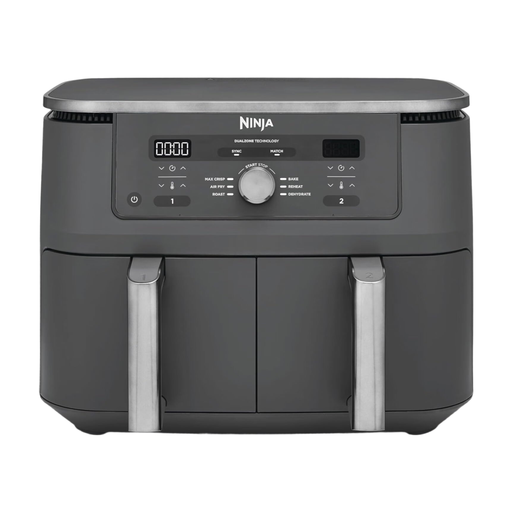
The product name lists a baking function. Check whether the separate drawers, rather than one oven cavity, suit the way you plan to cook.
9.5 l total capacity and two drawers according to the product name.
 No image available
Described as a freestanding toaster oven with a baking function. Compare the dimensions of your dish with the usable oven space.
30 l and 1800 W according to the product name; the name also lists 21 presets.
No. Compare the outside dimensions of your dish, including its handles, with the usable space and height of the specific appliance. Even the stated dimensions of a baking tray don’t confirm the maximum size of an oven dish that will fit.
The German Federal Institute for Risk Assessment (BfR) recommends storing leftovers in the fridge and eating them within two to three days. Cool larger quantities to below 7 °C within a few hours, for example by dividing them between several shallow containers. If you plan to eat them later in the week, consider freezing them.
Keep perishable food chilled while you’re travelling, and follow the BfR’s advice to heat it to 70 °C throughout for at least two minutes. The oven’s set temperature doesn’t prove that the centre of the enchiladas has reached this temperature.
The EU energy label for covered ovens shows, among other things, kWh per standard cycle for fan-assisted and conventional heating. Compare figures only on a like-for-like basis: they don’t show the energy use of a particular enchilada recipe. If a mini oven doesn’t have this label, that alone doesn’t tell you whether its energy use is low or high.
No. If you buy from a trader in the EU, you generally have a minimum two-year legal guarantee from the seller. Any additional voluntary manufacturer’s guarantee is separate and cannot reduce these rights; check its terms separately.