Traybakes for a group
If you want to make butter cake for several people on a large tray, check first that the tray you plan to use will actually fit inside the oven. Dr. Oetker’s recipe uses a 40 × 30 cm tray.


When baking butter cake together, first check that the usable tray area suits your recipe: Dr. Oetker specifies a 40 × 30 cm tray, and the oven’s capacity in litres alone won’t tell you whether it will fit. For one tray, the recipe suggests either conventional top-and-bottom heat or fan-assisted heat. Multiple shelf levels are mainly useful if you want to bake additional trays at the same time. Built-in and countertop ovens differ chiefly in the space they take up and the tray sizes they can accommodate.
If you want to make butter cake for several people on a large tray, check first that the tray you plan to use will actually fit inside the oven. Dr. Oetker’s recipe uses a 40 × 30 cm tray.
If you’re planning extra bakes or several cakes, check whether the oven’s fan setting and shelf levels suit the way you want to bake. A manufacturer’s claim that an oven supports multiple levels doesn’t replace checking the instruction manual for the specific model.
A countertop oven may be suitable if you don’t have space for a built-in model and can adapt the quantity of cake or number of batches to the usable tray area. Check both the space available on your worktop and the tray dimensions.
First, decide whether a built-in oven or a freestanding countertop model will suit your kitchen. Then check the tray area, your planned baking routine and the operating and cleaning features that matter to you.
| Buying consideration | What to look for | Who should pay particular attention? |
|---|---|---|
| Tray fit | Check the usable internal dimensions, the tray dimensions, the shelf runners and the clearance required. Dr. Oetker’s recipe uses a 40 × 30 cm tray; the capacity in litres is no substitute for comparing measurements. | If I’m baking this recipe for several people, the tray needs to fit properly. Around 36% of consumers put tray fit first. |
| Heating settings and baking routine | Dr. Oetker’s recipe suggests conventional top-and-bottom heat or fan-assisted heat for one tray. If you want to bake several trays at once, check which shelf levels the specific model supports. | If I’m planning several trays or other bakes for a group, being able to bake them at the same time is essential. Around 29% of consumers prioritise multiple trays and the heating settings. |
| Cleaning | Check whether the specific model requires manual cleaning or offers hydrolytic or pyrolytic cleaning. According to NDR, pyrolysis uses additional energy. | If I use the oven regularly, I want to take the cleaning effort into account when choosing. Around 21% of consumers prioritise easy cleaning. |
| Energy consumption | For ovens covered by the relevant measurements, you can compare the stated kWh per standard cycle for the different heating settings. The European Commission lists small ovens as an exception within the scope shown. | If I bake often, I want to compare energy use on a like-for-like basis rather than looking only at the letter on the energy label. Around 14% of consumers prioritise energy consumption. |
A capacity figure doesn’t confirm that a 40 × 30 cm tray will fit inside the oven. This matters if you want to stick to the recipe quantity when baking for a group.
Before you buy, check the usable internal dimensions and tray measurements for the specific model, or adjust the recipe quantity deliberately.
Depending on the fit, you may need a different tray or an extra baking round.
The recipe gives the option of either conventional top-and-bottom heat or fan-assisted heat for one tray. Multiple shelf levels are mainly useful if you want to bake additional trays at the same time.
Start with the tray you need and the quantity you plan to bake, then consider any extra features.
Self-cleaning can reduce the effort involved in cleaning, but according to NDR, pyrolysis uses additional energy.
Weigh up how often you’ll clean the oven and the convenience it offers against the extra energy use, and follow the instruction manual.
For a built-in oven, the housing and electrical connection must suit both your kitchen and the specific appliance. In Germany, § 13 NAV governs work on electrical installations.
Check the housing and connection type before buying. Find out whether installation work is needed and whether it must be carried out by a qualified professional.
You may need to budget for a suitable built-in space and any necessary installation work.
Built-in ovens such as the Serie 2 HBA571BB4 may suit you if you have a suitable oven housing and want to use fan-assisted heat on multiple shelf levels.
Built-in ovens such as the iQ300 HB572ABS3 are an option if you want multiple shelf levels or additional programmes.
The TS6PB51ZAB built-in oven may suit you if you’re considering features beyond baking, such as a food probe.
The TO 2058 countertop oven may suit you if a freestanding appliance works better in your kitchen and you’re happy to bake smaller quantities or in several batches.
Built-in ovens such as the BBI11P8FHT2SK are aimed at buyers who want to consider steam options for other dishes as well as classic baking functions.
The Joybuy products below are built-in ovens for kitchens with a suitable oven housing. Before buying, pay particular attention to the usable tray area for your recipe.
 No image available
For a recipe that uses conventional top-and-bottom heat or fan-assisted heat, either setting is worth considering. Check separately whether the 40 × 30 cm tray will fit.
The product name lists 3D hot air and pyrolytic self-cleaning.
Before installation, check the oven housing and connection type. Any necessary work on the electrical installation must be arranged in accordance with § 13 NAV.
 No image available
This model may suit you as a built-in oven if you have a suitable oven housing. Check whether your cake tray will fit in the usable oven space.
The product name lists 60 cm, 70 l and 3 kW.
Before installation, check the oven housing and connection type. Any necessary work on the electrical installation must be arranged in accordance with § 13 NAV.
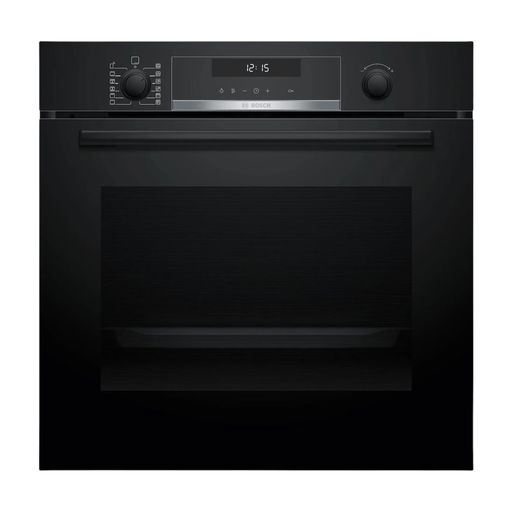 No image available
This built-in model may suit a kitchen with a suitable oven housing. Check in advance that the usable area will accommodate the 40 × 30 cm recipe tray.
The product name lists pyrolytic cleaning, Home Connect and AirFry.
Before installation, check the oven housing and connection type. Any necessary work on the electrical installation must be arranged in accordance with § 13 NAV.
 No image available
If you’re considering fan-assisted heat for other bakes, check that the specific model offers the shelf levels you need and that its tray dimensions suit your requirements.
The product name lists 3D hot air and AirFry.
Before installation, check the oven housing and connection type. Any necessary work on the electrical installation must be arranged in accordance with § 13 NAV.
 No image available
This built-in model may suit you if it fits your kitchen’s oven housing. Also check that there’s enough room in the oven for the cake tray you need.
The product name lists 9 cooking functions and an A+ energy rating.
Before installation, check the oven housing and connection type. Any necessary work on the electrical installation must be arranged in accordance with § 13 NAV.
For a 40 × 30 cm tray in a preheated oven, Dr. Oetker recommends about 200 °C with conventional top-and-bottom heat or about 180 °C with fan-assisted heat, on the middle shelf, for around 15 minutes. These are recipe-specific instructions, not settings that will suit every cake batter and oven.
No. Check the usable tray and internal dimensions of the specific oven. The capacity in litres describes the oven volume, not the space available for a tray. Dr. Oetker’s recipe calls for a 40 × 30 cm tray.
It depends on the type of connection. Under § 13 NAV, work on an electrical installation may generally only be carried out by the network operator or a company listed in its register of approved installers. This shouldn’t be confused with simply plugging in an appliance designed to use a standard plug. Check the connection type and the manufacturer’s instructions for the specific model.
No. Small ovens aren’t necessarily covered by the same requirements as the household ovens included in the relevant scheme. The European Commission lists small ovens as an exception within the scope shown. Check the labelling for the specific type of appliance rather than assuming that no label means it uses less energy.
Your statutory rights against the seller are separate from a guarantee, which is offered voluntarily. Any additional guarantee is subject to its own specific terms and conditions.