If you’re using several suitable tins, a built-in oven with a clearly specified multi-level fan function is the obvious choice, provided the manual, spacing and tin dimensions allow you to bake them together. For smaller batches without a built-in oven space, a compact fan oven may be suitable. A fan function doesn’t guarantee the right result for every egg custard filling, or that it will keep its texture after defrosting. Follow your recipe and first test a fully baked portion by freezing and defrosting it.
Which oven is right for you?
Batch bakers using several tins
If you want to bake several tarts at a time, check whether the tins and shelf positions make the stated multi-level function genuinely usable. Siemens and AEG advise that the manual for the specific oven is the guide to follow when baking on multiple levels.
Bakers making delicate egg custard
If the filling is your priority, follow the recipe’s guidance on heating mode and shelf position, and assess the result after freezing separately from the baked result. The German consumer advice centre (Verbraucherzentrale) gives pudding as an example of a food that can become watery when frozen.
Bakers without space for a built-in oven
If you tend to bake smaller quantities and don’t have a space for a built-in oven, compare the footprint and usable interior of a countertop oven with the dimensions of your tart tin. Severin gives the TO 2068 a capacity of around 20 litres.
What to look for when buying
First decide whether you want to bake several suitable tins at once or focus on a single bake that you can monitor closely. Then compare the space required and the heating modes your recipe calls for.
| What matters to you |
What to check when buying |
Who this matters most to |
| Several tarts per batch |
Check the diameter and height of your tins against the usable shelf positions and the multi-level baking guidance in the instruction manual. |
If I want to fit several suitable tins into one batch, the actual spacing matters more than the number of shelf levels alone. Around 36% of consumers make baking several tins their main priority. |
| Egg custard and defrosting |
Check the recipe’s guidance on conventional heat and fan cooking; freeze and defrost a fully baked test portion separately. |
If the texture of the filling matters more to me than how many tins I can bake at once, I want to monitor the recipe separately and check the result after defrosting for myself. Around 29% of consumers prioritise baking results and freezing quality. |
| Energy use and cleaning |
Compare energy consumption per standard baking cycle for the relevant heating modes, as well as the model’s cleaning method and care instructions. |
If I bake frequently, I want to take running costs and the effort involved in cleaning into account. Around 21% of consumers focus on these ongoing considerations. |
| Space and fit |
Compare the installation dimensions or footprint and interior space with the room available and the dimensions of your tin. |
If my kitchen doesn’t have a suitable space for a built-in oven or my worktop is limited, the appliance needs to fit safely in the space and accommodate the tin. Around 14% of consumers consider fitting their available space their top priority. |
Common misconceptions
-
“Three levels” means there’s room for three filled tarts
The number of shelf positions doesn’t tell you whether wide or deep tins will fit with enough space between them. AEG recommends using multiple levels only if the manual for the specific appliance says to do so; this option is often intended for flat, small baked goods.
Measure your tins and accessories, then check the shelf-position and multi-level baking guidance for the exact model before planning a larger batch.
If the tins won’t fit together, you may need to bake in additional batches or find suitable trays.
-
The oven determines whether the tart stays creamy after defrosting
The German consumer advice centre (Verbraucherzentrale) notes that pudding can become watery when frozen. This doesn’t prove how every baked egg custard tart will turn out after defrosting.
Start by baking a small test portion, freeze it separately and check its texture after defrosting before planning a whole batch.
An unsuccessful test could cost you ingredients and time before you make a larger quantity.
-
An energy rating or convenient programmes are enough to compare ovens
Convenience and cleaning features don’t, by themselves, tell you which heating mode suits your filling. For domestic ovens, energy consumption is given per standard baking cycle for each heating mode.
Compare the figures for the specific model and check that it offers the heating modes your recipe needs before weighing up additional programmes.
Brands and suitable appliance ranges
Siemens
The HB314G0S3 is a built-in oven with specified 3D hot air and clear information about its shelf supports.
- For this model, Siemens specifies hot air on up to three levels and lists a baking tray, combination wire shelf and universal pan as accessories.
- The number of levels doesn’t confirm that three tart tins will fit at once; the appliance dimensions also need to suit the oven housing.
NEFF
The B6ACJ7AG3 is a built-in oven with CircoTherm features that vary by model.
- For this model, NEFF specifies CircoTherm for baking on up to three levels, along with a retractable door and two cleaning methods.
- For your tart tins, the shelf-position guidance in the manual for the specific model is still essential.
Bosch
The HBA272BB3 is an example of a built-in oven with specified 3D hot air and pyrolytic and hydrolytic cleaning.
- Bosch specifies baking on up to three levels for this model, as well as both cleaning methods.
- AirFry and automatic programmes don’t prove that egg custard tarts will bake better or freeze more successfully.
Bauknecht
The BBARS85HU1I is a built-in oven for which the manufacturer specifies three usable levels and pull-out shelves.
- Bauknecht describes baking on up to three levels and lists Gentle Steam functions.
- The steam programmes described are intended for other foods and don’t demonstrate any particular suitability for egg custard tarts.
Severin
The TO 2068 is a compact countertop fan oven for smaller batches when you don’t have space for a built-in oven.
- Severin specifies a capacity of around 20 litres and a fan function.
- Four shelf positions don’t prove that several filled tarts will fit at once; check the usable interior against the size of your tin.
Joybuy products for this baking task
These appliances cover built-in and freestanding oven options with specified fan functions for baking tarts.
 No image available
Bosch HBG578ES3 Series 6 built-in oven, 60 cm, 3D hot air, AirFry
Could suit several tins, provided the instruction manual, spacing and tin dimensions allow baking on multiple levels.
3D hot air is specified for up to three levels; conventional heat and a 71-litre oven capacity are also listed.
Pyrolytic cleaning and a baking tray are listed. Three levels don’t guarantee that three filled tart tins will fit at once.
Joybuy
 No image available
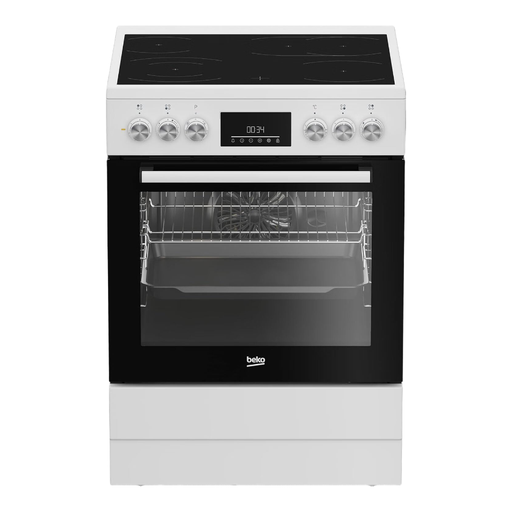
Beko FBM67320WS freestanding oven, 72 litres, white
Could be suitable if you’re looking for a freestanding appliance with fan cooking and a larger oven; check your tin dimensions against the usable interior.
The product details list fan cooking with a ring heating element, conventional heat, a 72-litre oven capacity and eight heating functions.
This is a freestanding electric cooker with a hob, so it needs floor space. Professional installation is recommended.
Joybuy
Frequently asked questions
Can I bake several egg custard tarts at once using any multi-level fan function?
No. Check your tins and the manual for the specific appliance. AEG recommends using multiple levels only if the instruction manual says to, and notes that this option is often suited to flat, small baked goods. So a stated number of levels doesn’t guarantee that several filled tart tins will fit.
Will a baked egg custard tart stay just as creamy after freezing?
There’s no single answer that applies to every recipe. The German consumer advice centre (Verbraucherzentrale) warns that pudding can become watery when frozen; that doesn’t automatically mean the same will happen to every baked egg custard tart. Start by testing a small, fully baked portion.
What should I bear in mind when preparing and storing foods containing eggs?
The German Federal Institute for Risk Assessment identifies egg products and creams that haven’t been heated sufficiently as foods that can pose a risk. Its general food hygiene recommendations include heating food throughout to at least 70 °C for two minutes and quickly cooling hot food to below 7 °C if it’s going to be stored for longer. These general guidelines don’t replace a baking programme suited to your specific recipe.
Which energy figures are useful when comparing ovens?
Compare the energy consumption figures for the specific model per standard baking cycle, and check which heating mode they apply to. The German consumer advice centre (Verbraucherzentrale) explains that oven figures are given separately for conventional heat and fan cooking. Also check that the appliance offers the heating mode your recipe calls for.


