Bakers with limited space
You need an oven that not only fits on your worktop, but can also be used there with the clearances specified in its instructions.


First, choose a spot where the specific appliance can be used safely, with all the clearances required by its instructions. Then check whether the tray and the number of rolls you want to bake will fit. A compact mini oven may work for small batches; if you bake more often, usable tray space and the right heating functions are key. An existing built-in oven won’t take up extra worktop space, while a basket air fryer is only an option if the rolls fit on its usable surface with enough space between them.
You need an oven that not only fits on your worktop, but can also be used there with the clearances specified in its instructions.
You bake just a few poppy seed rolls at a time and don’t want to use a large oven cavity for them. Usable tray space matters more than the stated capacity in litres.
You want to bake more rolls at a time and have a choice of heating functions, without assuming every appliance can bake evenly on several trays at once.
Suitable if: You bake just a few poppy seed rolls at a time, and the appliance, open door and required clearances all fit your chosen spot.
Trade-off: A small oven cavity limits the usable tray space. Severin lists a capacity of 9 l and one shelf level for the TO 2052; this model does not have a fan function.
Suitable if: You bake several rolls more often and want to choose between conventional heat and fan-assisted cooking. Rommelsbacher lists a capacity of 18 l for the BG 1055/E; Steba gives a capacity of 19 l for the KB M19.
Trade-off: More oven space takes up more room and doesn’t remove the need for safety clearances. Rommelsbacher specifies 1 m of clearance above the BG 1055/E; Steba requires 10 cm between the back of the KB M19 and the wall.
Suitable if: You’d like to use an appliance you already own, and the pieces of dough can sit with enough space between them on the usable surface.
Trade-off: Tefal lists a capacity of 4.2 l for the EY501D, which has no lower heating element. The advertised time and energy comparison is based on frozen chips, not poppy seed rolls.
Suitable if: You already have a suitable built-in oven and want to bake a larger batch without adding another appliance to your worktop.
Trade-off: Published energy consumption figures relate to standard cycles and aren’t a direct comparison of the electricity costs of baking a small batch of poppy seed rolls.
| Criterion | What to check when buying | Who does it matter most to? |
|---|---|---|
| Safe placement | Compare the appliance’s casing, door swing and the clearances specified in the instructions for that model with the space available. | If I have limited free space, the oven needs to fit with its required clearances and the door open. Around 31% of consumers put finding a safe place for it first. |
| Tray space and batch size | Check the tray dimensions and the space needed between the rolls for your chosen quantity; the capacity in litres isn’t a substitute for this check. | If I want to bake as many rolls as possible in one go, usable tray space matters to me. Around 25% of consumers prioritise batch size. |
| Heating functions | Check that the functions on the specific model match the instructions in your recipe. The Dr. Oetker recipe gives around 180 °C for conventional heat or around 160 °C for fan-assisted cooking. | If I’m following a recipe to bake my poppy seed rolls, I want to be able to choose the right heating function. Around 25% of consumers put suitable heating functions first. |
| Use and care | Check the cleaning instructions and the accessories supplied. For cost comparisons, only use figures for comparable foods, quantities and cooking processes. | If I bake often, I consider cleaning and ongoing effort as well as how well it bakes. Around 19% of consumers prioritise these factors. |
An appliance may fit on your worktop but still be unsuitable because it needs space for ventilation. Requirements vary by model.
Measure the space around and above the oven, as well as the room needed to open the door. Check all the measurements against the instructions for the exact model.
A recipe for around 20 rolls won’t necessarily fit on a mini oven tray. What matters is the usable tray space and the room needed between the pieces of dough.
Check the tray or internal dimensions, and allow enough space for your chosen quantity of rolls.
Tefal’s comparison for the EY501D is based on frozen chips; it doesn’t demonstrate equivalent savings when baking poppy seed rolls.
Only compare energy consumption for the same food and quantity, using cooking processes that can be meaningfully compared.
The TO 2052 shows what to consider in a particularly small mini oven for baking a few rolls.
The BG 1055/E is an example of a mini oven with several heating functions and a baking tray included.
The KB M19 is a mini oven for smaller portions, with internal dimensions specified by Steba.
The 112713 is a conventional mini oven with separately switchable upper and lower heating elements.
The EY501D is an example of an alternative appliance type: a basket air fryer, not an oven tested on an equivalent basis for baking poppy seed rolls.
This selection includes mini ovens and basket air fryers for baking when worktop space is limited. Whether a batch will fit depends on the usable cooking surface.
 No image available
For anyone looking for a mini oven for baking and wanting to check the available space and tray size before buying.
32 l; 1.600 W; timer and crumb tray; temperature range 100–250 °C.
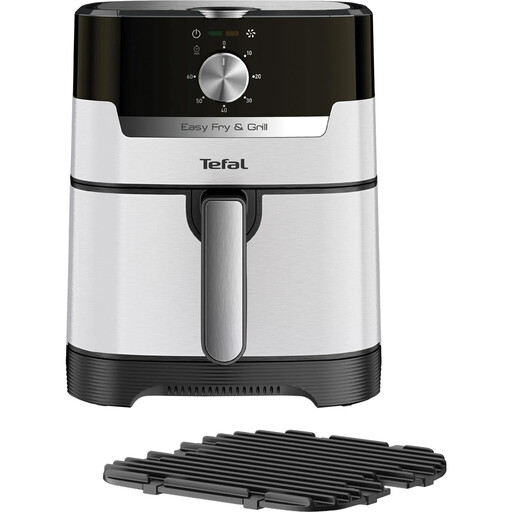 No image available
A possible alternative if the poppy seed rolls fit on the usable basket surface with enough space between them.
4.2 l; 1.500 W; temperature range 80–200 °C; external dimensions 324 × 270 × 361 mm.
 No image available
For anyone considering a compact mini oven; check the appliance dimensions against the clearances in the instructions.
10 l; temperature range 100–230 °C; upper and lower heating elements; external dimensions 37 × 26,5 × 21 cm.
 No image available
For anyone who wants to choose between different heating modes when baking; check the suitable tray size separately.
28 l; top heat, bottom heat or combined operation; three adjustable shelf levels.
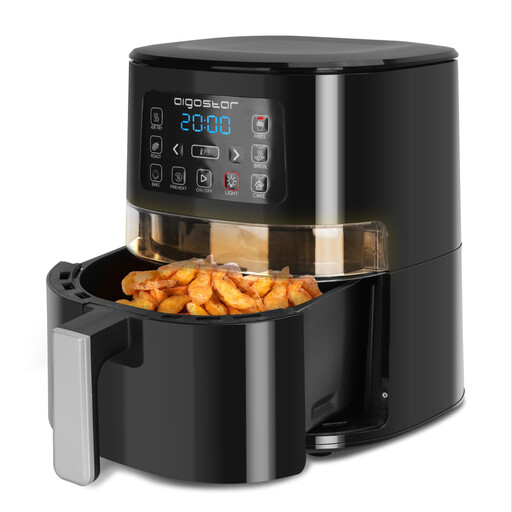 No image available
A possible baking alternative if the rolls can sit with enough space between them on the usable surface.
4 l; 1.600 W; seven programmes; external dimensions 265 × 350 × 317 mm.
Follow the recipe you’re using. Dr. Oetker’s recipe for poppy seed rolls made with quark and oil dough recommends around 180 °C with conventional heat or 160 °C with fan-assisted cooking, and a baking time of around 20 minutes. Other types of dough or appliances may need different settings.
Only if the chosen spot meets all the requirements in the instructions for that specific model. Rommelsbacher says the BG 1055/E needs 1 m of clearance above; the Severin TO 2052 instructions specify 30 cm. These clearances apply to the respective models and aren’t a general rule.
Follow the instructions for the specific model. For the TO 2052, Severin says to unplug the appliance and let it cool before cleaning; the appliance must not be immersed in liquid.
The comparisons mentioned don’t demonstrate any electricity savings for poppy seed rolls. Tefal’s comparison for the EY501D relates to frozen chips; energy consumption figures for built-in ovens relate to standard cycles. A meaningful comparison would need to use the same quantity of poppy seed rolls and comparable baking conditions.