
Lieferung heute & morgen

Qualitätsgarantie

Willkommens-Angebote freischalten: KOSTENLOSE Lieferung | Bis zu 80 % RABATT | Kostenlose 30-Tage-JoyPlus-Testphase
App herunterladen
You reach for a hot baking sheet, a moment of carelessness—and just like that, it happens. A burn in the kitchen is not only painful but also preventable. However, choosing the right oven gloves is often more difficult than you'd think. Many products promise more than they can deliver, leading to disappointment or even injury. As your Joybuy Product Recommendation Officer, I'll help you identify the typical pitfalls and make an informed decision.
Before we dive into the important features, let's look at the three most common problems that can lead to a bad buy:
To avoid these problems, you should focus on three key parameters. These determine whether a glove is a reliable tool or a safety hazard.
The material is the most critical factor for protection. The most common options have specific pros and cons:
The shape of the glove directly affects how safely you can work.
A non-slip surface is a key safety feature. Models with silicone applications or a textured palm prevent a heavy cast-iron pan or a glass casserole dish from slipping out of your hands. This is especially important when surfaces are slippery due to grease or condensation.
Based on these criteria, we have identified a few products that are a suitable solution for specific user profiles.
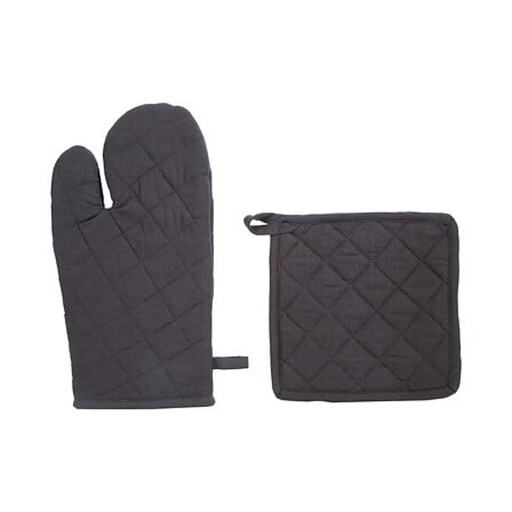
Why it's a good fit: This set is a pragmatic solution for everyday kitchen tasks, like taking out a cake or holding a pot lid. It provides basic protection for standard oven temperatures.
The set doesn't promise exaggerated heat protection for extreme temperatures. It is honestly positioned as a cotton set, thus avoiding the trap of false promises. The additional pot holder offers a second layer of protection when needed.
Practical set including a glove and a pot holder. Easy storage thanks to hanging loops.
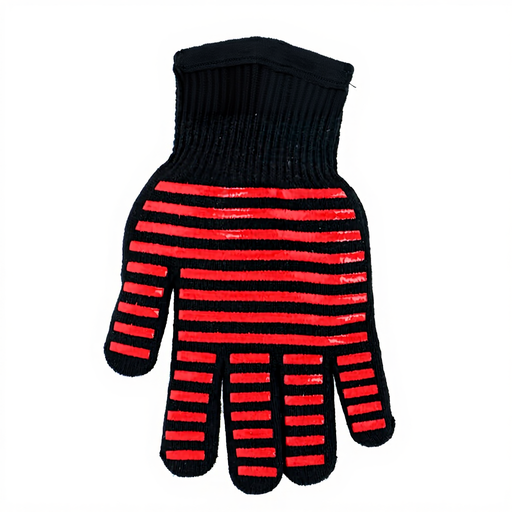
Why it's a good fit: This glove is specifically designed for the high temperatures encountered when grilling. It allows for safe handling of hot grates, grill accessories, and even glowing coals for a short time.
It directly addresses the pitfall of inadequate heat resistance with a manufacturer rating of up to 500°C (932°F). The non-slip silicone coating provides the necessary grip, avoiding the problem of poor handling.
Very high heat resistance according to the manufacturer. Flexible material and non-slip grip for safe work at the grill.
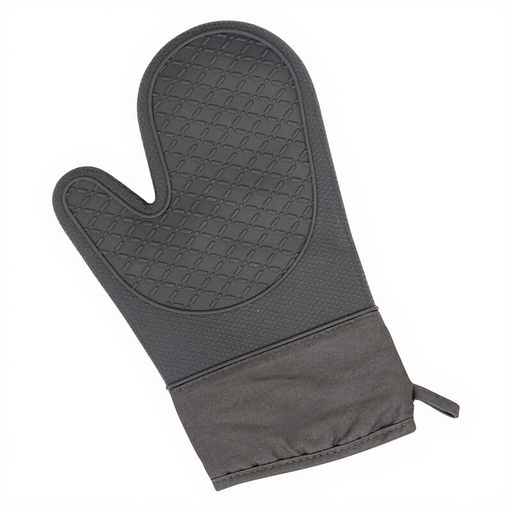
Why it's a good fit: This glove combines the advantages of different materials. It is ideal for home cooks who want a flexible, grippy, and heat-resistant solution for various tasks from baking to roasting.
The combination of flexible textile and integrated silicone pads resolves the conflict between protection and dexterity. It's not as bulky as a pure silicone mitt, yet it offers excellent grip thanks to the pads.
Hybrid design for comfort and a secure hold. Breathable textile with targeted silicone protection.
We've compiled a complete, up-to-date list of products that meet strict selection criteria and safety standards.
For normal use in a household oven, which typically reaches temperatures up to 250°C (482°F), a glove should offer certified protection up to at least this temperature. For grilling, especially with charcoal, grill gloves with a heat resistance of 350°C (662°F) or more are recommended to provide a sufficient safety margin.
Yes, most are washable, but the method depends on the material. Silicone oven gloves can be easily cleaned under hot water with dish soap or even in the dishwasher. Gloves made of textile or aramid fibres are usually machine washable. Always follow the manufacturer's care instructions to avoid compromising the protective function. It is important to let the gloves dry completely before their next use.
Although the terms are often used interchangeably, there are functional differences. Grill gloves or BBQ gloves are generally designed for higher temperatures (often over 300°C / 572°F) and frequently have a longer cuff to protect against the radiant heat of the grill. They are often made of aramid fibres. Classic oven mitts for the oven are usually designed for temperatures up to 250°C (482°F) and can be made of cotton, silicone, or a blend.