
Lieferung heute & morgen

Qualitätsgarantie

Willkommens-Angebote freischalten: KOSTENLOSE Lieferung | Bis zu 80 % RABATT | Kostenlose 30-Tage-JoyPlus-Testphase
App herunterladen
Choosing dinner plates involves an analysis of material properties, functionality, and intended use. The decision between a dinner plate, a deep plate, or a complete plate set depends on specific requirements for durability, maintenance, and aesthetics. This guide analyses the technical parameters of common materials to provide a solid foundation for an informed choice.
A plate's functional properties are primarily determined by its material. Each material offers specific advantages and disadvantages regarding weight, break resistance, thermal conductivity, and ease of care.
Ceramic and Stoneware: Ceramic plates and, in particular, stoneware plates are widely used. Stoneware is fired at high temperatures, resulting in a dense, robust structure. It is characterized by good heat retention, which keeps food warm for longer. The glaze protects the surface, typically making it dishwasher-safe and microwave-safe. However, its susceptibility to chipping from hard impacts is a factor to consider.
Stainless Steel: Stainless steel plates are known for their extreme durability and break resistance. They are virtually unbreakable, making them an ideal choice for outdoor use (camping plates), households with children, or commercial food service. High-quality stainless steel (e.g., Type 304) is rust-proof, corrosion-resistant, and flavor-neutral. A disadvantage is its high thermal conductivity, which causes the plate to heat up quickly with hot food. Some models are even designed for use on induction hobs or in the oven.
Wheat Straw Composites: This material typically consists of wheat straw fibers and a binding agent like polypropylene (PP). Plates made from this composite are lightweight, shatterproof, and often more biodegradable than pure plastic. They represent a more resource-efficient alternative and are often suitable for cleaning in the dishwasher and heating in the microwave. Their tactile feel and low weight make them particularly appealing for families and casual use.
The following products were selected for their specific material properties and functional design.
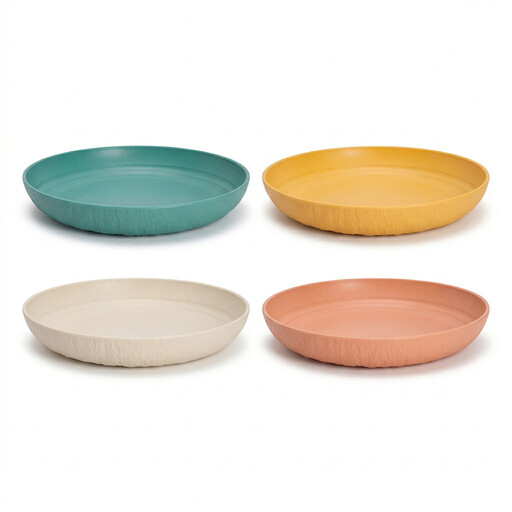
Why we're featuring this product: This plate set combines a functional, divided design with a material based on renewable resources. The wheat fiber and PP construction makes the plates lightweight and resilient.
Advantages:
Who it's for: Individuals and families looking for a practical and shatterproof solution for everyday use, especially for portion control or children's meals.
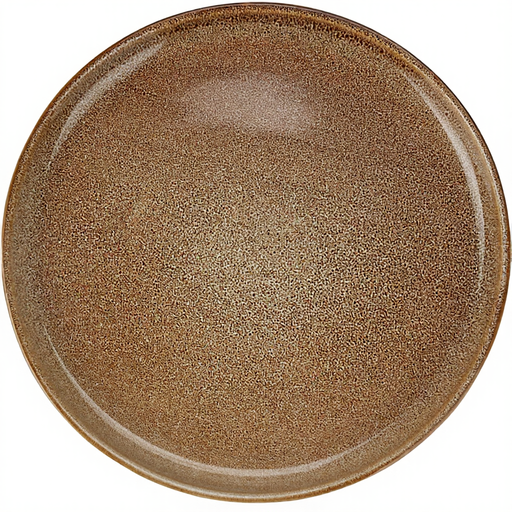
Why we're featuring this product: This dinner plate, made from high-quality stoneware (Gres), combines a robust construction with a subtle, textured aesthetic. With a 27 cm diameter, it offers a generous surface area for main courses.
Advantages:
Who it's for: Households seeking a durable and stylish plate for both daily use and special occasions, who value the classic properties of ceramic dinnerware.
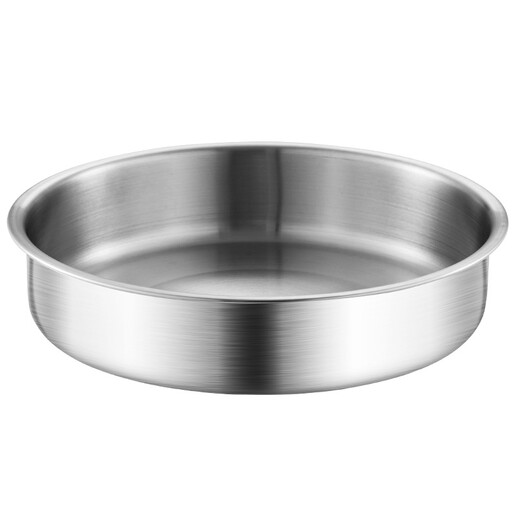
Why we're featuring this product: This model stands out for its 304 stainless steel construction and the resulting extreme durability. A standout feature is its manufacturer-stated compatibility with ovens, steamers, and induction hobs for directly heating food.
Advantages:
Who it's for: Users who prioritize maximum durability and functionality, such as for camping plates, in high-wear households, or for cooking applications that require direct heating of the plate.
If the featured individual models don't exactly meet your requirements, or if you're looking for a complete plate set, a broader selection often provides the right solution. Different sizes, shapes, and designs allow for a precise match to your needs.
You can find an expanded overview in our Dinnerware Plates category.
1. Which material for dinner plates is the most durable? In terms of break resistance, stainless steel is the most durable material. It is virtually unbreakable and withstands drops without damage. Densely fired stoneware is also very robust and resistant to chipping in everyday use, but it can break from hard impacts.
2. Are dinner plates made from wheat straw composite safe? Plates made from wheat straw composites typically consist of natural wheat fibers and a food-safe binding agent like PP (polypropylene). Products intended for the European market must comply with applicable EU regulations for food contact materials. They are considered safe with proper use.
3. What does the "dishwasher-safe" label on plates mean? The dishwasher-safe label means that the material and any glaze or decoration are designed to withstand repeated exposure to the high temperatures, water pressure, and chemical detergents in a standard household dishwasher without being damaged, fading, or degrading.