
Lieferung heute & morgen

Qualitätsgarantie

Willkommens-Angebote freischalten: KOSTENLOSE Lieferung | Bis zu 80 % RABATT | Kostenlose 30-Tage-JoyPlus-Testphase
App herunterladen
An oven-safe glass food container seems like the ideal solution for the modern kitchen: cook, store, reheat, and transport—all in one vessel. However, the selection process is fraught with pitfalls that can quickly turn a seemingly practical tool into a useless dust-collector. Many products fail to live up to their descriptions. Before you make a decision, it's crucial to understand the most common traps.
The three most common problems during selection are:
This guide will help you navigate these issues and make an informed decision that meets your needs for a durable and versatile oven-safe glass food container.
To avoid a bad purchase, you should carefully examine three core aspects. These determine whether a glass container with a lid is truly safe and practical for everyday use.
The most critical feature of an oven-safe food container is its material. Look for the specification borosilicate glass. Unlike conventional glass, borosilicate glass has a significantly higher resistance to thermal shock. This means it can withstand drastic temperature changes—like from the refrigerator to the microwave—without shattering. This property makes it the safe choice for use as a casserole dish with a lid or for reheating meals. A borosilicate glass food container is also durable, scratch-resistant, and does not absorb odours or stains.
A glass container is only as good as its lid. Two features are non-negotiable here: airtight and leak-proof. A high-quality lid will have a silicone gasket and a robust locking mechanism, often with four locking tabs. This ensures that liquids like soups or sauces won't spill during transport in a glass lunch box and that food stays fresh longer.
Another crucial point is the lid's material composition. It should be BPA-free to ensure no harmful chemicals leach into your food. Please note: The lid is typically not oven-safe and must be removed before heating.
Before buying, consider what you will primarily use the container for.
The versatility to use one container for baking, freezing, storing, and as a glass pantry container makes it an indispensable kitchen tool.
Instead of presenting an overwhelming list, we have matched products to typical user profiles.
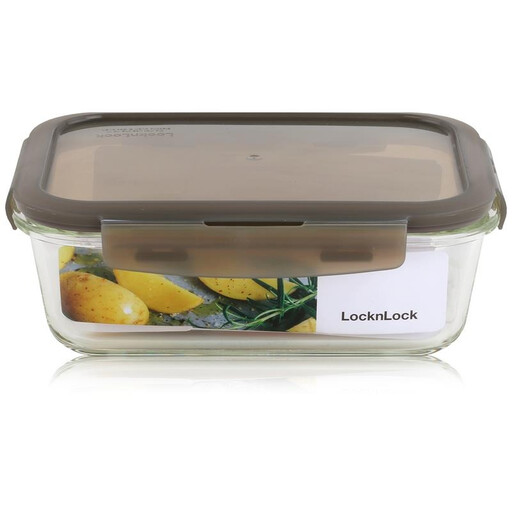
Why it's a great fit: At 630 ml, this container is the ideal size for a single lunch portion. It's compact, stackable, and thanks to its 4-sided locking system, it's completely reliable for transport to work or university. Perfect for anyone who loves to prep and pack their meals.
This model is made from genuine borosilicate glass, which is oven-safe up to 400°C (without the lid), according to the manufacturer. The patented locking system reliably prevents leaks—one of the most common failings of cheaper containers.
High heat resistance and a proven, leak-proof locking system make it a dependable companion for your on-the-go lifestyle.
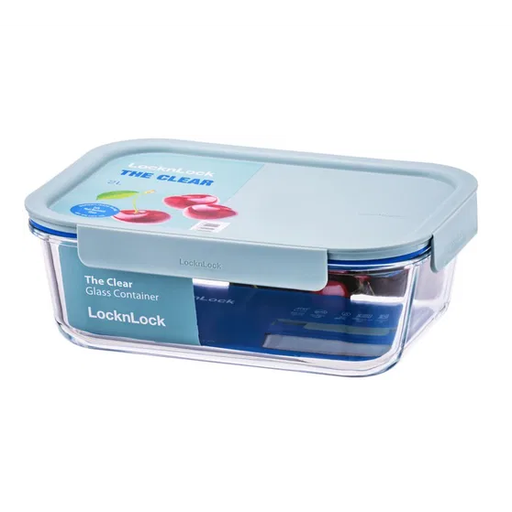
Why it's a great fit: With a 2-litre capacity, this container is perfect for lasagne, gratins, or large family-sized portions. It can go straight from the oven to the table, and then into the fridge with its lid—saving you time and washing up.
The product description clearly specifies that the container is made from heat-resistant glass and is suitable for the oven (with the lid removed). Its size is practical for cooking and baking, not just for storage.
Large capacity and versatility, from baking family meals to storing them.
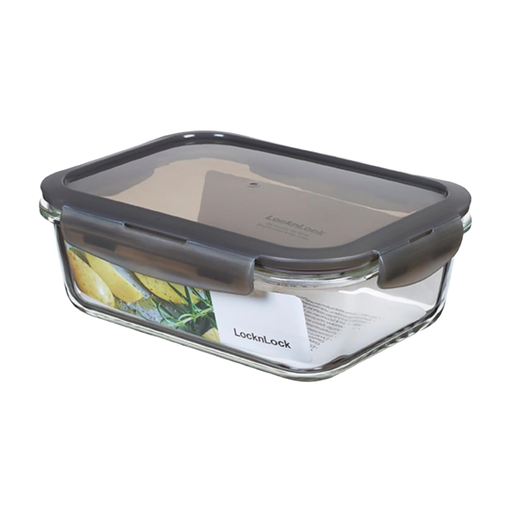
Why it's a great fit: The 1-litre size is a versatile all-rounder. It's large enough for dinner leftovers, a generous lunch, or storing pre-cut vegetables. A true workhorse for daily use.
This model combines durable borosilicate glass with the proven 4-sided locking system. It addresses both the risk of glass shattering from temperature changes and the annoyance of leaky lids.
A balanced combination of durable borosilicate glass quality, a versatile size, and a reliable, leak-proof seal.
We have compiled a complete, up-to-date list of products that fully meet these strict selection criteria and rigorous safety standards.
The term "heat-resistant glass" is generic. Borosilicate glass is a specific type of heat-resistant glass that contains boron trioxide. This chemical composition gives it a very low coefficient of thermal expansion. In simple terms, it expands less when heated and contracts less when cooled, making it exceptionally resistant to sudden temperature changes (thermal shock) and minimising the risk of cracks or shattering.
No, in the vast majority of cases, it cannot. The lids are typically made of plastic (such as polypropylene or Tritan) and are not designed to withstand the high temperatures of an oven. They would warp or melt. Always remove the lid before placing the glass container in the oven or, to be safe, in most microwaves.
To avoid thermal shock and subsequent shattering, you should avoid extreme and sudden temperature changes. Never place a hot container directly onto a cold or wet surface, or into cold water. Likewise, a container taken from the freezer should not be placed directly into a preheated oven. Instead, allow it to come to room temperature first.