
Lieferung heute & morgen

Qualitätsgarantie

Willkommens-Angebote freischalten: KOSTENLOSE Lieferung | Bis zu 80 % RABATT | Kostenlose 30-Tage-JoyPlus-Testphase
App herunterladen
A high-quality, oven-safe glass food container is a versatile tool in the modern kitchen. It serves as a casserole dish with a lid, a meal prep container, and a secure way to store leftovers. However, the market is filled with products whose marketing claims often don't hold up in practice. A leaky lid can ruin a meal on the go, and glass that's supposedly oven-safe but cracks with temperature changes is not only frustrating but also a safety hazard.
This guide highlights the crucial features you need to look for and helps you avoid the three most common purchasing pitfalls, ensuring you make a durable and functional choice.
To avoid these problems, you should base your decision on objective criteria. The following three parameters are crucial for the functionality and longevity of an oven-safe glass food container.
The key to true oven-safety lies in the material. Borosilicate glass is a prerequisite for safe use in the oven. Unlike normal glass, it has a very low coefficient of thermal expansion. This means it is resistant to thermal shock and can withstand sudden temperature changes. A glass food container declared as oven-safe should therefore always be made from this material. Look for temperature ratings like "heat-resistant up to 400°C".
A good lid is critical for everyday usability. Pay attention to the following features:
The shape of the container is relevant for an organised kitchen. Stackable designs save valuable space in the fridge or pantry. A slightly raised edge on the lid can prevent stacked containers from slipping. Whether you choose a round, square, or rectangular glass storage container depends on your available space and intended use.
Instead of making a one-size-fits-all recommendation, we have identified products that meet specific needs and avoid the pitfalls mentioned.
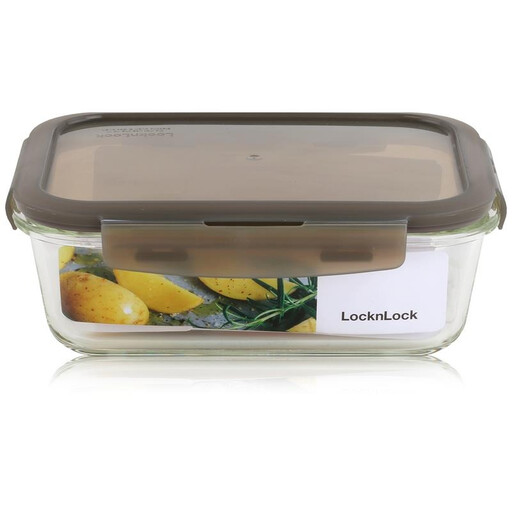
Why This Fits Their Persona: The 630 ml size is ideal for a single meal, prepped and taken to work. Its rectangular shape allows for efficient packing in a bag.
The container is made from borosilicate glass, which the manufacturer states is oven-safe up to 400°C. The four-sided locking clip system with a silicone seal ensures reliable, leak-proof performance.
Versatility: Suitable for the freezer (-20°C), microwave (without lid), and oven. The material is BPA-free.
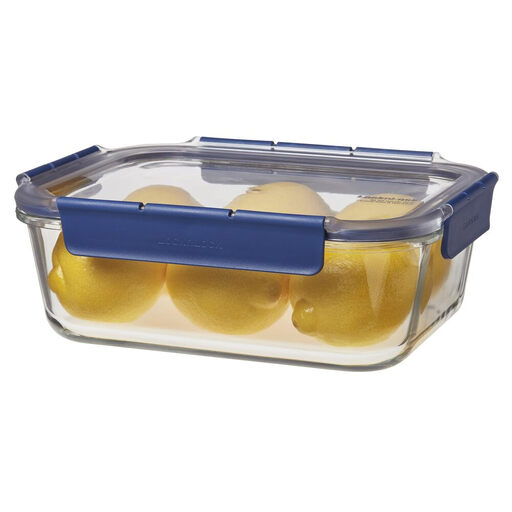
Why This Fits Their Persona: With a 2-litre capacity, this container is ideal as a casserole dish for the whole family. You can bake, serve, and store leftovers directly in the same container.
Despite its size, the container is made of oven-safe glass. The lid with locking clips seals securely, which is especially important for keeping food fresh in large containers.
Generous 2000 ml volume. According to the manufacturer, the material is BPA- and phthalate-free.
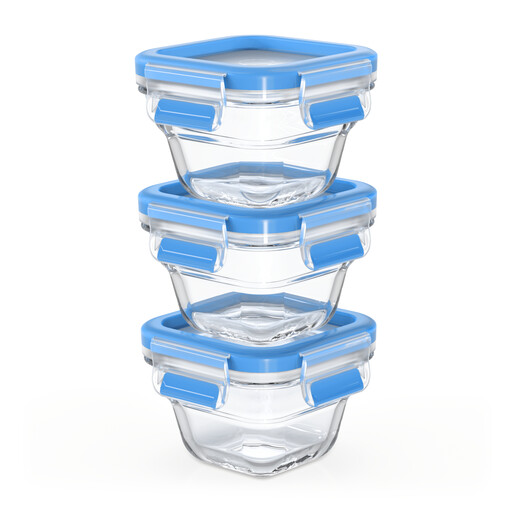
Why This Fits Their Persona: This set of three small containers (0.18 L each) is perfect for storing sauces, dressings, nuts, or small leftovers. Stackability is a key feature here for keeping the fridge organised.
The Emsa design features a reinforced rim and a special stacking edge that prevents identical containers from slipping. The glass is heat-resistant up to 420°C (without the lid).
Secure, non-slip stacking. Certified as the first baby food container, according to the manufacturer. German-engineered locking technology.
We have compiled a complete, real-time list of products that fully satisfy these strict selection criteria and UK safety regulations.
No, this should be strictly avoided. Even though borosilicate glass is highly resistant to thermal shock, most manufacturers advise against placing a frozen container directly into a hot oven. Allow the container to thaw for a few minutes at room temperature to minimise the risk of the glass breaking due to extreme temperature swings.
For a thorough cleaning, the silicone seal should be regularly removed from the lid. Wash the seal and the lid's groove by hand with warm water and mild soap, or in the dishwasher if approved by the manufacturer. Ensure all parts are completely dry before reinserting the seal to prevent mould and bacteria growth.
Generally, no. The lids are made of plastic (e.g., PP or Tritan) and are not suitable for use in the oven or under a broiler. They would melt or warp. Always remove the lid before placing the glass container in the oven. For microwave use, manufacturers often specify to place the lid on loosely or to open any vents. Always follow the manufacturer's specific instructions.