
Lieferung heute & morgen

Qualitätsgarantie

Willkommens-Angebote freischalten: KOSTENLOSE Lieferung | Bis zu 80 % RABATT | Kostenlose 30-Tage-JoyPlus-Testphase
App herunterladen
By Joybuy Product Recommendation Officer, August 28, 2026
A high-quality, oven-safe glass food container is more than just a storage box. It's a versatile tool for the modern kitchen: for cooking in the oven, storing in the fridge, freezing leftovers, and serving as a leak-proof lunch box on the go. But the market is flooded with products that often fail to live up to their promises. A poor choice isn't just frustrating; it can also be a safety hazard.
This guide will walk you through the critical features to look for and help you avoid the three most common purchasing pitfalls, ensuring your next investment is durable, safe, and genuinely practical.
Many consumers face disappointment because product features are advertised in a misleading way. Watch out for these typical problems:
A truly useful glass food container must excel across the board: from the oven and microwave to the dishwasher and freezer.
To avoid a bad purchase, you should carefully examine three technical specifications. These determine the container's safety, durability, and functionality.
The most important factor for an oven-safe glass food container is the material. There are two main types of glass:
Therefore, always look for the explicit mention of borosilicate glass in the product description.
A good glass container with a lid lives and dies by its locking mechanism. For a truly airtight glass container that also functions as a leak-proof glass lunch box, two components are crucial:
A multifunctional container must withstand extreme temperatures. Check the manufacturer's specifications for the following ranges:
Based on the criteria above, we have identified several products that are particularly well-suited for specific user profiles.

Why This Fits Their Persona: Ideal for anyone who prepares their meals for the week. The set includes five large (1040 ml) and five small (370 ml) containers, perfect for main courses and sides or snacks.
The containers are made of high-strength borosilicate glass, thus avoiding the risk of shattering with proper use. The snap-lock lids ensure a secure, tight seal.
A comprehensive 10-piece set with two practical sizes. It offers excellent value for money for anyone starting out with glass meal prep containers.
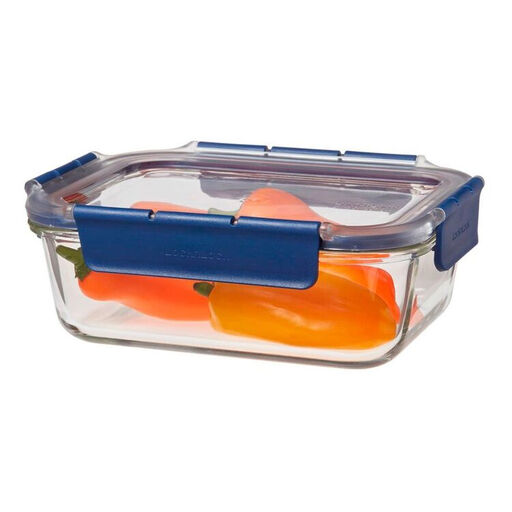
Why This Fits Their Persona: Perfect for those who value premium quality and aesthetics. Ideal for preparing a dish in the oven and serving it stylishly at the table in the same container.
According to the manufacturer, the borosilicate glass container is oven-safe up to 400°C. The patented 4-sided locking system with a silicone seal ensures it is completely leak-proof, avoiding the "leaky lid" trap.
Combines highly heat-resistant glass with a shatter-resistant, transparent Tritan lid. The raised edge of the lid also allows for stable stacking.
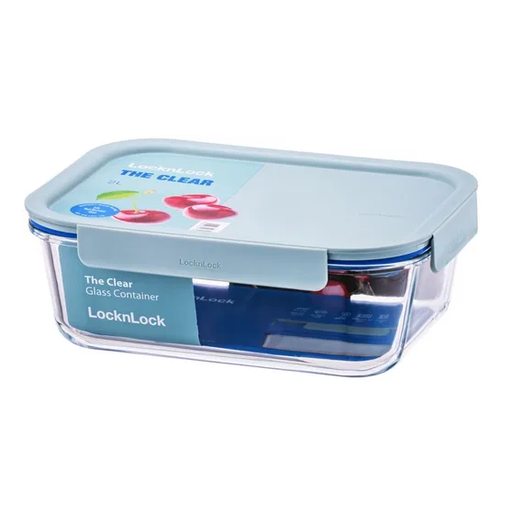
Why This Fits Their Persona: With a 2.0-litre capacity, this container is ideal for storing family-sized portions, large salads, or baking a casserole for several people.
This container is a true casserole dish with a lid. The heat-resistant glass allows for cooking large quantities, and the airtight lid with a silicone seal reliably keeps leftovers fresh.
Generous 2.0-litre capacity that meets the needs of families or bulk meal prep. Versatile use from the oven to the freezer.
We have compiled a complete, up-to-date list of products that fully meet these strict selection criteria and German safety regulations.
1. Can I put an oven-safe glass container directly from the freezer into the oven? No, this is not recommended. Even borosilicate glass has its limits. The extreme temperature jump from -20°C to over 200°C can cause thermal shock and damage the glass. Allow the container to thaw at room temperature before heating it in the oven, or warm it up gently in the microwave (without the lid).
2. How do I properly clean the lid's silicone seal? On many high-quality containers, the silicone seal can be removed from the lid. You should do this regularly to clean it separately with warm water and mild dish soap. This prevents the build-up of moisture, bacteria, or mould and stops unpleasant odours from developing. Let the seal dry completely before reinserting it.
3. Are the lids of glass containers always dishwasher- and microwave-safe? Not always. It is essential to read the manufacturer's instructions. While the glass container itself is usually dishwasher-safe, this is not true for all lids. Lids made of wood or certain plastics, in particular, can warp at high temperatures. For microwave use, lids should always be removed or at least placed loosely on top to allow steam to escape. Lids with metal components must never be put in the microwave.