
Lieferung heute & morgen

Qualitätsgarantie

Willkommens-Angebote freischalten: KOSTENLOSE Lieferung | Bis zu 80 % RABATT | Kostenlose 30-Tage-JoyPlus-Testphase
App herunterladen
Finding the perfect glass food container that can go from the freezer straight into the oven seems straightforward. Yet, the market is filled with promises that often fall short in practice. Many users encounter problems like cracked glass or leaky lids, which complicate daily life instead of simplifying it. This guide will help you identify the crucial features and make an informed choice, focusing on durability and functionality.
Before you invest, you should be aware of the typical flaws that often only become apparent after a few weeks of use.
To avoid the problems mentioned above, you should focus on three technical specifications. These define the quality and versatility of your future food storage containers.
The decisive factor for oven-readiness is the material. Specifically look for borosilicate glass. Unlike ordinary soda-lime glass, it has a very low thermal expansion coefficient.
A leak-proof glass container with a lid depends on two components: the seal and the lock.
Look for clear manufacturer specifications regarding suitability for various appliances. Reliable products list the exact temperature ranges.
Here are some recommendations tailored to specific needs that meet the quality criteria mentioned above.
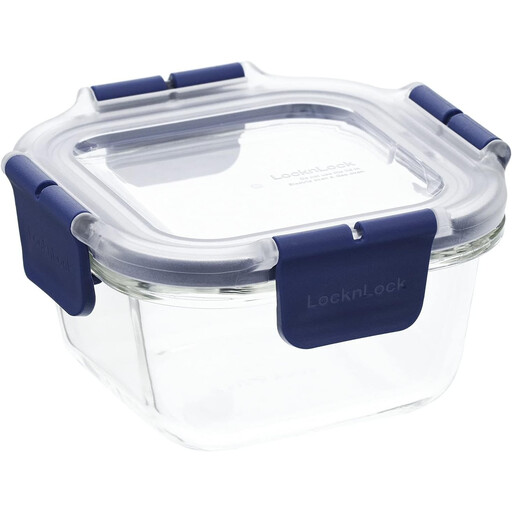
Why This Fits Their Persona: Ideal for those starting with meal prep who need a reliable, straightforward solution. The 750 ml size is perfect for a single meal, and the square shape saves space in the fridge and bag.
According to the manufacturer, the container is made of borosilicate glass, which minimises the risk of thermal shock. The snap-lock lid with a silicone seal ensures leak-proof transport.
A functional all-rounder: BPA-free, freezer-, microwave- (without lid), and dishwasher-safe. A solid product for daily use with no unnecessary frills.
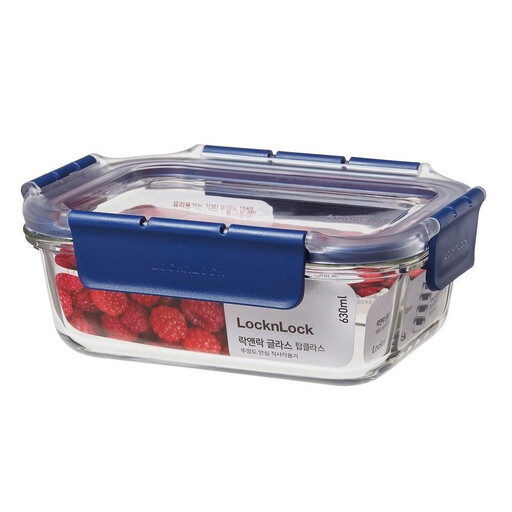
Why This Fits Their Persona: For users who value the highest material quality and thoughtful details. This container is not only oven-safe but also suitable for the air fryer, according to the manufacturer, which underscores its versatility.
It addresses all the pitfalls: The glass is heat-resistant up to 400°C. The lid is made of high-quality, BPA-free Tritan and features a four-sided locking system. The removable clip makes cleaning the seal easier.
Its suitability for the air fryer and the robust Tritan lid set this product apart. It is a durable investment for demanding kitchens.
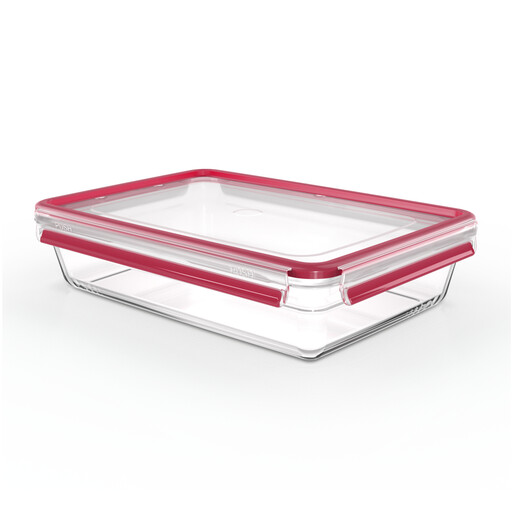
Why This Fits Their Persona: Perfect for preparing and storing large quantities. With a 3-litre capacity, this container is ideal as a casserole dish, for marinating, or for storing family-sized portions. Its stackability is a major plus for keeping the fridge organised.
Emsa uses robust glass that is oven-safe up to 420°C, according to the manufacturer. The proven Clip & Close system with its special seal ensures reliable leak-proofing, which is crucial, especially with large volumes.
The large 3-litre volume, combined with its functionality as a casserole dish and storage container, makes this product extremely versatile. The reinforced rim allows for non-slip stacking of same-sized containers.
We've compiled a complete, up-to-date list of products that fully meet these strict selection criteria and safety standards.
1. Can the lids of oven-safe glass containers go in the oven? No, as a rule, they cannot. The lids are made of plastic (e.g., PP, Tritan) and silicone. These materials are not designed for the high temperatures of an oven and would melt or deform. Always remove the lid before placing the glass container in the oven. For the microwave, lids should also be removed or at least placed loosely on top.
2. What is "thermal shock" in glass containers and how can I avoid it? Thermal shock occurs when glass is exposed to a sudden, extreme temperature change, such as placing an ice-cold container into a hot oven. This creates stress in the material that can cause it to shatter. To avoid this, let a container from the freezer or refrigerator sit at room temperature for a few minutes before heating it. Never place hot glass containers directly onto cold or wet surfaces.
3. Are glass food containers really better than plastic ones? Both materials have their merits. Glass has the advantage of being completely odourless and flavour-neutral, it doesn't stain (e.g., from tomato sauce), and it is extremely durable with proper handling. It is also the top choice for use in the oven. Plastic containers are lighter and more shatter-resistant, making them practical for transport or for children. For versatile, long-lasting, and health-conscious storage, especially for cooking and heating, oven-safe glass is often the superior choice.