
Lieferung heute & morgen

Qualitätsgarantie

Willkommens-Angebote freischalten: KOSTENLOSE Lieferung | Bis zu 80 % RABATT | Kostenlose 30-Tage-JoyPlus-Testphase
App herunterladen
A multifunctional, oven-safe glass food container promises to significantly simplify your daily kitchen routine: cooking, storing, freezing, and reheating—all in one vessel. In practice, however, unclear product promises and hidden defects often lead to frustration and unnecessary expenses. Many containers can't withstand the heat, while lids warp or fail to seal properly over time.
As your Joybuy Product Recommendation Officer, I'm here to help you separate the wheat from the chaff. We'll highlight the three most common pitfalls to avoid when shopping and show you which objective criteria truly matter, ensuring your next oven-safe glass food container is a durable and worthwhile investment.
glass container with a lid advertised as airtight and leak-proof often proves unreliable after just a few wash cycles. The cause is usually a low-quality silicone gasket that becomes porous or a locking mechanism that loses its tension. The unpleasant result is soup or sauce spilled in your bag.To avoid the problems mentioned above, you should check three technical features before buying. These define the quality and versatility of your glass meal prep containers or glass pantry container set.
The decisive factor for oven-readiness is the type of glass. Look for the specification Borosilicate glass. This special glass is characterized by a low coefficient of thermal expansion.
casserole dish with a lid (without the lid in the oven). It is also freezer-safe and microwave-safe, making it a true all-rounder.A good lid is just as important as the glass container itself. Pay attention to the following details:
Beyond the basic functions, thoughtful design features facilitate daily use.
glass pantry container set with various sizes offers flexibility for different uses, from small snacks to large family-sized portions.Here are some recommendations based on the objective criteria above, tailored to different user profiles.
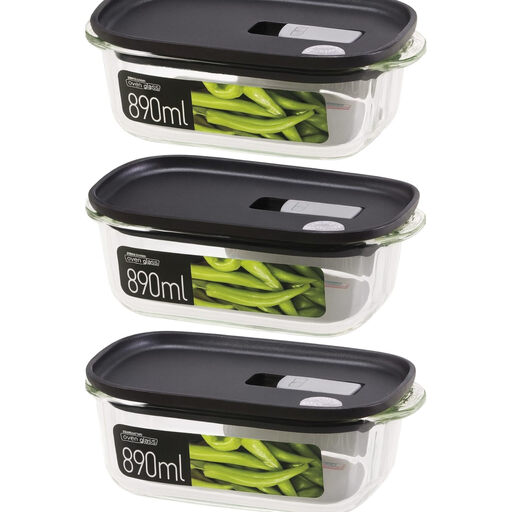
Why This Fits Their Persona: Ideal for those just starting with meal prep. The set provides three containers in a practical size for preparing lunches for several days.
The glass is oven-safe and the BPA-free polypropylene lid is airtight, avoiding the most common defects (glass breakage, leaks). The steam vent also prevents the lid from warping in the microwave.
The integrated steam vent in the lid is a practical detail for microwave reheating. The set format offers excellent value for beginners.
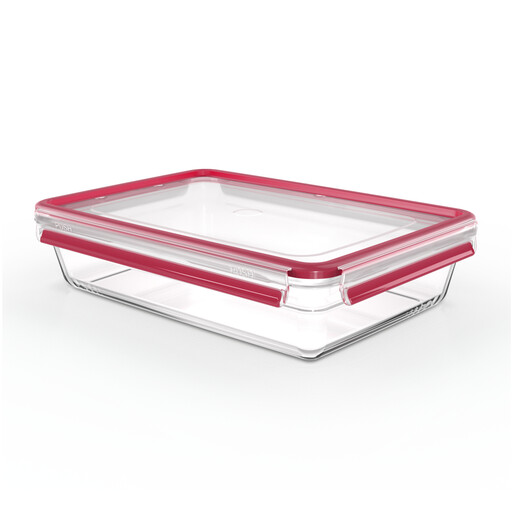
Why This Fits Their Persona: Perfect for cooking larger quantities, like lasagnas or gratins. The container doubles as a full-fledged baking dish and can be used directly for storing leftovers thanks to its lid.
Its high heat resistance up to 420°C (according to the manufacturer) and robust glass construction address the "oven-safe" trap. The permanently fused seal and German-engineered locking mechanism ensure reliable leak-proofing.
The large 3-litre capacity makes it a true multi-purpose solution. The reinforced rim allows for non-slip stacking of same-sized containers.
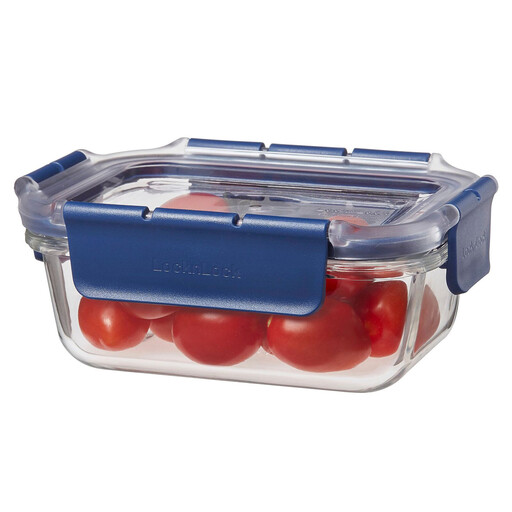
Why This Fits Their Persona: Ideal for storing smaller portions, dips, snacks, or side dishes. The design is focused on maximum space-saving and organisation in the fridge.
The Tritan lid is stain- and odour-resistant, thus avoiding the low-quality plastic lid trap. The borosilicate glass ensures true oven safety up to 400°C (according to the manufacturer).
The 4.8 mm high rim on the lid allows for exceptionally stable stacking. The transparent Tritan lid is more durable and clearer than standard plastic lids.
We've compiled a complete, up-to-date list of products that fully meet these strict selection criteria and safety standards.
No, this is not recommended. Even borosilicate glass can break from extreme thermal shock (from -20°C to +200°C). Let the container thaw for a few minutes at room temperature before heating it in the oven, or defrost it in the refrigerator.
For a thorough and hygienic clean, the silicone gasket should be regularly removed from the lid. Wash the gasket and lid separately by hand or in the dishwasher. Let both parts dry completely before reinserting the gasket. This prevents mould growth and unpleasant odours.
As a rule, the lids are not oven-safe. They are made of plastic (e.g., PP or Tritan) and would melt or warp at high oven temperatures. The "oven-safe" claim always refers only to the glass container without the lid. Therefore, always remove the lid before placing the container in the oven or microwave (unless the lid has an open steam vent for microwave use).