
Lieferung heute & morgen

Qualitätsgarantie

Willkommens-Angebote freischalten: KOSTENLOSE Lieferung | Bis zu 80 % RABATT | Kostenlose 30-Tage-JoyPlus-Testphase
App herunterladen
An oven-safe glass food container is more than just a storage box. It's a versatile tool in the modern kitchen: for cooking, baking, storing, freezing, and reheating. But the market is flooded with products whose marketing claims often don't hold up in practice. Many buyers only discover after a few months that the lid leaks, the glass has cracked, or the container is simply impractical for daily use.
As your Joybuy Product Recommendation Officer, I'm here to help you navigate these pitfalls. This guide will show you the critical features to look for to find a durable and functional glass food container that truly meets your needs.
Before you invest, you should be aware of the typical flaws that can quickly turn a seemingly good deal into a bad buy.
To avoid the problems mentioned above, focus on the following technical features. These define the quality and longevity of your food container.
The deciding factor for a truly oven-safe glass dish is the material. Specifically look for borosilicate glass containers. Unlike conventional glass, borosilicate glass has a very low coefficient of thermal expansion.
A high-quality closure is essential. Keeping a glass storage canister airtight protects the contents from oxidation and moisture.
A good product should simplify kitchen life, not complicate it. Therefore, check its suitability for various appliances:
Here are some recommendations tailored to specific use cases that meet the quality criteria mentioned above.
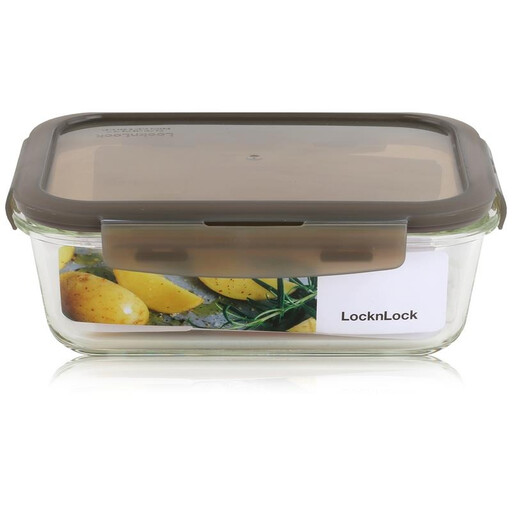
Why This Fits Their Persona: The 630 ml size is ideal for a single-serving meal to take to the office or university. Its rectangular shape fits easily into bags.
Made from genuine borosilicate glass, which is oven-safe up to 400°C according to the manufacturer, thus avoiding the shattering glass trap. The four-sided locking system reliably prevents leaks.
Combines heat resistance with a patented, completely leak-proof seal. The silicone gasket is removable for easy cleaning.
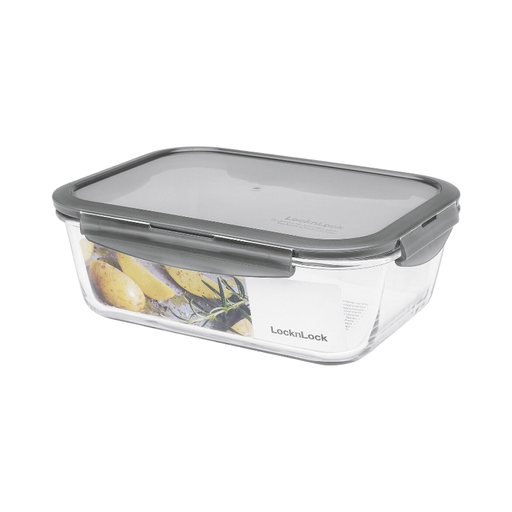
Why This Fits Their Persona: With a 2.0-litre capacity, this container is perfect for preparing family meals like lasagna or roasts, storing leftovers, or batch-cooking larger quantities.
The generous rectangular shape is ideal for standard ovens and uses fridge space efficiently, avoiding the impractical design trap. The heat-resistant glass is designed for baking.
Large volume for versatile applications, from baking to food storage. Serves as a casserole dish and storage container in one, reducing washing up.
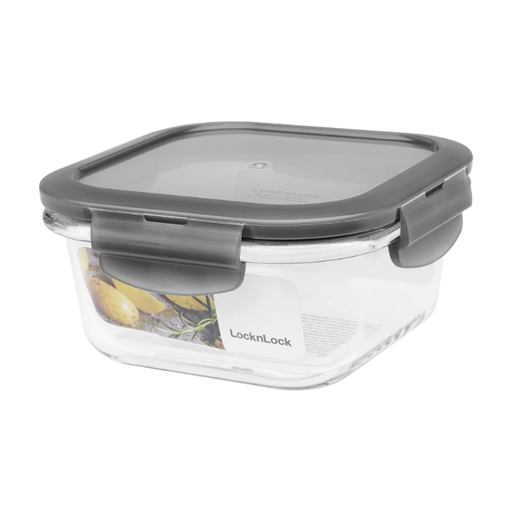
Why This Fits Their Persona: The square shape makes optimal use of storage space in cabinets and the refrigerator. Multiple containers of this type can be stacked perfectly and securely, ensuring maximum organization.
Directly addresses the impractical design trap. The stackable, square shape is a deliberate design choice for efficiency. The borosilicate glass ensures the necessary heat resistance.
Maximum space-saving thanks to its stackable, square design. Made from robust borosilicate glass that is oven-safe up to 400°C, according to the manufacturer.
We have compiled a complete, up-to-date list of products that fully meet these strict selection criteria and rigorous safety standards.
1. Can I put a hot glass food container directly into the refrigerator? No, you should avoid doing this. Even though borosilicate glass is highly resistant to thermal shock, an extreme and sudden temperature change (from over 150°C directly to 4°C) can create stress in the material and, in the worst case, cause it to break. Always let the hot container cool down to room temperature for a few minutes before placing it in the refrigerator or freezer.
2. How do I properly clean the silicone seal in the lid? For a thorough and hygienic clean, it is recommended to regularly remove the silicone seal from its groove in the lid. You can wash the ring separately by hand with warm water and soap, or in the top rack of the dishwasher. This prevents the build-up of mould or bacteria in hard-to-reach spaces. Let all parts dry completely before reassembling.
3. Is the lid of the food container also oven-safe? No, as a rule, the lids are not oven-safe. They are usually made of plastic (like polypropylene) and would melt or warp at high oven temperatures. Therefore, always remove the lid before placing the glass container in the oven or microwave. The lids are designed exclusively for storage in the refrigerator, freezer, or at room temperature.