
Lieferung heute & morgen

Qualitätsgarantie

Willkommens-Angebote freischalten: KOSTENLOSE Lieferung | Bis zu 80 % RABATT | Kostenlose 30-Tage-JoyPlus-Testphase
App herunterladen
By Joybuy Product Recommendation Officer, August 29, 2026
A high-quality, oven-safe glass food container is more than just a box. It's a versatile kitchen workhorse: for cooking, storing, freezing, and reheating. But the market is flooded with products whose marketing claims often fall short in practice. A leaky container in your bag or a glass dish shattering in the oven are frustrating and avoidable experiences. This guide will show you the critical features to look for to make an informed decision.
Before we get to the solutions, it's important to understand the typical problems that lead to frustration and unnecessary expense.
To avoid the pitfalls mentioned above, you should base your choice on objective criteria. The following three points are essential for long-lasting and safe use.
The deciding factor for oven-readiness is the material. Specifically look for borosilicate glass. Unlike conventional soda-lime glass, it has a very low coefficient of thermal expansion. This means it is extremely resistant to thermal shock. A glass casserole dish with a lid made from this material can safely go from the fridge to the oven (without the lid), making it ideal for preparing gratins or reheating meals. It is also odour- and taste-neutral, as well as stain-resistant.
A reliable locking mechanism is the heart of a good food storage container. Systems with four locking tabs have proven effective in practice. However, the gasket is critical:
A truly leak-proof food container is essential for transporting liquids and marinating food.
A good glass container with a lid should do more than just store. Check the manufacturer's specifications for the following properties to get the full benefit from your investment:
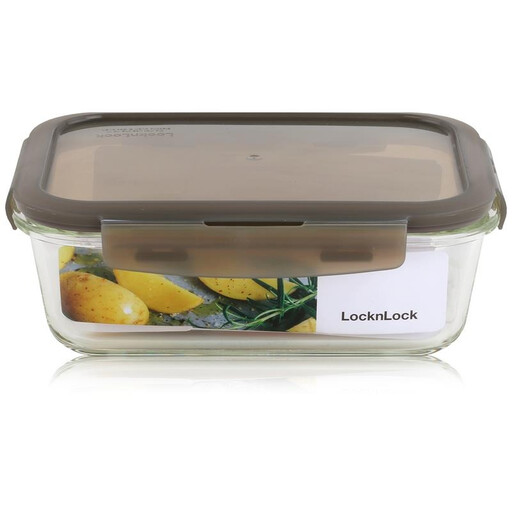
Why This Fits Their Persona: Perfect for daily meal prep and transporting lunch. The size is ideal for a single portion, and the seal is completely tight, even with liquids.
The heat-resistant borosilicate glass is suitable for the oven up to 400°C (without lid) and withstands thermal shock. The 4-sided locking system with a silicone gasket reliably prevents leaks.
A true all-rounder: oven-safe, freezer-safe, microwave-safe, and dishwasher-safe. The lid is BPA-free.
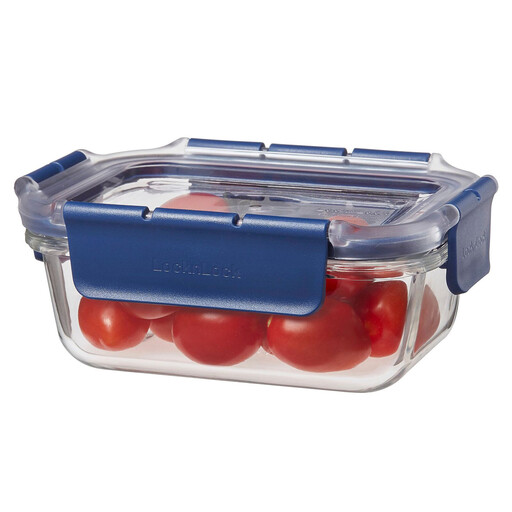
Why This Fits Their Persona: For users who prioritise the highest quality materials. The container can go directly from the oven to the table and looks elegant while doing so.
Addresses the weakness of inferior lids: The lid is made of Tritan, a durable, stain-resistant, and transparent material. The borosilicate glass body is designed for high temperatures.
The combination of borosilicate glass and a Tritan lid offers superior durability. The lid's rim is raised for stable stacking.
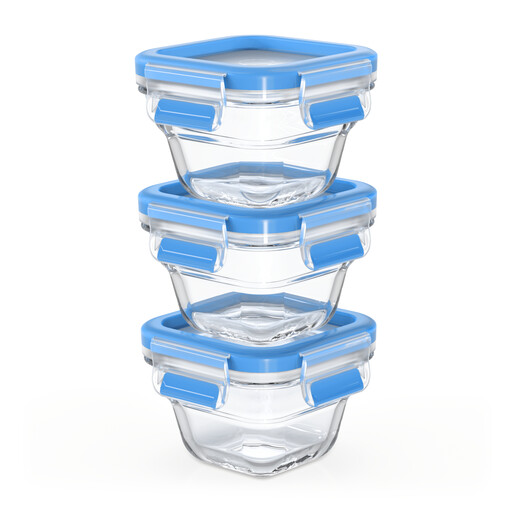
Why This Fits Their Persona: A practical starter set for smaller households or for organising dips, snacks, and small leftovers. The design is focused on maximum space-saving in the cupboard and fridge.
Solves the problem of messy and unstable stacking. The reinforced edge and special stacking rim ensure a non-slip, secure fit for containers of the same size.
This set offers a great entry point with proven sealing technology. According to the manufacturer, Emsa is the first certified producer of baby food containers.
We have compiled a complete, up-to-date list of products that fully meet these strict selection criteria and safety standards.
Can the lid go in the oven or microwave? No. As a rule, plastic lids, even if they are BPA-free, do not belong in the oven. When using in the microwave, the lid should always be removed or placed loosely on top to allow steam to escape. The high temperatures in an oven would damage the lid and the gasket.
What does "thermal shock" mean for glass containers? Thermal shock occurs when glass is exposed to rapid and extreme temperature changes. This creates stress in the material that can cause it to shatter. A typical example is placing a cold glass container into a hot oven. Due to its chemical composition, borosilicate glass is significantly more resistant to such shocks than regular glass.
How do you clean the lid's gasket hygienically? For optimal hygiene, the silicone gasket should be regularly removed from the lid. Clean both the gasket and the groove in the lid by hand with warm water and mild dish soap, or place both in the dishwasher (if declared dishwasher-safe by the manufacturer). Let all parts dry completely before reassembling the lid.