First, measure your casserole dish, including the handles, and check that it fits in the usable oven space with enough room to slide it in. A freestanding mini oven may be suitable if you don’t have a built-in space and the dish fits inside; a built-in oven offers a larger capacity, but you’ll need a suitable housing unit and connection. Capacity figures alone aren’t a substitute for checking the dimensions: for example, ROMMELSBACHER specifies a usable interior area of 34 × 28 cm for the BG 1805/E.
Who are the different types of oven suitable for?
Hosts with a large casserole dish
If you want to cook sausage casserole for everyone at once, compare the dish’s external dimensions, including the handles, with the usable interior area and shelf height. The capacity in litres alone won’t tell you whether a particular dish will fit. ROMMELSBACHER specifies a usable interior area of 34 × 28 cm for the BG 1805/E.
Those without a built-in space
A freestanding mini oven may be suitable if the dish and portions fit inside, and you can leave the clearances specified for that model at the chosen spot. Check the installation instructions for the appliance you’re considering.
Households that use the oven regularly
If you use your oven regularly for different dishes, compare the cooking functions you need, the cleaning features and the energy information, as well as whether your dish will fit. The German Environment Agency explains that the energy label includes details such as energy consumption per cycle and the cooking function tested.
What should you look for when buying?
For a sausage casserole to share at dinner, first check that the dish and the amount you plan to cook will fit at the same time. Then consider where the oven will go, its cooking functions and how much effort it will take to use regularly.
Freestanding mini oven
Suitable if: you don’t have a built-in space and the dish and quantity will fit in the usable oven space.
Things to consider: The dish size may be limited, and the space available and safety clearances must meet the requirements in the model’s instructions.
Built-in oven
Suitable if: you have a suitable housing unit and want a larger oven or use it regularly. Bosch lists a 66-litre capacity for the HBF133BR0, while Bauknecht lists 71 litres for the BBA285HU1I.
Things to consider: The housing dimensions and connection requirements for the specific model must be suitable for your kitchen.
Freestanding cooker with oven
Suitable if: you need a hob as well as an oven. The Beko example combines a 72-litre oven with four ceramic hob zones.
Things to consider: A cooker also includes a hob, and the oven’s energy rating doesn’t cover the energy use of the hob zones.
| What matters when buying |
What to look for |
Who is it most important to? |
| Dish and portions |
Compare the external dimensions, including handles, with the usable interior area and shelf height; capacity in litres doesn’t tell you whether a dish will fit. |
If I want to cook all the portions in one dish at once, I’ll check that it fits first. Around 31% of consumers prioritise dish size and portion quantity. |
| Space and installation |
For built-in appliances, check the housing dimensions and connection requirements; for freestanding appliances, check the space available and the clearances specified for the model. |
If I’m choosing between a built-in and freestanding appliance, my kitchen or available space needs to suit it. The right place to install the appliance is the top priority for around 25% of consumers. |
| Cooking functions |
Check the specific model for conventional top and bottom heat and, if needed, fan-assisted cooking. |
If I cook other oven dishes as well as casseroles, I want to be able to see clearly which cooking functions the model offers. Around 19% of consumers prioritise the right cooking functions. |
| Cleaning |
Check the cleaning system and removable parts for the exact model; if it has pyrolytic cleaning, consider the energy needed for the cleaning cycle. |
If I use the oven regularly, I want to know how to remove baked-on food and which cleaning function I’d actually use. Around 13% of consumers prioritise cleaning. |
| Energy consumption |
Compare consumption figures per standard cycle only when they use the same cooking function and a comparable basis. |
If the oven is used often, I want to understand the energy figures in the context of how I use it, rather than assuming the efficiency rating alone tells me what it will cost. Around 12% of consumers prioritise running energy costs. |
Avoid common buying mistakes
-
Assuming the oven capacity means your dish will fit
An oven may seem to have enough capacity but still lack the usable interior space for a wide dish.
Measure the outside of the dish, including the handles, and check the shelf height and whether there’s enough room to take it out. For the ROMMELSBACHER BG 1805/E, the manufacturer specifies a usable interior area of 34 × 28 cm. You may need a smaller dish or to split the casserole between dishes.
-
Choosing a mini oven without checking the clearances
Even a compact appliance needs a suitable place to stand. The required clearances depend on the specific model and its instructions.
Before buying, compare your chosen spot with the installation guidance in the manual. If you can’t leave the required clearances there, you’ll need to find another place for it.
-
Thinking pyrolytic cleaning is essential for casseroles
Pyrolytic cleaning is a cleaning function, not a requirement for cooking a casserole. It uses additional energy during the cleaning cycle.
Check that your dish fits and that the oven has the cooking functions you need first. Then choose the cleaning function based on how often you use the oven. German broadcaster NDR highlights the electricity used during pyrolytic cleaning.
-
Using the energy rating to compare costs directly
Energy consumption per standard cycle doesn’t automatically tell you how much electricity your recipe will use in ovens of different sizes.
For ovens with an energy label, compare consumption figures only when they’re based on the same cooking function and conditions. Don’t assume the rating alone tells you how much you’ll save when making sausage casserole.
Brands and suitable appliance ranges
ROMMELSBACHER
The BG 1805/E mini oven is an option if you don’t have a built-in space and a smaller casserole dish fits inside.
- The manufacturer lists a 42-litre capacity, conventional top and bottom heat, and fan-assisted cooking. ROMMELSBACHER specifies a usable interior area of 34 × 28 cm for casseroles.
- The casserole dish dimensions apply to this model and smaller quantities. Set it up in accordance with its operating instructions.
SEVERIN
The TO 2067 baking and toast oven may suit smaller dishes that fit inside.
- SEVERIN lists a 20-litre capacity for this model, with conventional top and bottom heat that can be switched on separately or together.
- The TO 2067’s technical specifications don’t list a fan-assisted function. Check your dish’s dimensions carefully against the specific appliance.
Bosch
The HBF133BR0 built-in oven is an example of a model with a larger oven, provided you have a suitable housing unit.
- Bosch lists a 66-litre capacity for this model, along with fan-assisted cooking and conventional top and bottom heat.
- Check the housing dimensions and connection details against your kitchen before installation.
Bauknecht
The BBA285HU1I built-in oven has a larger capacity and several shelf levels.
- Bauknecht lists a 71-litre capacity, three shelf levels and hydrolytic cleaning for this model.
- These specifications don’t guarantee that every casserole dish will fit, and they don’t automatically apply to other ovens from the brand.
Siemens
The HB572ABS3 built-in oven may be worth considering if you want specific cooking and cleaning functions as well as space for a casserole.
- Siemens lists 3D fan-assisted cooking, along with pyrolytic and hydrolytic cleaning, for this model.
- These extra functions don’t guarantee better results for a single sausage casserole. The dish still needs to fit, and the installation requirements still need to be met.
Joybuy products for casseroles and sharing a meal
The appliances below include built-in ovens and freestanding cookers for oven cooking. Before choosing, check that the type of appliance suits the space you have and that your dish will fit in the usable oven space.
 No image available
Bosch HBA571BB4 Series 2 built-in oven, 71 l
This built-in oven may suit you if you’re looking for a larger capacity and additional cooking and cleaning functions.
71 l capacity; 3D fan-assisted cooking; pyrolytic cleaning; check the housing dimensions and connection requirements before installation.
View at Joybuy
 No image available
Comfee built-in oven, 60 cm, 70 l, 3 kW
This built-in oven may be suitable if you’re looking for a 70-litre capacity and fan-assisted cooking for oven dishes.
70 l capacity; fan-assisted cooking; AquaClean steam cleaning; check the housing dimensions and connection requirements against your kitchen.
View at Joybuy
 No image available
Haier H6 ID23T3HTB built-in oven, 78 l
This built-in oven may suit a meal for several people if you’re looking for a larger capacity and a choice of cooking functions.
78 l capacity; 9 cooking functions; hydrolytic cleaning; allow for the housing dimensions, ventilation and electrical connection during installation.
View at Joybuy
 No image available
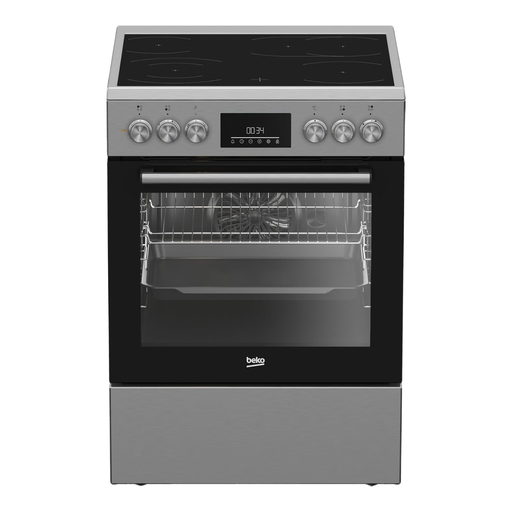
Beko FBM67320XS freestanding cooker, 60 cm, 72 l
This cooker may suit you if you need a hob as well as an oven.
72-litre oven; four ceramic hob zones; the appliance also includes a hob. The description specifies a 240-V connection and recommends professional installation.
View at Joybuy
 No image available
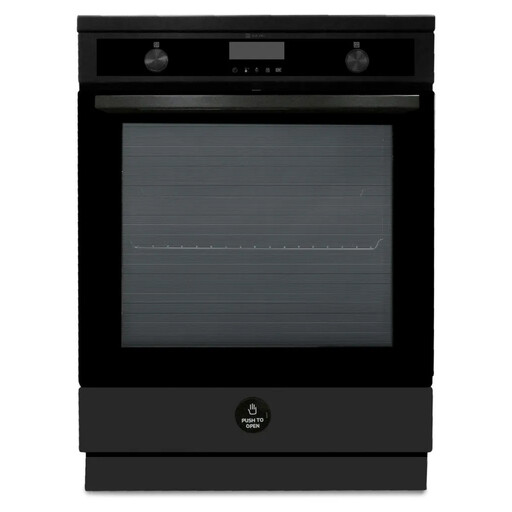
AEG CIB6499APB freestanding induction cooker, 73 l
This freestanding cooker may suit you if you need an induction hob as well as an oven.
73-litre oven with pyrolytic cleaning; four cooking zones. The hob requires compatible cookware, and the description recommends installation by a qualified electrician.
View at Joybuy
Frequently asked questions
How can I check whether my casserole dish will fit in a mini oven?
Measure the outside of the dish, including the handles, and compare it with the usable interior dimensions of the specific model. Also check the shelf height and whether there’s room to take the dish out. ROMMELSBACHER specifies a usable interior area of 34 × 28 cm for the BG 1805/E and recommends using a slightly smaller dish.
What should I consider when installing and connecting an oven?
For a mini oven, follow the clearance and installation instructions in its manual. The requirements for one model don’t automatically apply to another. For built-in appliances, the housing dimensions and connection requirements must be suitable for your kitchen.
How do I cook a casserole safely with raw sausage?
Keep raw meat ingredients separate from ready-to-eat food, then wash your hands and clean any utensils you’ve used. The German Federal Institute for Risk Assessment recommends cooking meat to at least 70 °C at the centre for two minutes. Setting the oven temperature alone doesn’t confirm that the centre has reached this temperature.
What does the energy label tell me about the cost of cooking my casserole?
The label on an oven that carries one shows energy consumption per standard cycle for the specified cooking functions; it doesn’t show how much electricity your particular recipe will use. For a cooker, the energy information applies to the oven, not the hob. To estimate your own costs, you’ll also need to take your usage and electricity tariff into account.


