What to look for when buying
First decide how many flatbreads you want to bake in one go. Then compare the actual cooking area and the space the oven will take up with the room you have in your kitchen. Temperature figures alone can’t predict how your recipe will turn out.
| What matters |
What to check when buying |
Who should pay particular attention |
| Flatbreads per batch |
Compare the size of your flatbreads with the usable tray area. Only plan to use multiple levels if the manufacturer specifies this for the particular model. Rommelsbacher gives the external dimensions of the original tray for the BG 1805/E as 38,5 × 31,5 cm; Bosch specifies hot air cooking on up to three levels for the HBA514BS3. |
If I’m preparing flatbreads for several lunch boxes, I want to know how many will fit on the usable area. Around 36 % of consumers are likely to see batch size as their main buying consideration. |
| Space to place it |
Allow for the oven’s external dimensions and the safety clearances given in the instructions. Steba gives the KB 27 U.2’s external dimensions as 43 × 35,5 cm and its internal dimensions as 30 × 31 cm, in each case width × depth; the Rommelsbacher BG 1805/E measures 54,5 × 43 cm externally. |
If worktop space is limited, I want to check in advance that the oven can be placed safely without its cooking area being too small for my flatbreads. Around 29 % of consumers are likely to put finding a suitable spot first. |
| Cooking style and heat |
Compare the temperature your recipe needs, the diameter of your flatbreads and the heating method with the model’s specifications. Rommelsbacher gives a temperature range of 80–230 °C for the BG 1805/E; Ooni markets the Volt 2 for pizzas up to 30 cm and temperatures of up to 450 °C. These figures don’t prove a particular cooking time or result for flatbreads. |
If a particular style of baking matters more to me than making a large batch, I want to check that the temperature and cooking area are suitable. Around 21 % of consumers are likely to prioritise a suitable high-heat cooking method. |
| Energy use and cleaning |
Only compare energy figures on a like-for-like basis: according to the Verbraucherzentrale, the energy label relates to standard cooking cycles and specific heating methods, not your recipe. Also check which parts can be removed for cleaning. |
If I bake regularly, I want to consider running costs and cleaning before choosing an appliance. Around 14 % of consumers are likely to see these ongoing costs and tasks as their main concern. |
Ovens available at Joybuy
This selection includes built-in and countertop ovens, as well as electric pizza ovens for flatbreads that fit on the respective cooking surface.
 No image available
Bosch Series 6 HBG578ES3 built-in oven, 60 cm, AirFry and 3D hot air
For a planned built-in installation; according to the product details, it should be installed by a qualified professional.
60 cm wide, AirFry, 3D hot air, pyrolytic cleaning; steel finish.
View at Joybuy
 No image available
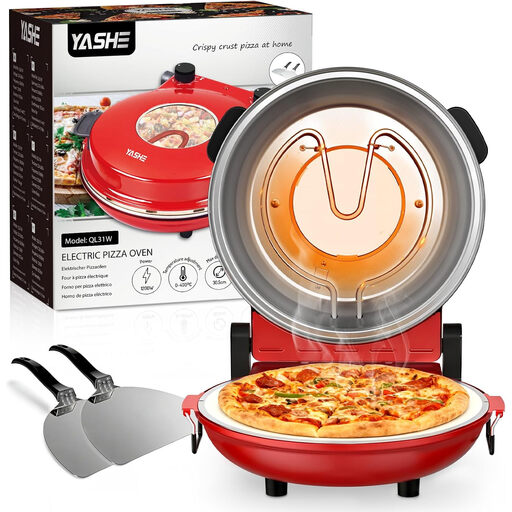
YASHE QL31W pizza oven, 1200 W, 30 cm ceramic stone
For individual flatbreads that fit the specified 30 cm stone.
1200 W, top and bottom heat, integrated timer and viewing window.
View at Joybuy
 No image available
WOLTU BF12sz mini oven, 32 l, 1600 W
A countertop oven for baking and grilling; check that your flatbreads fit on the usable cooking area.
32 l, 1600 W, temperature range of 100–250 °C, timer and crumb tray.
View at Joybuy
 No image available
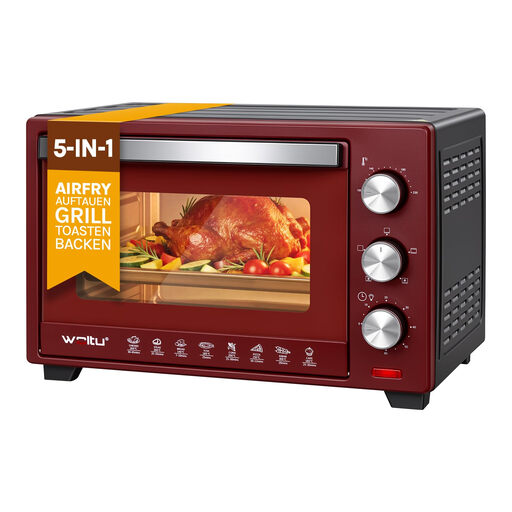
WOLTU mini convection oven, 28 l
A compact countertop oven option; check that your flatbreads fit on the cooking surface.
28 l, temperature control and timer.
View at Joybuy
 No image available
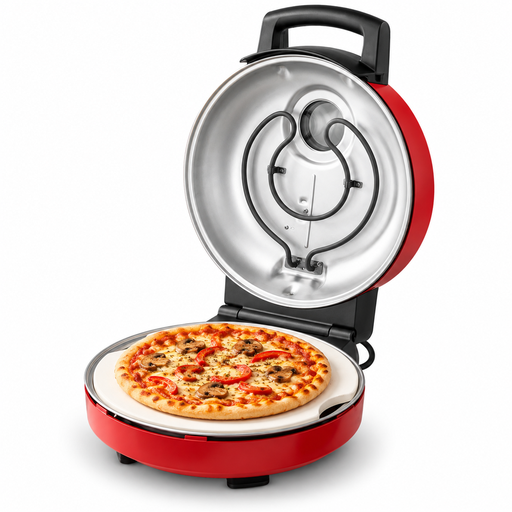
Electric pizza oven, 1500 W, 32 cm stone
For individual flatbreads that fit on the removable 32 cm pizza stone. The product details specify a covered spot for outdoor use.
1500 W, up to 400 °C, top and bottom heat, viewing window, adjustable thermostat and 30-minute timer.
View at Joybuy
Frequently asked questions
How do I make sure there’s a safe place for a countertop oven?
Measure more than just the oven’s exterior, and leave the clearances specified in the instructions for the particular model. Keep ventilation openings clear too. Rommelsbacher refers to the safety clearances in the instruction manual for the BG 1805/E; this information doesn’t apply to other models.
Can I pack filled flatbreads in the morning for lunch without keeping them chilled?
It depends on the filling and the conditions during transport. The German Federal Institute for Risk Assessment recommends keeping perishable foods as cold as possible until they are eaten. So if you’re using these types of fillings, plan suitable chilled transport.
What does the energy label tell me about the cost of baking?
For ovens with the relevant label, it gives information including electricity use per standard cooking cycle for specific heating methods. It doesn’t show the energy use for your flatbread recipe. The Verbraucherzentrale recommends comparing figures only on a like-for-like basis; wattage alone can’t tell you the energy cost per lunch.
What should I check for when it comes to the safety of an electric oven?
Products sold in the EU must comply with the relevant product safety requirements. The EU explains that the CE marking is the manufacturer’s declaration that the product meets the applicable EU requirements; it isn’t an independent quality mark. Check the details for the version being sold and follow the instructions.
Who should I contact if my oven is faulty?
For a consumer purchase in Germany, the seller is generally responsible for the statutory warranty. The Verbraucherzentrale gives a two-year period from the date the goods are handed over. A voluntary manufacturer’s guarantee is separate and is subject to its own terms and conditions.


