
Lieferung heute & morgen

Qualitätsgarantie

Willkommens-Angebote freischalten: KOSTENLOSE Lieferung | Bis zu 80 % RABATT | Kostenlose 30-Tage-JoyPlus-Testphase
App herunterladen
A good over-the-sink colander can significantly streamline your kitchen workflow. It frees up counter space, simplifies washing fruits and vegetables, and serves as a practical dish drying rack right over your sink. However, the market is flooded with models of widely varying quality. Many products fail to deliver on their promises, leading to frustration instead of greater efficiency.
As your Joybuy Product Recommendation Officer, I'm here to help you navigate the common pitfalls. This guide will show you the crucial features to look for to make an informed purchasing decision.
When choosing a colander for your sink, there are several recurring flaws that severely limit its everyday usefulness. By knowing what they are, you can specifically filter for durable and functional products.
To avoid the problems mentioned above, you should check three core aspects before buying. These parameters determine the longevity, safety, and functionality of your new kitchen helper.
The choice of material has a direct impact on the product's hygiene and lifespan.
Before you buy, be sure to measure the inner dimensions of your sink from edge to edge.
The design of the basket determines its versatility. Whether you want to wash fruits and vegetables, drain pasta, or dry dishes—the perforation is key.
Here are some recommendations tailored to different needs and kitchens, all of which meet the quality criteria mentioned above.
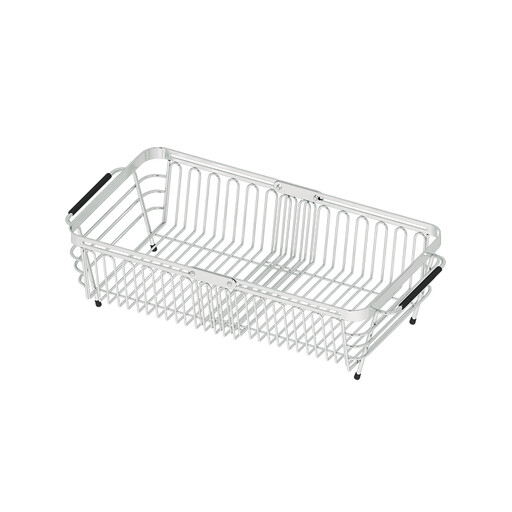
Why This Fits Their Persona: Ideal for users seeking a multifunctional, all-in-one solution for small kitchens. This model serves as a colander for washing vegetables, a pasta strainer, and a compact dish drying rack, freeing up valuable counter space.
The 304 stainless steel construction prevents rust. The sturdy, expandable frame (29-44 cm) ensures a secure fit on most sinks, avoiding the instability of cheaper models.
Large capacity and fine mesh for versatile use. The elevated base ensures excellent water drainage.
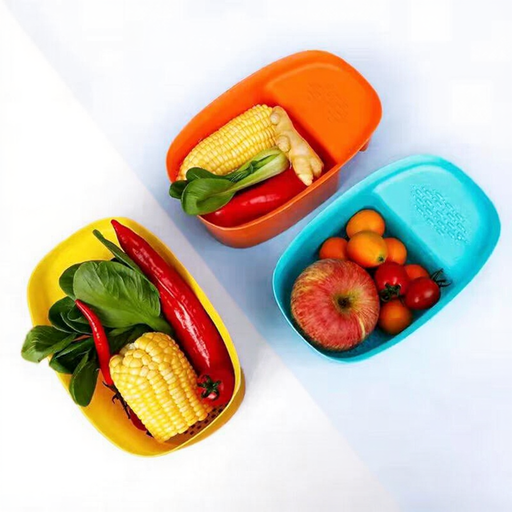
Why This Fits Their Persona: A simple and budget-friendly solution for basic tasks like washing lettuce or draining pasta. Perfect for students or as a secondary colander for quick, uncomplicated jobs.
This model bypasses the rust problem by using plastic. Its simple, fixed construction is sturdy and has no unstable, expandable parts that could fail.
Lightweight, easy to clean, and very handy thanks to its ergonomic handle. The perforation ensures good drainage for vegetables and pasta.
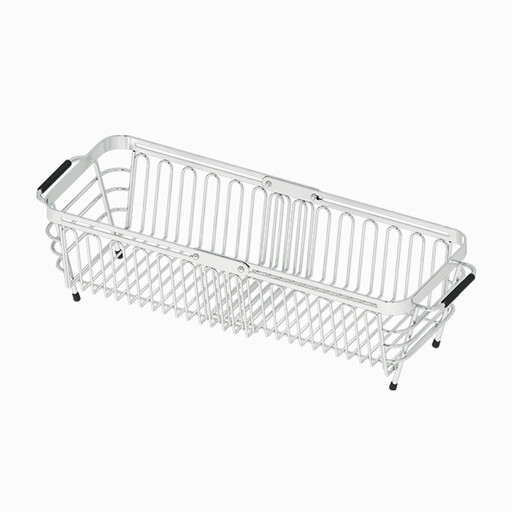
Why This Fits Their Persona: For cooks who value durability, hygiene, and precise function. This high-grade stainless steel model is an investment in a reliable tool that retains its shape and function even with frequent use.
The use of food-grade 304 stainless steel is a clear quality mark against rust. The fine mesh is precisely crafted and ensures optimal drainage without food getting stuck.
Compact yet robust design with an adjustable frame. The material is taste-neutral and easy to clean, which is crucial for food preparation.
We have compiled a complete, up-to-date list of products that fully meet these strict selection criteria and safety regulations.
1. How do I properly clean a stainless steel colander to prevent surface rust? Surface rust on stainless steel is usually caused by contact with rusting objects (e.g., old cutlery) or iron-rich water. Clean the colander after use with warm water and a mild dish soap. Then, dry it thoroughly instead of letting it air dry. For a deeper clean, it can usually be placed in the dishwasher, if specified by the manufacturer.
2. Will an expandable sink colander fit any sink? Not necessarily. Before buying, measure the shortest side of your sink from inner edge to inner edge. Compare this measurement with the adjustment range (minimum and maximum length) specified in the product description. Most expandable models cover a range of about 30 cm to 45 cm (approx. 12 to 18 inches), which fits most standard sinks.
3. Can I use an over-the-sink colander as a pasta strainer? Yes, most models are excellent for use as a pasta strainer. Models with fine mesh or small perforations are ideal as they prevent noodles like spaghetti from slipping through the openings. A colander placed directly over the sink is also safer, as it frees up both your hands to hold the hot pot.