Evening meal preppers
If you start cooking your stew after work, pressure cooking and sautéing are features worth considering. Remember to allow time for the appliance to build up and release pressure, too.


If you’re cooking in the evening and short on time, a multicooker with pressure-cooking and sauté functions could be a good choice. If you can allow more time for cooking, a slow-cooking and braising appliance is another option. Compare the usable capacity rather than just the stated capacity, and allow time and space for portioning, cooling and transporting your food chilled. Before buying, check the documentation for the specific appliance to find out which EU requirements apply and whether CE marking is required.
If you start cooking your stew after work, pressure cooking and sautéing are features worth considering. Remember to allow time for the appliance to build up and release pressure, too.
If you’re making several lunches at once, you’ll need to consider the pot capacity alongside the size of the bone-in pieces and the amount of liquid. You’ll also need space to cool and chill the portions.
If a longer cooking time fits your routine, consider appliances with slow-cook and braising programmes rather than assuming you need pressure cooking.
A good fit if: you have a shorter window in the evening and want to brown the oxtail in the appliance. Rommelsbacher lists two pressure settings for the MD 1000, while Tefal describes the CY7548 as a fast-cooking appliance.
The trade-off: pressure build-up and release count towards the total cooking time. You’ll also need to check the lid, valve and fill limits for the specific model.
A good fit if: you can allow more time for cooking and want room for a larger batch. SharkNinja lists an 8 L capacity and slow cooking, searing and braising functions for the PossibleCooker MC1001EU.
The trade-off: no pressure programme is listed for the MC1001EU. The stated capacity alone won’t tell you how many bone-in pieces and how much liquid will fit for your recipe.
| Priority | What to look for when buying | Who is it important to? |
|---|---|---|
| Cooking time in the evening | Check the total time, including browning, pressure build-up and pressure release, along with the functions of the specific model. | If I’m cooking after work, the total time until the stew is ready matters most to me. Around 33% of consumers prioritise cooking time within the evening window they have available. |
| Usable batch size | Compare the usable capacity and fill limits with the amount of meat, bones and liquid in your recipe. | If I’m preparing several lunches with bone-in pieces, I need room for the whole batch and then space to cool the portions. Around 27% of consumers prioritise batch size. |
| Longer braising | Check the slow-cook and braising programmes on the specific model instead of assuming they’re included just because it’s called a “multicooker”. | If a longer cooking time fits my routine, I don’t necessarily need a pressure programme. Around 20% of consumers prioritise the option to braise slowly. |
| Cleaning and wear parts | Check the cleaning instructions and make sure replacement seals match the full model reference. | If I batch-cook stew regularly, I want to know how to clean the appliance and exactly which seal fits. Around 20% of consumers place the greatest importance on ease of care and model-specific wear parts. |
Tefal lists the CY7548 as having a 5.0 L capacity and a usable volume of 3.2 L. Rommelsbacher lists a 6 L pot with a usable volume of 4 L for the MD 1000. These figures apply to these specific models and can’t be directly compared with other appliances.
Check that your recipe, including the bones and liquid, fits within the usable capacity and fill markings of the specific appliance.
The Ninja PossibleCooker MC1001EU is listed with slow-cooking and braising functions, while the Rommelsbacher and Tefal models mentioned include pressure-cooking functions. The term “multicooker” alone doesn’t mean these cooking methods are interchangeable.
Check the functions against the full model number and choose a cooking method that suits your routine.
The German Federal Institute for Risk Assessment (BfR) notes that large quantities of food cool more slowly. Chilled leftovers should be eaten within two to three days.
Divide the stew promptly between shallow containers and cool it to below 7 °C within a few hours. Plan for access to a fridge at work and transport the food in a cool bag. The BfR recommends these steps for pre-cooked food.
The MD 1000 MeinHans combines pressure cooking and slow cooking for smaller batches.
The Turbo Cuisine CY7548 is a pressure-cooking option with a stated usable capacity.
The PossibleCooker MC1001EU is a high-capacity alternative for braising and slow cooking.
The Duo documentation describes pressure cooking and slow cooking as separate processes within the product range.
The following Joybuy options include pressure cookers and appliances for slow braising. Before buying, check the documentation for the specific appliance to find out which EU requirements apply and whether CE marking is required.
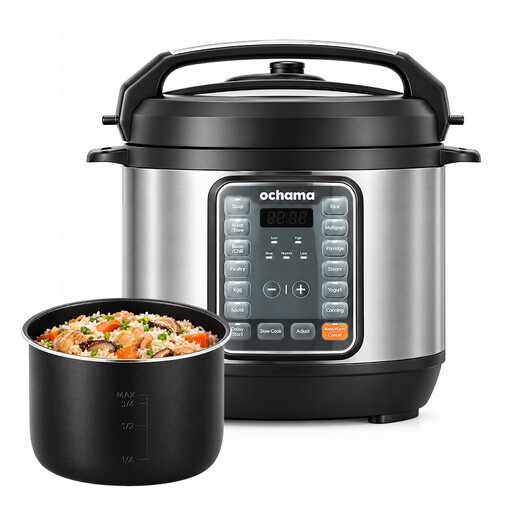 No image available
An option if you’re looking for pressure cooking and browning in one appliance.
The product name lists a 6 L capacity, 1000W, a ceramic non-stick coating, and slow-cook, sauté and keep-warm functions.
When pressure cooking, follow the fill markings and don’t open the lid until the pressure has been fully released.
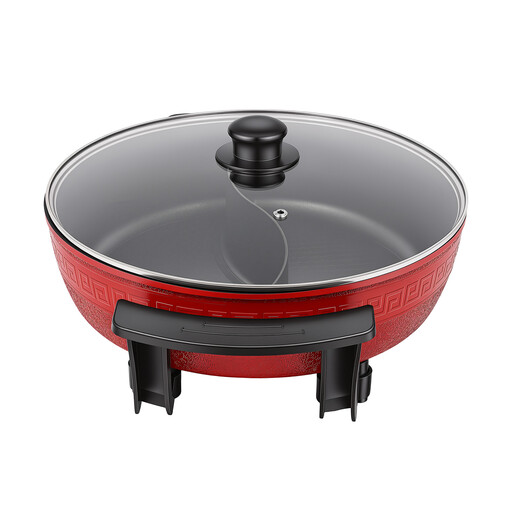 No image available
A cooking and braising option if you’re planning a larger batch.
The product name lists a 6 L capacity, 1360W, five heat settings, a non-stick pot and a glass lid.
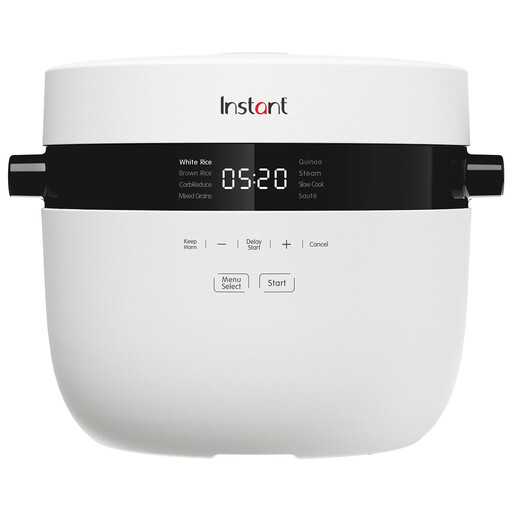 No image available
An option for longer braising and browning if you’re not looking for a pressure cooker.
The product name lists 5L (20 Cups), a non-stick pot, a stainless steel steaming rack, and slow-cook and sauté functions.
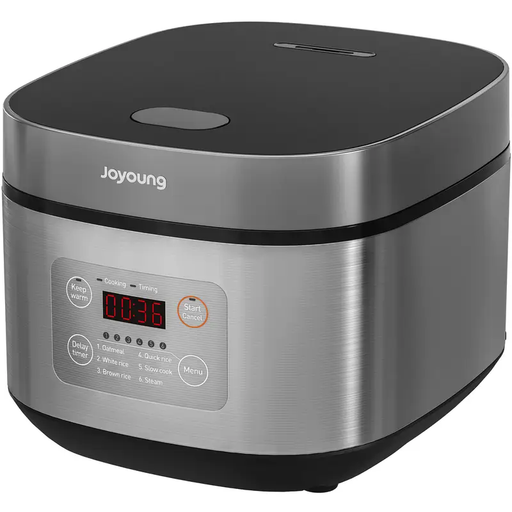 No image available
A possible choice if a longer cooking process and a rice cooker with a slow-cook programme suit your needs.
The product name lists 860W, 4L and a Smart Timer.
 No image available
A pressure-cooking option if you’d also like a sauté function.
The product name lists 5.7L, 1200W, as well as pressure cooking, slow cooking, steaming and sautéing.
When pressure cooking, follow the maximum fill marking and don’t open the lid until the pressure has been fully released.
You shouldn’t keep all the portions in the fridge for a whole working week: the German Federal Institute for Risk Assessment (BfR) recommends eating chilled leftovers within two to three days. Divide larger quantities between shallow containers and cool them to below 7 °C within a few hours. If you’re saving portions for later, plan to freeze them.
Check in advance whether you’ll have access to a fridge where you’re eating, and carry your portion in a cool bag. The German Federal Institute for Risk Assessment (BfR) recommends taking these precautions with prepared food; a keep-warm setting on your cooker is no substitute for keeping a packed portion chilled.
No, not while the appliance is under pressure. The Instant Pot Duo manual warns against forcing the lid open and requires the pressure to be fully released first. For other appliances, follow the instructions for the specific model.
It depends on the model. Tefal recommends replacing the ring SS-7222052388, listed for the CY754830, every two years or if it shows signs of wear. Check the full model reference before ordering a replacement part.
Check the documentation for the specific appliance to find out which EU requirements apply and whether CE marking is required. According to information from Your Europe, marking is only required for products covered by relevant EU legislation that expressly requires it; it isn’t an independent safety certificate.