
Lieferung heute & morgen

Qualitätsgarantie

Willkommens-Angebote freischalten: KOSTENLOSE Lieferung | Bis zu 80 % RABATT | Kostenlose 30-Tage-JoyPlus-Testphase
App herunterladen
Choosing the right pacifier can be a daunting task for parents. The market offers a vast array of shapes, materials, and designs, making the decision difficult. However, an unsuitable model may not only be rejected by your baby but can also lead to unnecessary expenses or skin irritation. This guide will help you understand the essential criteria and avoid common purchasing pitfalls.
As your Joybuy Product Recommendation Officer, I have compiled the most important information to help you make an informed decision for your child's well-being.
Before making a purchase, it's helpful to know the three most common pitfalls that often lead to the wrong choice.
To make the right choice, focus on three core parameters that are critical for safety and comfort.
The material of the teat is a central aspect. Most modern pacifiers are made of silicone or latex.
An orthodontic pacifier is designed to interfere as little as possible with the natural development of the jaw and teeth.
Some features and accessories make daily life significantly easier.
Here are some product recommendations tailored to the specific needs of parents and babies.
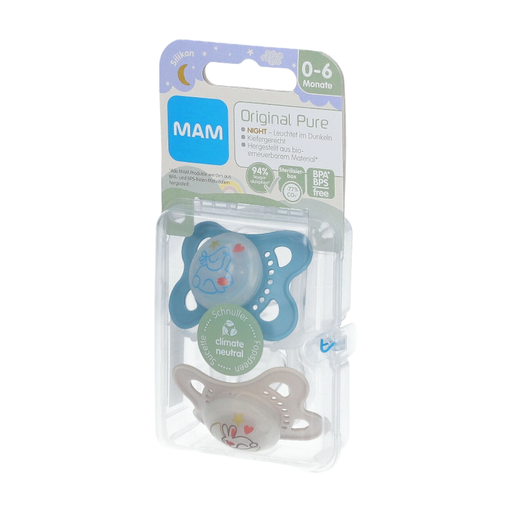
Why it's a great fit: Ideal for parents of newborns who don't want to search for the pacifier at night. The glow-in-the-dark button ensures more peaceful nights.
This model is specifically designed for the 0–6 months age group and was developed in collaboration with dentists. The included case provides hygienic storage and sterilisation.
The glow-in-the-dark pacifier effect and the soft SkinSoft silicone, which the manufacturer claims is accepted by 94% of babies, are clear benefits.
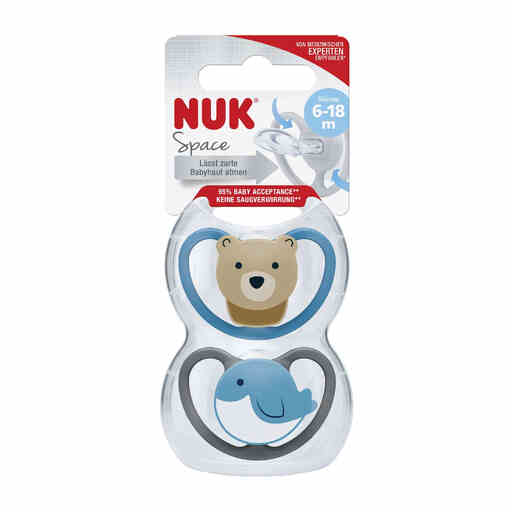
Why it's a great fit: Designed for babies whose skin is prone to irritation. The extra-large openings in the shield allow the skin to breathe and prevent redness.
This model specifically addresses the problem of skin irritation, an often-overlooked issue. The orthodontic NUK shape and the reusable box cover other important criteria.
The design with maximum air circulation is specially tailored to the needs of sensitive baby skin. According to the manufacturer, 98% of mothers confirm this effect.
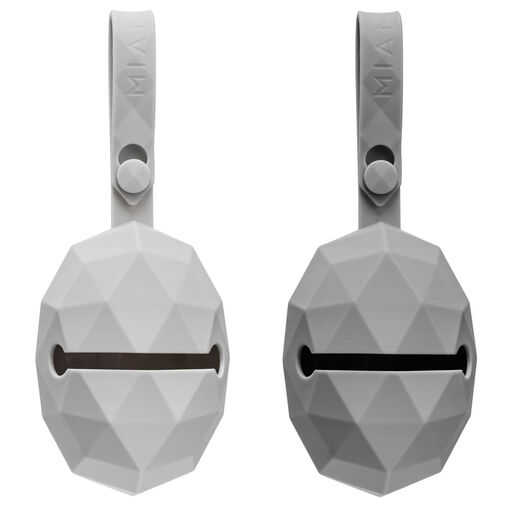
Why it's a great fit: A practical solution for parents who are often on the go and need clean storage for multiple pacifiers.
This accessory directly solves the problem of hygiene and losing pacifiers. It's a targeted investment in organisation and cleanliness in daily baby life.
The case, made of food-grade silicone, is dishwasher-safe, holds up to three pacifiers, and can be flexibly attached to a stroller with a practical loop.
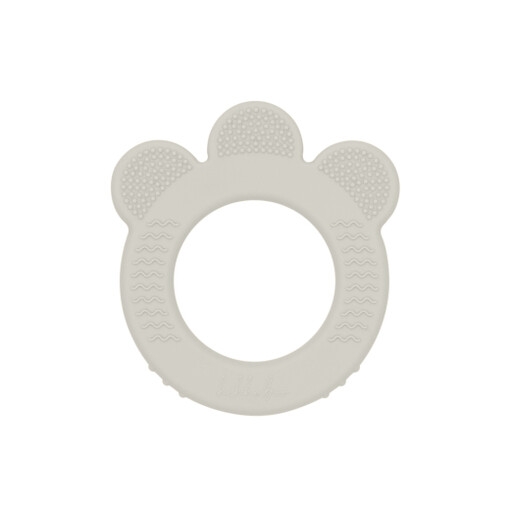
Why it's a great fit: When a baby starts teething (from around 3 months), a teether provides targeted relief for irritated gums where a normal pacifier is no longer sufficient.
This product addresses the specific need during teething. It complements the pacifier and prevents parents from trying to soothe teething pain with an unsuitable product.
The teether has three different surface textures to massage the gums and can be chilled in the refrigerator to enhance the soothing effect.
When your baby is teething, special products for relief are often helpful. We have put together a selection of products that meet strict selection criteria and safety regulations.
1. How often should you replace a pacifier? For hygiene and safety reasons, it is recommended to replace a pacifier every one to two months. Inspect the teat before each use by pulling on it in all directions. At the first sign of cracks, bite marks, or stickiness, the pacifier should be discarded immediately.
2. Can an orthodontic pacifier really prevent dental misalignment? An orthodontic pacifier is designed to minimise pressure on the jaw and teeth, thus reducing the risk of misalignment compared to conventional round teats. However, there is no guarantee. Most manufacturers, such as MAM, recommend weaning the child off the pacifier by their third birthday to support natural dental development.
3. How do you properly clean a pacifier and its case? Before the first use, the pacifier should be sterilised in boiling water for five minutes. For daily cleaning, you can boil it, use a steam steriliser, or use the included pacifier case, which often allows for sterilisation in the microwave. Follow the manufacturer's instructions. The case itself can usually be cleaned with warm water and mild soap or placed in the dishwasher.