
Lieferung heute & morgen

Qualitätsgarantie

Willkommens-Angebote freischalten: KOSTENLOSE Lieferung | Bis zu 80 % RABATT | Kostenlose 30-Tage-JoyPlus-Testphase
App herunterladen
Choosing a pacifier can quickly feel overwhelming for new and expecting parents. The market is vast, and every manufacturer claims to have the ideal solution for your baby's soothing needs. However, not all soothers are created equal. Certain design features or material weaknesses can prove impractical or even problematic for jaw development down the line.
As your Joybuy Product Recommendation Officer, I'm here to help you see past the marketing hype. In this guide, we'll focus on the facts and show you what truly matters when making a safe and suitable choice for your child.
Before we dive into the important features, let's highlight three common pitfalls that often lead to the wrong purchase:
To find the right pacifier, you should focus on three objective criteria. These form the basis for healthy development and easy handling in everyday life.
An orthodontic pacifier isn't just a marketing term; it describes a specific design. Look for the following features:
Most modern pacifiers are made of silicone. A silicone pacifier offers several advantages:
Regardless of the material, a BPA-free (Bisphenol A-free) label is an essential safety standard for any product that comes into contact with your baby's mouth.
Beyond the basic requirements, some thoughtful extras can make daily life easier:
Here are some product recommendations tailored to the different needs of parents.
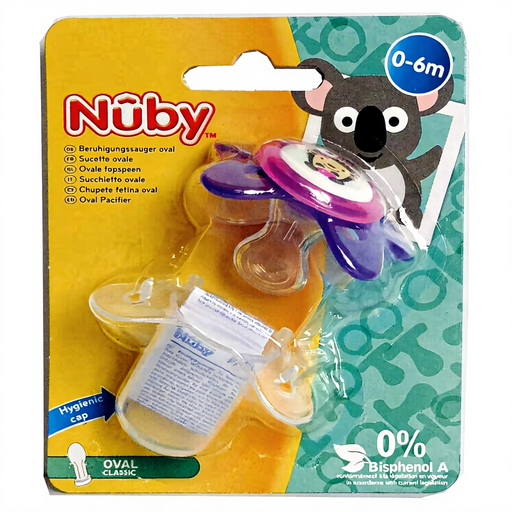
Why This Fits Their Persona: Ideal for parents seeking reliable, safe basics without paying for extra features. It meets all the fundamental requirements for a soother in the first few months.
This model focuses on the essentials. The shield's butterfly design isn't just for looks; it ensures maximum air circulation, avoiding the pitfall of impractical, skin-irritating shapes.
Excellent airflow to prevent skin irritation. Made from safe, BPA-free materials. Designed for newborns aged 0-6 months.
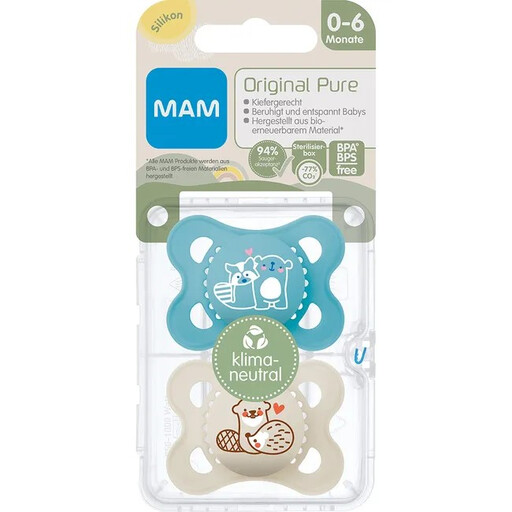
Why This Fits Their Persona: For parents who value science-backed product development, sustainability, and brand trust. The collaboration with dentists provides an extra layer of confidence.
This pacifier avoids the trap of vague promises by delivering concrete facts: it was developed with dentists, is made from bio-renewable material, and is, according to the manufacturer, the first climate-neutral MAM pacifier.
Orthodontic design with a thin, symmetrical teat neck. The MAM SkinSoft silicone is instinctively accepted by 94% of babies, according to the manufacturer. Includes a practical sterilising and travel case.
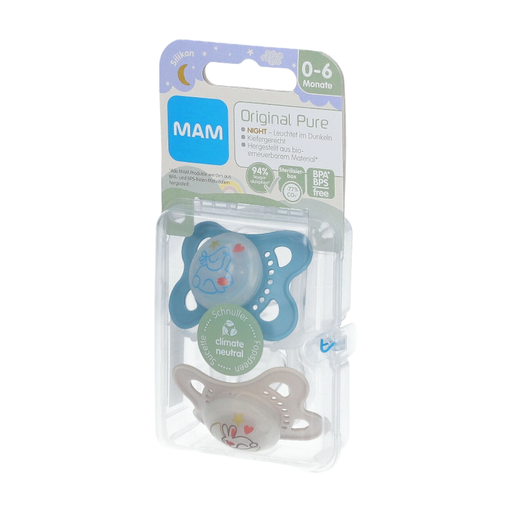
Why This Fits Their Persona: Perfect for parents tired of the nightly search for a lost pacifier. This feature solves a very specific and common problem, contributing to more peaceful nights for both parent and child.
The glow-in-the-dark feature isn't an overhyped gimmick but a clear, practical function. It offers real value without compromising on the fundamental requirements for safety and orthodontic design.
The pacifier button glows in the dark, making it easy to find. It combines this function with proven MAM features: an orthodontic shape, a skin-friendly shield, and high acceptance thanks to SkinSoft silicone.
We've compiled a complete, up-to-date list of products that fully meet these strict selection criteria and European safety regulations.
For hygiene and safety reasons, it's recommended to replace a pacifier every one to two months. Inspect it before each use for any cracks, holes, or sticky spots. At the first sign of wear and tear, the pacifier should be discarded immediately.
Before its first use, the pacifier should be sterilised in boiling water for five minutes. For daily cleaning, washing it with hot water and mild dish soap, followed by a thorough rinse, is sufficient. Many pacifiers come with a pacifier case that allows for quick and energy-efficient sterilisation in the microwave.
A teething ring becomes relevant when your baby shows clear signs of teething. This often manifests as increased drooling, fussiness, and an urge to chew on everything. While a soother primarily satisfies the sucking reflex, a teething aid is specifically designed to relieve gum pain through counter-pressure and, often, cooling. This is typically the case from around three to four months of age.