
Lieferung heute & morgen

Qualitätsgarantie

Willkommens-Angebote freischalten: KOSTENLOSE Lieferung | Bis zu 80 % RABATT | Kostenlose 30-Tage-JoyPlus-Testphase
App herunterladen
Choosing a pacifier might seem simple at first glance, but the sheer variety of shapes, materials, and marketing promises can quickly become overwhelming. Many parents discover after purchase that their chosen model is rejected, causes skin irritation, or doesn't optimally support jaw development. This guide will help you avoid common purchasing pitfalls and make an informed decision.
Before we dive into the important features, let's look at the typical traps that often lead to the wrong purchase.
To find the right pacifier, you should check three objective criteria. These will help you evaluate a model's functionality and safety, independent of advertising claims.
An orthodontic pacifier is designed to support the natural development of the jaw, palate, and teeth. Look for the following features, which are often recommended by dental professionals:
The choice of material affects durability, care, and the feel in the mouth.
Beyond the pacifier itself, useful accessories can make daily life easier. A pacifier clip prevents the pacifier from falling on the floor and getting dirty. Hygienic storage cases, which often double as microwave steriliser boxes, are also a practical addition. During the teething phase, a special teething ring is often the better alternative, as it is specifically designed to relieve pressure pain and serves as a teething aid for babies.
Instead of making a blanket recommendation, we have selected products tailored to specific needs and life stages.
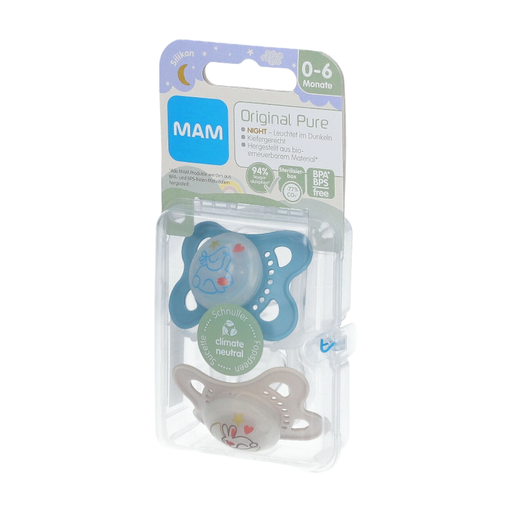
Why this model is a great fit: Developed specifically for the 0-6 month age group, this pacifier combines an orthodontic shape with practical features for parents. The glow-in-the-dark feature makes it easy to find in the dark without disturbing the baby.
The model is clearly sized for newborns, avoiding the "one-size-fits-all" trap. Large air holes and nubs on the inside of the shield actively prevent skin irritation.
The glow-in-the-dark pacifier button is a practical detail for nighttime. The included travel case also serves as a steriliser box for the microwave.
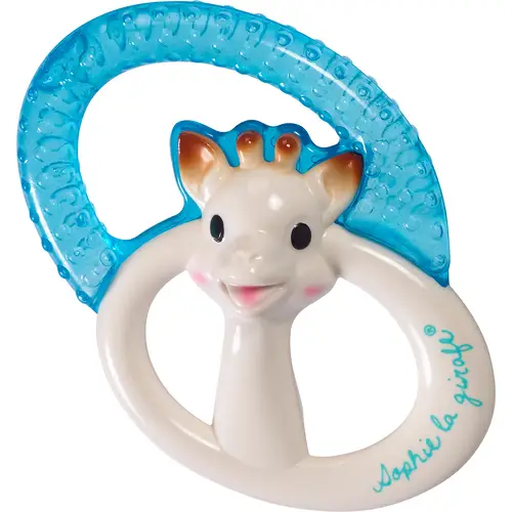
Why this model is a great fit: When gums are sore, a special teething ring is often more effective than a regular pacifier. This model, made of 100% natural rubber, is specifically designed as a teething aid for babies and can be chilled for extra relief.
Instead of giving an unsuitable pacifier to chew on, which can damage the material, this product offers a safe and purpose-built solution for teething pain.
The lightweight design is easy for small hands to grasp. The material is PVC-free and machine-washable, which simplifies hygienic cleaning.
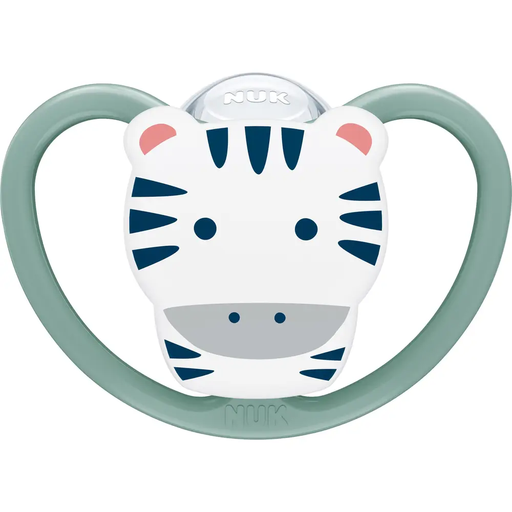
Why this model is a great fit: This NUK pacifier is designed for toddlers aged 18-36 months and features extra-large openings in the shield. This ensures maximum air circulation and is ideal for children prone to skin irritation.
The model specifically addresses the problem of skin irritation with a functional design and is age-specific to support jaw development in toddlers.
The orthodontic NUK shape with a thin and flat teat neck exerts minimal pressure on teeth and jaw. The reusable packaging box is practical for transport and hygiene.
Our selection includes not only pacifiers but also a wide range of teethers and other soothing aids that meet objective selection criteria and safety standards.
1. How often should a pacifier be replaced for hygienic reasons? Manufacturers generally recommend replacing a pacifier every one to two months. Inspect the teat before each use for any signs of cracks, holes, or stickiness. At the first sign of wear, the pacifier should be discarded immediately to avoid safety hazards.
2. Are glow-in-the-dark pacifiers safe for babies? Yes, for models from established brands like MAM or NUK, the luminous pigments are safely embedded in the material of the pacifier button and are harmless to babies. The material charges in daylight and emits a soft glow in the dark. No batteries or hazardous substances are used.
3. What is the difference between silicone and latex pacifiers? The main differences lie in the material. Silicone is a clear, synthetic material that is very heat-resistant, odourless, and flavourless. It is resilient but less bite-resistant than latex. Latex (natural rubber) is a brownish, natural material. It is softer and more elastic, which some babies prefer. However, it can have a slight rubbery taste and, in rare cases, trigger allergies.