
Lieferung heute & morgen

Qualitätsgarantie

Willkommens-Angebote freischalten: KOSTENLOSE Lieferung | Bis zu 80 % RABATT | Kostenlose 30-Tage-JoyPlus-Testphase
App herunterladen
As a Joybuy Product Recommendation Officer, I see countless well-intentioned but unsuitable products end up in shopping carts every day. Especially when it comes to choosing pacifiers and teethers for your little one, marketing promises often lead to frustration and unnecessary expense. This guide is designed to help you cut through the noise and make an informed decision, whether you're building your new baby essentials kit or looking for a practical newborn gift.
The selection is vast, and many products advertise features with questionable practical benefits. Watch out for these three common traps:
To avoid these pitfalls, focus on these three objective criteria. They form the basis for a safe and functional choice.
Your baby's safety is the top priority. All pacifiers sold in the EU must comply with the EN 1400 standard. This standard regulates tear resistance, material composition, and design features like the size of the ventilation holes in the shield.
The shape of the teat is crucial for acceptance and orthodontic compatibility.
When the first teeth start to emerge, a baby teether becomes an indispensable tool. The goal here is less about soothing and more about targeted relief.
Here are some products that represent a considered choice for different profiles, based on objective features.
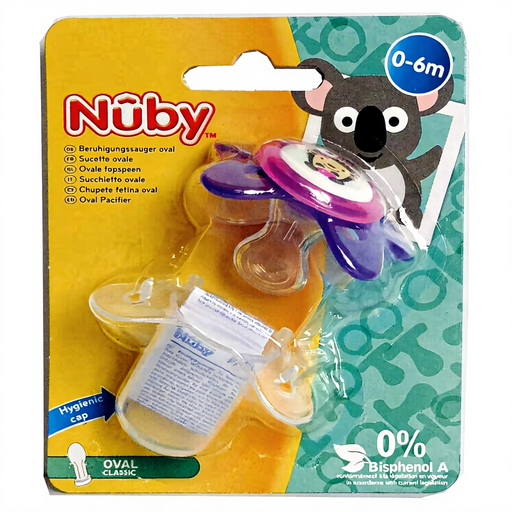
Why This Fits Their Persona: Ideal for parents seeking a reliable and safe basic kit without the high cost. This model focuses on core functions and is a solid choice for your new baby essentials.
It forgoes expensive extra features, focusing instead on a safe material (BPA-free silicone) and a design that prevents skin irritation through good air circulation.
The butterfly-shaped shield ensures maximum airflow to the skin. The material is food-grade silicone.
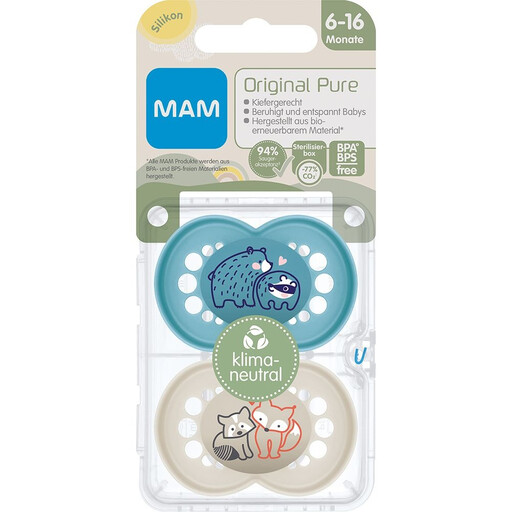
Why This Fits Their Persona: For parents who value sustainability, proven orthodontic development, and high acceptance rates. A well-designed product that goes beyond the basic requirements.
This MAM soother backs up its "orthodontic-friendly" claim with a design developed with dentists and a symmetrical shape. It is the brand's first climate-neutral pacifier.
Made from bio-renewable materials. The included travel case also functions as a steriliser for the microwave.
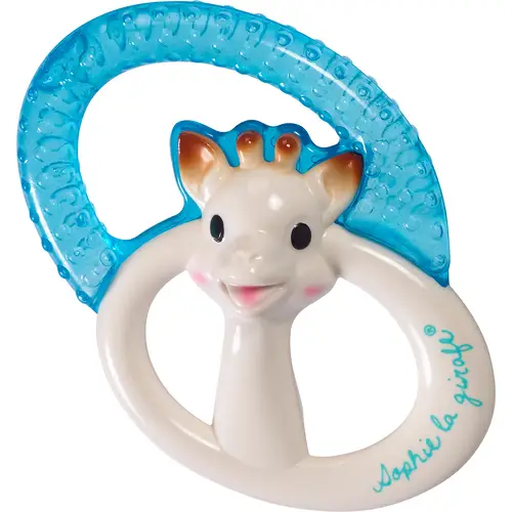
Why This Fits Their Persona: A targeted teething aid for babies from 3 months old. This product is not a pacifier but a specialised tool for relieving teething discomfort.
It avoids the "jack-of-all-trades" trap by focusing on a single task: soothing sore gums. The material is 100% natural rubber and PVC-free.
Can be chilled to enhance the soothing effect. The lightweight design is easy for small hands to grasp.
We have compiled a complete, up-to-date list of products that fully meet these strict selection criteria and European safety regulations.
For hygiene and safety reasons, it is recommended to replace pacifiers every 1 to 2 months. Before each use, inspect the material for any cracks, holes, or stickiness. Natural rubber products, in particular, can age more quickly and should be discarded immediately at the first signs of wear.
Before the first use, products should be sterilised in boiling water for 5 minutes. For daily cleaning, warm water with a mild dish soap is sufficient. Regular sterilisation is recommended, either by boiling, using a steam steriliser, or with a microwave-safe pacifier case, like those offered by brands such as MAM. Always follow the manufacturer's instructions, as not all materials (e.g., the natural rubber of Sophie la Girafe) are suitable for high temperatures.
A pacifier clip is practical for preventing the pacifier from falling on the floor. However, it should only be used under supervision. It is essential to ensure that the clip complies with the European standard EN 12586. This standard limits the length to eliminate any risk of strangulation. Never lengthen the clip, and do not attach it to loose ribbons or cords on clothing.