
Lieferung heute & morgen

Qualitätsgarantie

Willkommens-Angebote freischalten: KOSTENLOSE Lieferung | Bis zu 80 % RABATT | Kostenlose 30-Tage-JoyPlus-Testphase
App herunterladen
Choosing the right noodles is a critical factor in preparing authentic Pad Thai. The texture, sauce absorption, and cooking time are all significantly determined by the type of rice noodles for Pad Thai you use. This guide analyses the available options based on their technical specifications and practical applications to help you make an informed purchasing decision.
Your choice of product will depend on your specific needs regarding preparation time, shelf life, and the desired final texture. There are three main categories to consider: dried, fresh, and instant noodles.
Dried Rice Noodle Sticks: This is the most traditional and shelf-stable option. They typically consist of rice flour and water and must be soaked before cooking. The soaking time varies depending on the noodle width and water temperature. The result is a firm, chewy texture that absorbs sauce well without falling apart. They are the foundation for many authentic recipes.
Fresh Pad Thai Noodles: These noodles are pre-cooked and sold refrigerated. Their main advantages are a significantly reduced preparation time and a soft, supple consistency. They often only need to be briefly loosened in warm water before use. Due to their high water content, they have a limited shelf life and must be kept in the refrigerator.
Instant Pad Thai: This option offers maximum convenience. It's an all-in-one kit that includes dried noodle blocks along with all the necessary seasoning mixes and sauce powders. Preparation only requires adding hot water. The texture and flavour profile are standardised and designed for a quick and easy meal.
An analysis of the ingredient list reveals the product's quality. High-quality flat rice noodles consist primarily of rice flour and water. Additives like tapioca starch are often used to improve the noodles' elasticity and stability during cooking. This prevents them from breaking or becoming too soft. Pay attention to the percentages to gauge the rice content.
The width of the noodles, often referred to as "Chantaboon" or rice sticks, influences the mouthfeel and how the sauce clings to them.
Ultimately, the choice of width is a matter of personal preference.
Based on the criteria above, we present three products from different categories, each catering to specific use cases.
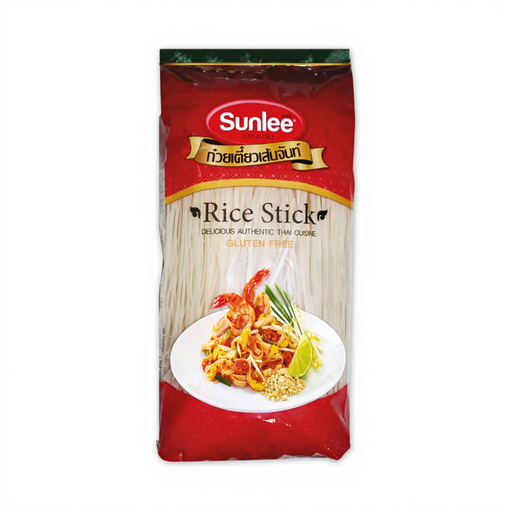
Why we recommend this product: These dried rice sticks from Sunlee provide the classic foundation for an authentic Pad Thai. The 3 mm width is versatile, and the curved shape helps ingredients and sauce combine well with the noodles. The use of high-quality raw materials aims for consistent cooking quality.
Advantages:
Who it's for: Home cooks who value an authentic cooking experience and traditional texture. Also suitable for those who like to keep a stock of pantry staples.

Why we recommend this product: These fresh Pad Thai noodles are pre-cooked and significantly reduce active preparation time. The composition of rice (75%) and modified tapioca starch is designed for a soft, elastic texture that absorbs sauce well without breaking.
Advantages:
Who it's for: Professionals and people with limited time who still want a freshly prepared Pad Thai. Ideal for quick weeknight dinners.
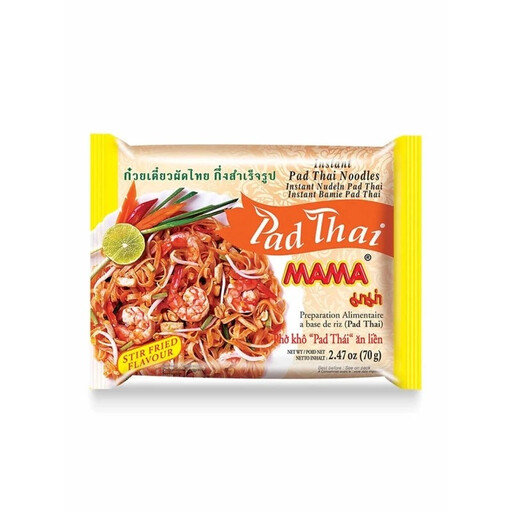
Why we recommend this product: This Instant Pad Thai from MAMA is an all-in-one solution. It combines specially prepared rice noodles with a balanced seasoning mix that replicates the characteristic flavour profile of Pad Thai. Preparation only requires boiling water.
Advantages:
Who it's for: Students, professionals on their lunch break, and anyone looking for an extremely fast and simple meal solution without having to buy Thai noodles and season them separately.
If the featured products don't exactly meet your requirements for package size, noodle width, or composition, a wider assortment offers more alternatives. You can find a comprehensive overview of different formats and brands in our Thai Rice Noodles category.
1. Do you have to soak Pad Thai noodles before cooking? Yes, dried rice noodles must be soaked. The usual process is to place the noodles in warm (not boiling) water for 30-60 minutes until they are pliable but still firm. They are then drained and finish cooking directly in the wok with the other ingredients. Fresh noodles do not require this step.
2. What is the ideal width for Pad Thai noodles? The most common widths for Pad Thai are 3 mm and 5 mm. A 3 mm noodle offers a delicate, balanced texture, while a 5 mm noodle has more bite and a larger surface area for sauce to cling to. The choice is a matter of personal preference, as both widths are well-suited for the dish.
3. Can you use other noodles for Pad Thai? Technically, yes, but the result will differ from the original. Pad Thai noodles are rice noodles, which are naturally gluten-free and develop a characteristic smooth and slightly sticky texture. Using wheat noodles (e.g., linguine) would significantly alter the mouthfeel and flavour profile. For an authentic result, flat rice noodles are the correct choice.