
Lieferung heute & morgen

Qualitätsgarantie

Willkommens-Angebote freischalten: KOSTENLOSE Lieferung | Bis zu 80 % RABATT | Kostenlose 30-Tage-JoyPlus-Testphase
App herunterladen
A good padlock protects what matters to you—whether it's your bike, your tool shed, or your locker at the gym. But the market is flooded with products that often fail to deliver on their promises. A lock advertised as "weatherproof" seizes up with rust after just one winter, and a security lock that looks solid can be defeated with simple tools.
As a Joybuy Product Recommendation Officer, I see every day which features truly count. In this guide, I'll show you the most common pitfalls and the critical parameters you need to look for to find a reliable and durable security solution.
Many buyers focus on superficial features and marketing buzzwords. This often leads to disappointment. Pay special attention to these three points:
To make an informed decision, you should focus on two core technical areas rather than relying on marketing claims.
The durability and break-in resistance of a padlock depend directly on the materials used.
The locking method should be tailored to your usage habits. Each system has specific advantages and disadvantages.
Here are some recommendations tailored to specific use cases that take the above criteria into account.
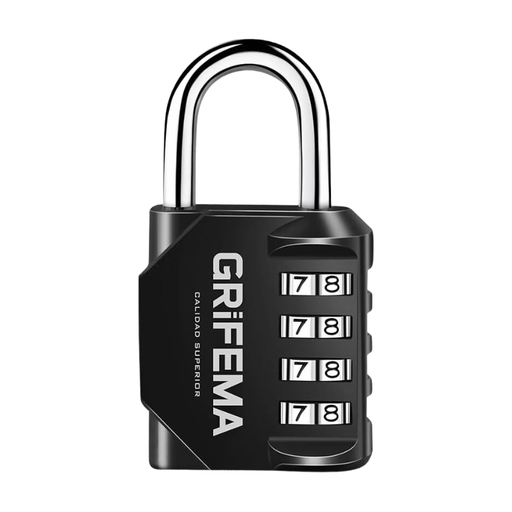
Why This Fits Their Persona: Ideal for athletes, students, or employees who need to secure a locker or cabinet. The keyless operation eliminates the problem of lost keys during sports or the school day.
Solves the problem of an impractical locking mechanism for indoor use. The 4-digit code offers 10,000 combinations, providing higher security than simple 3-digit locks.
Hardened steel shackle; zinc alloy body for durability; easily resettable code.
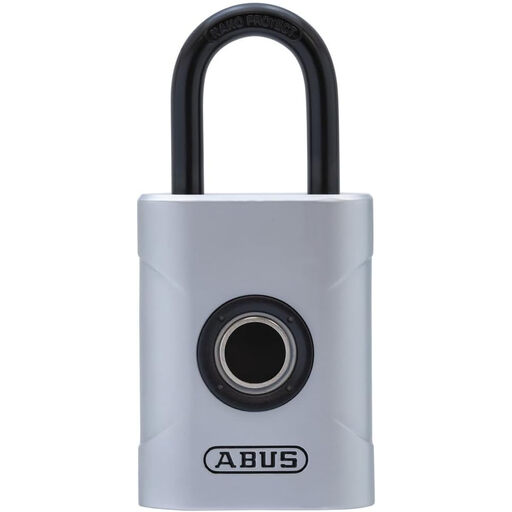
Why This Fits Their Persona: Perfect for home and garden owners securing gates, sheds, or cellar doors. Quick access via fingerprint is especially convenient in the dark or in bad weather.
Debunks the 'weatherproof' myth with verifiable IP66 & IP68 certification. The hardened steel shackle and ABUS security level 8 counter a false sense of security.
High weather resistance; 360° sensor recognises up to 20 fingerprints; double ball locking for high tensile strength.
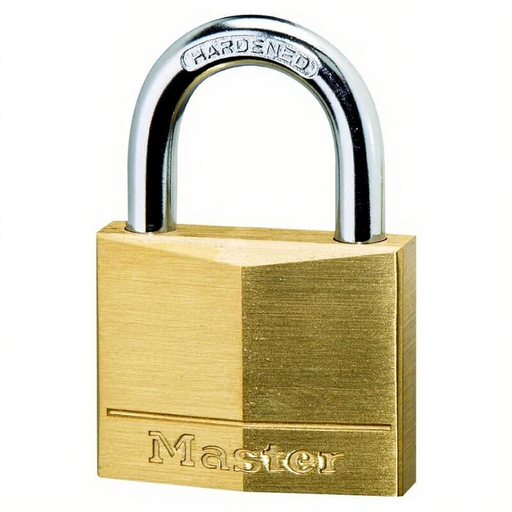
Why This Fits Their Persona: Optimal for tradespeople, small businesses, or families who want to manage multiple toolboxes, storage units, or cellar compartments with just one key type. Reduces the complexity of key management.
The 'keyed alike' feature is the direct solution to the problem of having too many impractical keys. The brass body and hardened steel shackle provide solid baseline security.
One key for all six locks; weatherproof anti-corrosion coating; solid value for money as a set.
We have compiled a complete, up-to-date list of products that fully meet these strict selection criteria and security requirements.
1. How do I reset a combination lock if I've forgotten the code? For security reasons, most padlocks do not allow you to reset the code without knowing the old combination. If this were easy to do, intruders could also open the lock. If the code is lost, the lock usually has to be mechanically removed (cut off). Therefore, be sure to write down your new combination in a safe place.
2. What do the IP ratings on a weatherproof padlock mean? The IP (Ingress Protection) rating indicates how well a casing is protected against the ingress of foreign objects (first digit) and water (second digit). The following ratings are relevant for outdoor use:
3. Will a fingerprint lock work in the cold, and what happens if the battery dies? Modern fingerprint locks are designed for a wide temperature range. However, very low temperatures can temporarily affect battery performance. High-quality models provide an early warning with an audible or visual signal when the battery is running low. To prevent you from being locked out, the lock will no longer engage when the battery level is critical. Battery replacement is usually straightforward and only required after several thousand opening cycles.