
Lieferung heute & morgen

Qualitätsgarantie

Willkommens-Angebote freischalten: KOSTENLOSE Lieferung | Bis zu 80 % RABATT | Kostenlose 30-Tage-JoyPlus-Testphase
App herunterladen
A padlock should suit where you’ll use it, how you plan to secure your belongings and how easy you want it to be to operate. A lock for a gym locker has different requirements from one for a garden gate, an e-bike or a motorbike.
However, some common marketing claims can lead to the wrong choice. A prominent material specification doesn’t automatically mean the shackle is adequately protected. And the term ‘weatherproof’ should not be taken at face value without technical details such as IP66 or IP68. A convenient keyless padlock can make everyday use easier, but it needs a working battery and correctly stored fingerprints.
A lock’s resistance depends on more than just its body. For a bike chain lock, for example, chain diameter, material and length are all important. A 7 mm chain link offers different uses from a 12 mm steel cable. For a gate or fence, you should also check that the shackle or chain will fit through the existing loops.
For outdoor use, details about protection against dust and water are more useful than general marketing claims. A model rated IP66 is protected against dust and powerful water jets, according to its IP rating. IP68 covers temporary or continuous immersion under conditions specified by the manufacturer. You should still make sure the product is suitable for how you intend to use it.
A fingerprint padlock means you don’t need a key or combination. However, the sensor and your finger need to be clean and dry. You’ll also need to keep an eye on the battery. A traditional key-operated bike lock doesn’t need this kind of maintenance, but losing the key can make it difficult to get access. Spare keys aren’t available for every model.
First, measure the openings you’ll need to thread the shackle, steel cable or chain through. For bikes, a length of 120 cm is often handy, as it lets you secure both the frame and a fixed object. For a gate and fence lock, you may need a larger shackle or a separate chain.
For a bike or e-bike, thread the lock through the frame and, if possible, a wheel. A bike cable lock is lightweight and flexible, while a bike chain lock is usually heavier but can be attached to different anchor points.
Look for clear specifications covering hardened steel, steel cable, zinc alloy and protective coating. A nylon or PVC coating can help prevent scratches to your bike frame and make the lock more comfortable to handle in cold weather. However, it doesn’t replace checking the chain links, shackle thickness or locking cylinder.
For a robust lock, the locking mechanism, attachment points and protection against dust and moisture also matter. A covered keyhole can reduce exposure to dirt and water.
A keyless padlock with a fingerprint sensor is particularly useful if several authorised people need access. According to the product details, the ABUS Touch models described here can store up to 20 fingerprints. A low battery is indicated by audible alerts and LED signals.
A traditional lock supplied with two keys, on the other hand, doesn’t rely on batteries. Keep the key somewhere safe; the COSTIC model also comes with a recommendation to lubricate the keyhole regularly.
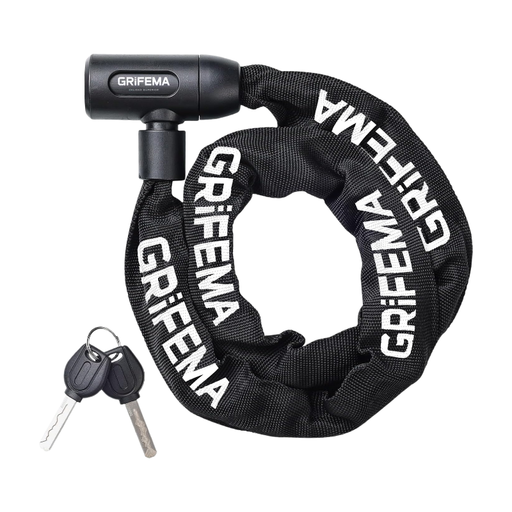
Why it suits this profile: This key-operated bike chain lock is 120 cm long and can be used for bikes, e-bikes, gates, fences and toolboxes.
The product details specify the chain diameter, length and material, as well as a cover for the keyhole, rather than relying on general claims about weather resistance.
7 mm chain, nylon coating, two keys and a keyhole cover designed to protect against water and dust, according to the product description.
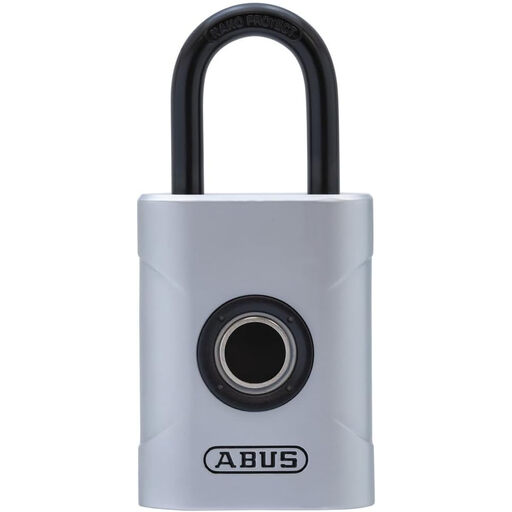
Why it suits this profile: This fingerprint padlock is for people who prefer access without a key or combination, whether at the office, club, garden or workshop.
The product details specify IP66 and IP68 ratings, along with information about the battery indicator and sensor care. This makes it easier to assess its suitability for outdoor use and the maintenance it needs.
50 mm size, 360-degree sensor, storage for up to 20 fingerprints and automatic opening via the spring-loaded shackle, according to the product description.
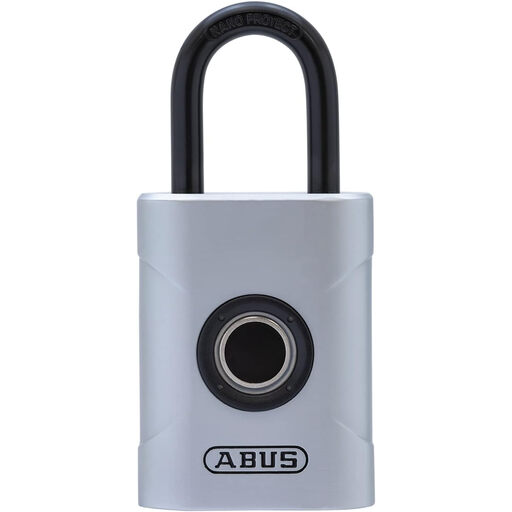
Why it suits this profile: Keyless operation is handy when you need frequent access, for example to garden areas, lockers, offices or shared storage spaces.
The product details flag battery warnings and explain that the sensor and your finger need to be clean. This gives you a clear picture of the ongoing care required.
IP66 and IP68 ratings according to the product details, 45 mm size, storage for up to 20 fingerprints and a double automatic ball-locking mechanism.
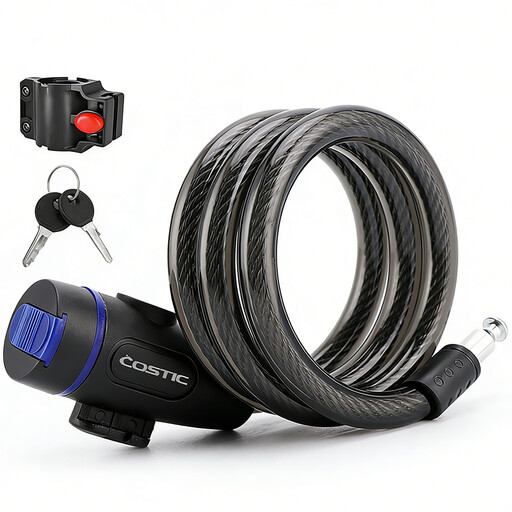
Why it suits this profile: This flexible bike cable lock can be attached to the frame and is designed for regular use with a bike, e-bike or scooter.
The product description specifies a 12 mm steel cable, PVC coating, mounting accessories and two keys. This makes it easier to check the key dimensions and care details.
120 cm length, 12 mm steel cable, PVC coating to protect against scratches and moisture, and coiled storage, according to the product details.
We’ve put together a complete, regularly updated list of products that meet these strict selection criteria and fully comply with the safety regulations in force in the EU.
For outdoor use, check the specific details on water and dust protection, materials, shackle thickness or chain diameter. IP66 and IP68 are technical protection ratings, but they don’t replace checking that the lock is suitable for the conditions in which you’ll use it. For a gate or fence lock, the loops, shackle height and mounting position must also be compatible.
There’s no one-size-fits-all answer. The two types have different features. A fingerprint padlock means there are no keys to lose and can be set up for multiple users. A mechanical lock works without a battery. Theft protection depends on factors including the locking mechanism, materials, anchor point and correct use.
Battery life depends on how often you use the lock, the conditions and the model. The ABUS Touch 50 product description states that it can be used for several thousand opening and closing cycles. Replace the battery as soon as you see warning signals. For reliable recognition, keep the sensor and your finger clean and dry.