
Lieferung heute & morgen

Qualitätsgarantie

Willkommens-Angebote freischalten: KOSTENLOSE Lieferung | Bis zu 80 % RABATT | Kostenlose 30-Tage-JoyPlus-Testphase
App herunterladen
A paint brush set may seem straightforward at first glance: several brushes, different sizes and a low price. In practice, however, the combination of bristles, brush width and handle material determines whether paint is applied evenly or leaves streaks, drips and loose bristles behind.
These three buying misconceptions are particularly common:
For many indoor jobs, synthetic bristles made from nylon, PET or polyester are practical. They can be cleaned with water when water-based paint has been used, and depending on the manufacturer’s specifications, they may be suitable for acrylic and emulsion paint. Products with solid, tapered polyester filaments can help provide controlled paint uptake and an even finish.
For oil-based or solvent-based varnishes, compatibility should be stated explicitly in the product description. Cleaning should then be carried out with a suitable solvent. A brush should not be left in paint or cleaner for extended periods, as this can damage the bristles, ferrule and handle.
A flat brush measuring 20 to 50 mm wide is suitable for furniture, door frames, mouldings and medium-sized surfaces. A wide wall brush can hold paint for larger areas, but is less precise on narrow edges. Round, pointed brushes are useful for corners, touch-ups and controlled lines.
For creative applications, size specifications such as 4, 8 or 10 mm, or numbered detail brushes, are relevant. A set containing flat and round brushes covers a range of painting techniques. Artists and model makers should also check whether the brushes are specified as suitable for gouache, watercolour and acrylic paint.
The ferrule joins the filaments to the handle. Stainless steel, nickel-plated metal and aluminium are often listed as corrosion-resistant materials. This is particularly relevant when brushes are cleaned repeatedly. A wooden handle can feel well balanced in the hand, while rubberised plastic handles are another option for longer renovation jobs.
You should also look for clear care instructions:
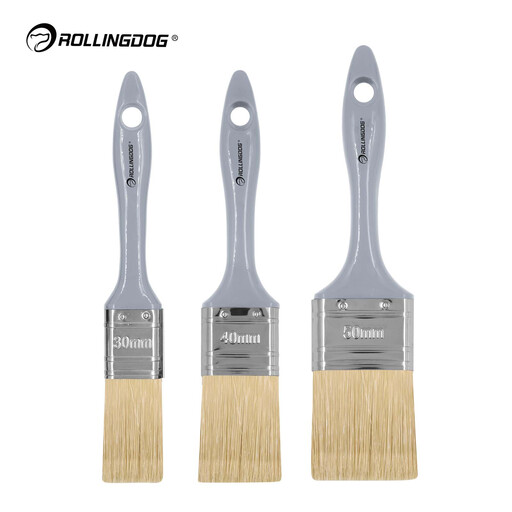
Why this product suits this profile: This three-piece set is designed for basic painting jobs indoors and outdoors, and includes three brush sizes for different surfaces.
The 30, 40 and 50 mm sizes offer more variety than a set with just one brush width. The product specifications state that the brushes have 100% hollow synthetic filaments and stainless steel ferrules.
Three flat brushes, synthetic filaments and stated suitability for different types of paint.
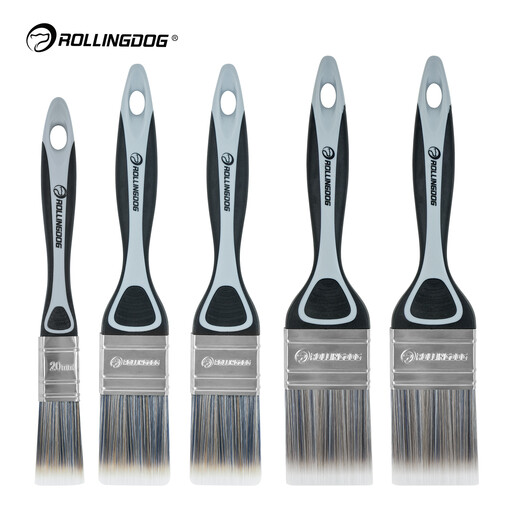
Why this product suits this profile: This set is aimed at renovators and decorators who need several brush sizes for furniture, mouldings, doors and edges.
The composition is clearly specified: two 40 mm brushes, two 50 mm brushes and one 20 mm brush. According to the product specifications, the filaments are made from solid, tapered polyester.
Stainless steel ferrules, plastic handles with soft rubber coating and clearly defined sizes for repeat jobs.
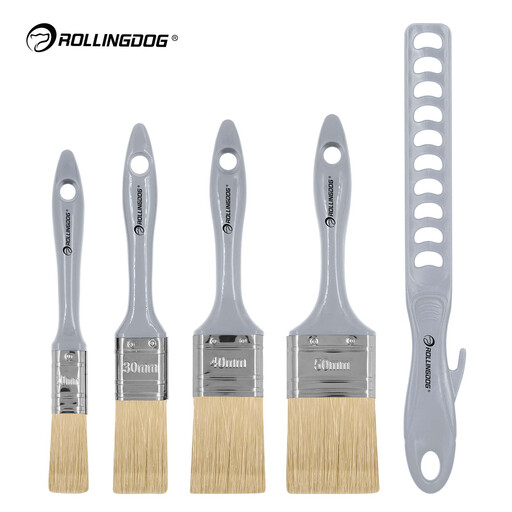
Why this product suits this profile: Alongside four brush widths from 20 to 50 mm, this set contains a 27 cm stirring stick. It is ideal for renovation jobs where paint and primer need to be prepared.
The different widths reduce the need to buy several individual brushes. The stirring stick is explicitly listed as part of the contents.
Four sizes, 100% hollow synthetic filaments, stainless steel ferrules and an additional stirring stick.
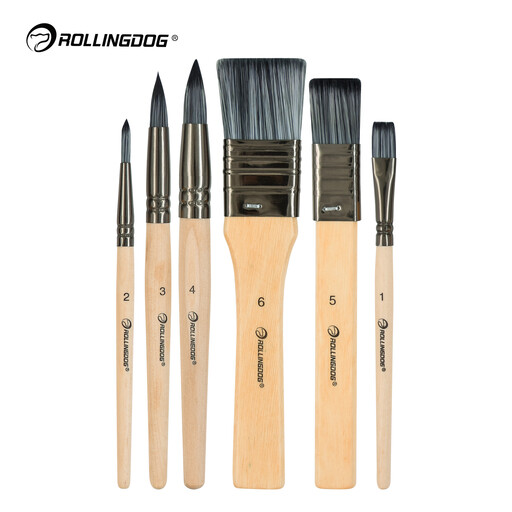
Why this product suits this profile: Three flat and three round brushes in several sizes support fine lines, colour gradients and small areas on canvas, paper or models.
The brush heads are listed by shape and size: flat brushes measuring 8, 15 and 25 mm, and round brushes measuring 4, 8 and 10 mm. This makes it easier to assess the actual range of uses before buying.
Synthetic filaments, nickel-plated ferrules, wooden handles and stated suitability for gouache, watercolour and acrylic paints.
We have put together a complete, regularly updated list of products that fully meet these strict selection criteria and the safety regulations applicable in the EU.
For walls and ceilings, a paint roller and brush set can be a practical choice. The roller covers smooth to lightly textured surfaces, while a brush is used for edges, window reveals and touch-ups. According to the product specifications available, one ROLLINGDOG set, for example, includes a paint tray, a roller frame and two 7-inch roller covers with 12 mm polyester pile.
A standalone decorating brush set is more flexible when furniture, doors, mouldings or small renovation areas are the main focus. For painting and varnishing jobs, we recommend a varnishing brush whose shape and bristle material are explicitly suitable for the varnish being used. For outdoor work, UV exposure, moisture and cleaning conditions should also be taken into account; the manufacturer’s specific suitability information should take precedence over general marketing claims.
For smaller projects, three sizes are often enough, for example 30, 40 and 50 mm. If you also work on edges, furniture or detailed areas, a set with narrow and round brushes is more versatile. For larger walls, combining a paint roller and brush set can complement your workflow.
It is not possible to give a reliable, fixed lifespan as a general rule. It depends on the type of paint, frequency of use, cleaning method and storage. Paint should not be allowed to dry on the brushes, and the bristles should not be left permanently in water or solvent. After cleaning, reshape the bristles and allow them to dry completely.
Many synthetic filaments are marketed, according to product specifications, for water-based paints such as emulsion and acrylic paint. The relevant manufacturer’s information remains decisive. Solvent-based varnishes require a suitable cleaner, and the room should also be adequately ventilated.