
Lieferung heute & morgen

Qualitätsgarantie

Willkommens-Angebote freischalten: KOSTENLOSE Lieferung | Bis zu 80 % RABATT | Kostenlose 30-Tage-JoyPlus-Testphase
App herunterladen
A paint set is designed to make decorating easier, but it is often chosen based on the number of pieces rather than their actual suitability. A single wall has different requirements from a complete interior and exterior painting project, doors, furniture or large ceiling areas. The key considerations are the material, dimensions, paint compatibility and whether the tools can be thoroughly cleaned.
A budget paint tool set can appear comprehensive even though important components are missing. For example, it may contain several small rollers, while a suitable paint roller for large surfaces, a sturdy handle or a paint scraper is not included. Before buying, you should therefore check which tools are actually included and whether they are suitable for your planned project.
A very narrow brush is ideal for edges and detail work, but requires many more passes on large walls. Conversely, a wide brush is less manageable for precise window frames or narrow corners. For painting walls and ceilings, paint rollers with the right width and pile height are usually more practical; brushes complement the set for corners, mouldings and transitions.
Not every tool can be cleaned with water. With water-based paints, prompt cleaning with water is usually sufficient, whereas solvent-based products require a suitable cleaning agent. If paint remains on bristles, rollers or nozzles, the material may harden or become blocked. A paint set without clear care instructions is therefore less predictable to use.
For small touch-ups, furniture or door frames, a paint brush set is sufficient. A set with flat brushes in 20, 30 and 50 millimetres, together with round, pointed brushes, covers both surface painting and detail work.
For walls and ceilings, paint rollers around 23 centimetres wide are practical. A 10-centimetre mini roller complements the equipment for edges, narrow sections and furniture. According to the product specifications, a 12-millimetre pile height is intended for smooth to semi-smooth surfaces in several available sets. For heavily textured surfaces, the suitability of the particular roller cover should be checked separately.
According to the respective product specifications, synthetic filaments are suitable for various types of paint. A sturdy ferrule and a handle that sits securely in the hand are also important. Stainless steel ferrules can resist corrosion; wooden handles should not be soaked for extended periods. For frequent use, a non-slip rubber grip can make handling easier, but this does not automatically guarantee a particular quality of finish.
A paint sprayer can provide an even coat on fences, ceilings or larger surfaces. However, masking, thinning and thorough cleaning afterwards are particularly important. According to the product specifications, the TILSWALL Shark 800 HVLP features 800 watts, four brass nozzles measuring 1, 1.5, 2 and 3 millimetres, and three spray patterns. According to the manufacturer, it is compatible with viscosities of up to 120 DIN-s.
Here, DIN-s refers to the flow time of a paint measured using the supplied viscosity cup. This figure is not a blanket guarantee for every type of paint. Before use, you should follow the specific paint manufacturer’s instructions and carry out a test spray on an inconspicuous area. Spray mist must not be directed towards people, animals or unprotected objects.
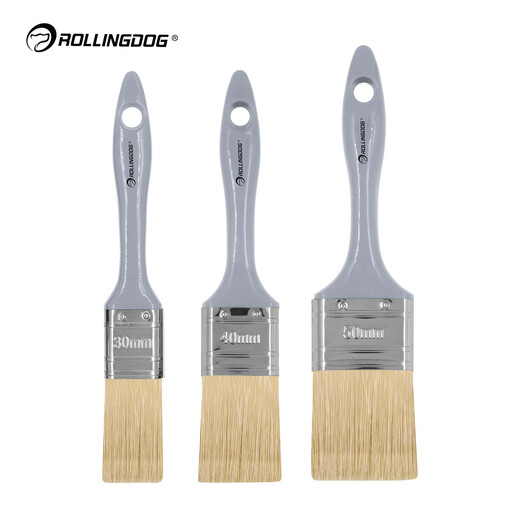
Why this product suits the profile: The three-piece set, with 30, 40 and 50-millimetre brushes, covers basic painting jobs on walls, mouldings and furniture without requiring an extensive collection of accessories.
The three clearly specified sizes make it easier to choose the right brush than with sets containing lots of small brushes that may not be suitable.
Synthetic hollow fibres and corrosion-resistant stainless steel ferrules; according to the product specifications, suitable for various types of paint.
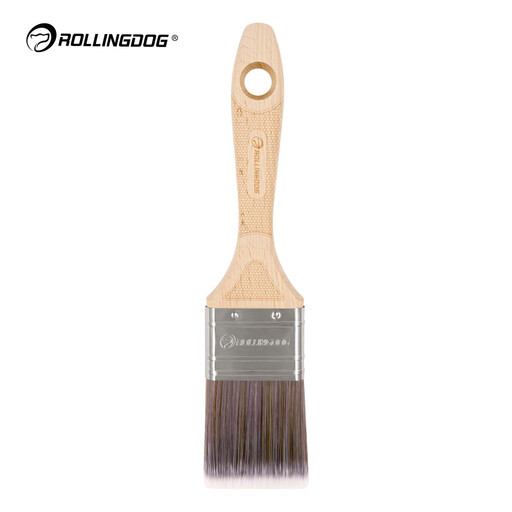
Why this product suits the profile: The single 50-millimetre brush is aimed at users looking for a deliberately selected tool for edges, transitions and smaller surfaces.
The product specifications state the filament type, ferrule material and handle material clearly, rather than relying on vague quality claims.
Rounded stainless steel ferrule, tapered polyester filaments and ergonomic beechwood handle; according to the product specifications, intended for latex paints.
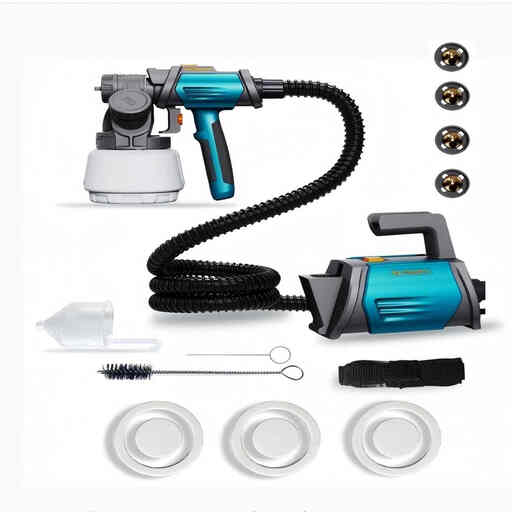
Why this product suits the profile: For larger surfaces such as walls, ceilings, fences or garden sheds, the device offers adjustable spray patterns and multiple nozzles.
Four nozzles, three spray patterns and a viscosity cup make the technical adjustment options easy to understand. However, the sprayer still needs to be cleaned after every use.
800-watt HVLP system, 1,300-millilitre container, 2.5-metre hose and 3-metre mains cable according to the product specifications.
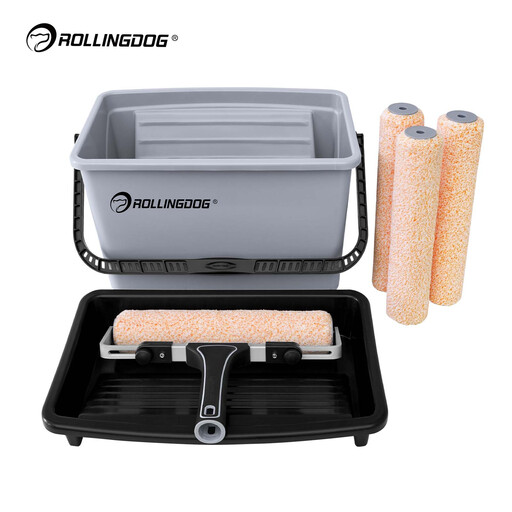
Why this product suits the profile: The 305-millimetre system with adjustable frame is designed for large wall and ceiling areas, as well as regular decorating work.
The set contents and the 9.5-millimetre pile height are clearly specified. This makes it easier to assess whether the roller is suitable for smooth surfaces before buying.
Four microfibre rollers, an adjustable aluminium frame from 230 to 305 millimetres and a 12-inch paint bucket according to the product specifications.
We have put together a complete, regularly updated list of products that fully meet these strict selection criteria and the safety regulations applicable in the EU.
For walls and ceilings, a set with a 23-centimetre paint roller, paint tray, replacement covers, mini roller and at least one wider brush is a sensible choice. An extension pole makes working on high ceilings easier. For furniture and door frames, the set should also include smaller brushes or foam rollers.
Their service life depends on the type of paint, level of use and cleaning. Paint residue should be removed completely after every use. Brushes should then be reshaped and dried flat or hanging up. Roller covers should also be rinsed and stored in a dry place. Dried-on paint, severe deformation or frayed filaments are signs that the tool should be replaced.
That depends on the surface area, paint and frequency of use. A sprayer can save time on large or difficult-to-reach surfaces, but it requires masking, the correct viscosity and thorough cleaning. For individual rooms or small decorating projects, a traditional paint roller set is often easier to prepare and use.