
Lieferung heute & morgen

Qualitätsgarantie

Willkommens-Angebote freischalten: KOSTENLOSE Lieferung | Bis zu 80 % RABATT | Kostenlose 30-Tage-JoyPlus-Testphase
App herunterladen
A paint set can often look extensive at first glance: numerous paint pots, several brushes and practical packaging promise versatile uses. In practice, however, it is not simply the number of colours that determines whether a set is suitable for children, hobby projects, face painting or renovation work. The key factors are the surface, recommended age, type of paint and cleaning requirements.
A paint set with 24 or 36 shades may be appealing to beginners. However, if the paints are only used on paper, many shades may go unused. For schools and nurseries, six well-matched primary colours are often sufficient. For illustrations or decorative projects, on the other hand, additional colour shades can be useful.
Therefore, pay attention to the actual colour selection, the quantity of each colour and whether a brush, mixing palette or water container is included.
Watercolours and many gouache paints can be diluted with water during use. This does not mean, however, that every paint mark will disappear easily from textiles or furniture. With window colour, dried paint can leave residue on unsuitable surfaces. Children’s finger paints can also stain clothing and worktops.
An easy-clean formula should therefore always be considered alongside the specific care instructions. A protective covering, painting apron and prompt cleaning are still advisable.
Oil pastels, acrylic paint sets and certain solvent-based products are often intended for older users. For children, the recommended age, small parts, secure closures and supervision instructions are more important. Also check whether a product is intended for skin, textiles, glass or paper only. Face paint sets and craft paints are not interchangeable.
Do not compare only the number of colours; also check the millilitres per container. A set with six 25 ml paint pots can provide more usable paint for regular school projects than a large set containing very small pans. For occasional craft projects, compact quantities can be more convenient and take up less space.
Different criteria apply to painting and renovation work: here, the brush width, the paint-holding capacity of the bristles and suitability for edges, furniture or larger surfaces are what matter.
A useful brush set should contain several sizes for different tasks. Round brushes are ideal for details, while flat brushes are better suited to larger areas. For wall paint, sizes such as 30 mm, 40 mm and 50 mm are practical for narrow edges, mouldings and smaller surfaces.
Synthetic filaments can provide even paint absorption. For renovation brushes, a corrosion-resistant ferrule is also important. Clean brushes immediately after use with water or the appropriate cleaning product. Do not leave them standing upright in liquid, as this can damage the filaments and handle.
For children’s products, check the recommended age, warnings and information about small parts. A CE marking is relevant for many toys, but it does not replace checking the intended use. For paints that come into contact with the skin, only products expressly intended for this purpose should be used. The eye and lip areas, as well as damaged skin, should be treated in accordance with the manufacturer’s instructions.
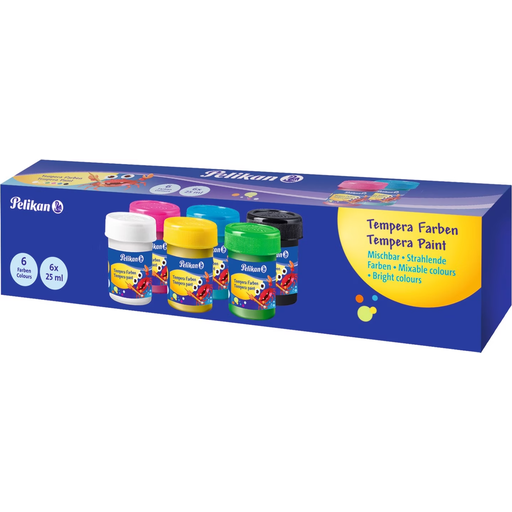
Why this product suits this profile: Six 25 ml paint pots, a small brush and a mixing palette cover typical school and craft activities.
The manageable colour selection reduces unused shades and makes the quantities included easy to understand.
Water-dilutable tempera paint; according to the product description, intended for paper, card, wood and ceramics.
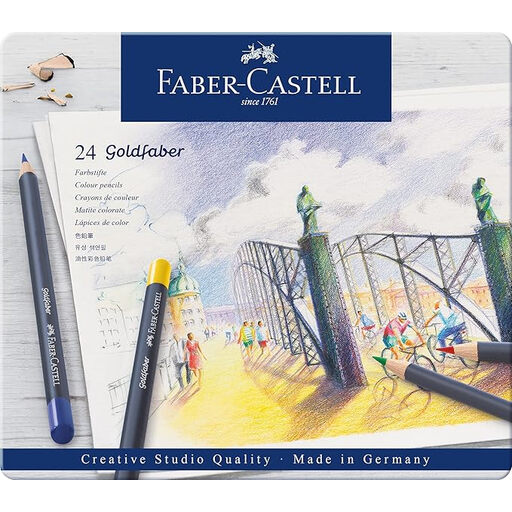
Why this product suits this profile: The 24 oil pastels in a metal tin are designed for drawing, colouring, sketching and shading on suitable paper surfaces.
The product description states a diameter of 3.3 mm, includes a case and provides guidance on handling the tips carefully.
24 shades; according to the product information, a water-resistant and smudge-resistant oil pastel core.
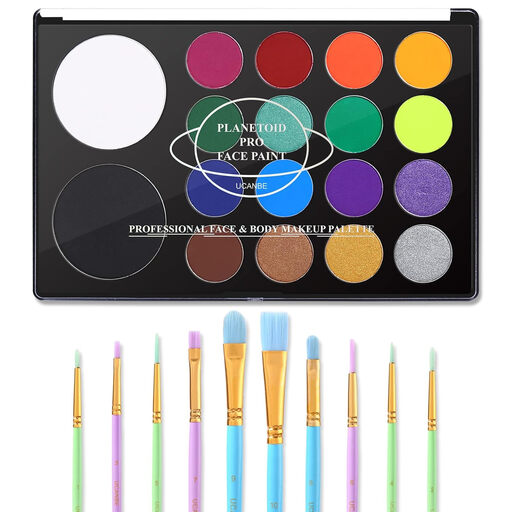
Why this product suits this profile: For cosplay, carnival, themed parties or stage looks, it offers 18 water-activated colours and ten brushes.
Its clearly defined purpose prevents face paint from accidentally being used as craft paint or wall paint.
Water-activated colours; according to the product description, removable with soap and water or a damp cloth. For external use only.
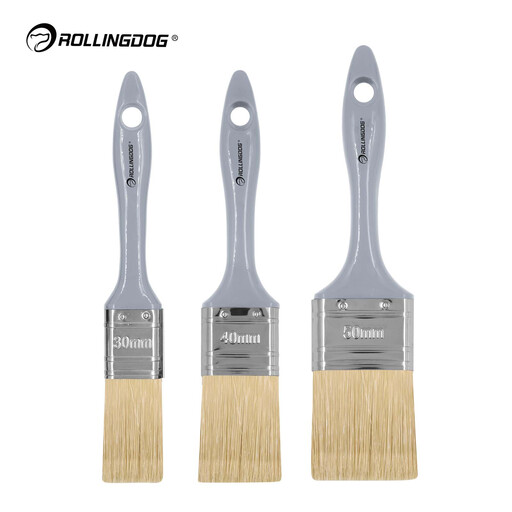
Why this product suits this profile: Three brush widths – 30 mm, 40 mm and 50 mm – cover narrow edges, mouldings and smaller surfaces during DIY projects.
The different widths are specified more clearly than a vague description such as “universal brushes”.
Synthetic filaments and stainless-steel ferrules; according to the product description, intended for walls, mouldings, furniture and detailed work.
We have put together a complete, regularly updated list of products that fully meet these strict selection criteria and the safety regulations applicable in the EU.
For children, important criteria include the recommended age, securely closable containers, manageable quantities of paint and easy-to-clean materials. A children’s paint set should only be used in accordance with the warnings and under supervision when used by young children. For finger painting on fabric, a finger paint set specifically intended for this purpose is more suitable than acrylic paint.
Shelf life depends on the type of paint, packaging and storage conditions. Water-based paints can dry out if the lid is left open. Therefore, close the containers immediately after use. Dried residue should not be mixed with water again without checking first, as its consistency and application properties may have changed.
The price mainly depends on the number of colours, quantity, accessories, brand and intended use. Compare the price per millilitre and check whether brushes, a palette or storage are already included. For a specific project, a suitable set with fewer accessories is often more economical than an extensive range whose colours later go unused.