For full miniatures and multiple views, getting the framing right and keeping the lighting consistent matter more than using a macro lens. If you want tiny brushstrokes to appear large, check the close-focusing performance of the specific lens or your camera’s close-up mode; you won’t necessarily need a macro lens for every miniature. For consistent colours against white, white balance matters too, and the depth of field can be an extra challenge with three-dimensional subjects.
Which camera is right for you?
Detail-focused miniature painters
If you want fine brushstrokes and small components to appear larger, consider the lens’s close-focusing performance, the right mount and room for lighting. Nikon Germany and Sony Germany list compatible macro lenses with specified magnification.
Painters who value accurate colours
If you want to capture painted colours consistently, look for controllable lighting and pay attention to white balance. Nikon Germany explains that white balance affects how white and other colours are reproduced.
Photographers of whole miniatures
For a complete miniature or several views, you’ll need to balance framing, depth of field and the effort involved in setting up your shot. Canon Germany points out that stopping down for macro photography won’t necessarily keep the entire image in focus.
What should you look for when buying a camera?
Compact camera with close-up mode
A good fit if: you want to photograph on a small tabletop setup without changing lenses, and occasionally capture very small details. OM SYSTEM states that the TG-7 can focus from 1 cm away in Microscope mode.
Consider: At very short shooting distances, the camera may block the light from reaching the miniature, so you’ll need to position your lighting to suit your setup.
Interchangeable-lens camera with standard zoom
A good fit if: you want to start by photographing whole miniatures or arrangements, then add a different lens later. The EOS R50 kit described by Canon Germany includes an RF-S 18–45 mm lens.
Consider: The kit name alone doesn’t tell you whether the included lens can capture tiny brushstrokes at a suitable size.
Interchangeable-lens camera with macro lens
A good fit if: you regularly want small painted details to appear large in the frame and want to choose your camera body and lens carefully. Nikon Germany lists a 1:1 reproduction ratio for the NIKKOR Z MC 50 mm 1:2.8.
Consider: The lens must be compatible with the camera body. At high magnifications, the plane of focus can be very narrow, so focus stacking may mean taking and editing extra shots.
| What you’re looking for |
What to check |
Who will find this most important? |
| Small details |
Check the reproduction ratio of the specific lens or the close-up mode; allow room to light the subject from the front. |
If I want fine brushstrokes to fill the frame, the close-focusing performance of my specific setup matters. Around 33% of consumers put detail reproduction first. |
| Colour reproduction |
Check the white balance and, if relevant, RAW support on the specific model; assess it with the lighting you plan to use. |
If you want to capture painted colours consistently under the same lighting, you need controllable white balance. Around 27% of consumers prioritise reliable colour reproduction. |
| Sharpness across the miniature |
Check the aperture controls and, if relevant, support for focus stacking; consider the framing you want. |
If you want the front and back of a three-dimensional miniature to be as sharp as possible, depth of field is a key consideration. Around 20% of consumers put all-over sharpness first. |
| Easy setup |
Compare what’s included, including the lens and any lighting accessories you need; plan the camera, miniature and lighting together. |
If you want to take photos without lots of extra equipment, consider the full package contents and lighting setup together. Around 20% of consumers prioritise a straightforward setup. |
Common buying misconceptions
-
“Macro” in the product name doesn’t automatically mean enough magnification for fine details
When photographing very small brushstrokes, the close-focusing performance of the specific lens is what matters. The camera body and kit name alone won’t tell you how large the detail will appear in the frame.
Check the reproduction ratio, the framing you want and the space available for lighting in your specific setup.
For some close-up shots, you may need an additional compatible lens.
-
An extremely short focusing distance isn’t an advantage in every setup
If the camera is very close to the miniature, it may block the light from reaching the subject.
Plan the position of the camera, miniature and lights together, and check exactly which lighting accessories are included.
-
More megapixels won’t make up for a lack of colour control or depth of field
White balance affects colour reproduction, while close-up photography can have a very narrow plane of focus. Higher resolution alone won’t solve either issue.
Set up your lighting consistently and, if needed, check white balance, RAW and focus stacking support on the specific model.
Camera brands and systems to consider
Canon
The EOS R50 is an RF mirrorless camera. The kit described by Canon Germany pairs it with an RF-S 18–45 mm standard zoom.
- The specific kit contents and the camera body’s RF/RF-S compatibility are listed.
- The standard zoom won’t automatically suit every tiny painted detail; check the actual framing you can achieve.
Nikon
The Z system lets you pair a compatible camera body with a macro lens chosen separately.
- Nikon Germany lists a 1:1 reproduction ratio for the NIKKOR Z MC 50 mm 1:2.8.
- This lens specification doesn’t automatically apply to a Z camera kit supplied with a different lens.
Sony
The APS-C E-mount α6400 camera and the separately available APS-C macro lens SEL30M35 offer a system combination worth considering.
- Sony Germany lists a maximum magnification of 1x and a minimum focusing distance of 0.095 m for the SEL30M35.
- The α6400 kit described comes with a 16–50 mm zoom; the macro lens isn’t included in the stated kit contents.
OM SYSTEM
The TG-7 has a fixed lens and Microscope mode. Separate macro lenses are also available for the Micro Four Thirds system.
- OM SYSTEM states that the TG-7 can focus from 1 cm away in Microscope mode, and lists a 1:1 reproduction ratio for the M.Zuiko ED 60 mm F2.8 Macro.
- The TG-7 and the separate interchangeable lens are different product options; the interchangeable lens isn’t compatible with the TG-7.
Camera options at Joybuy
The Joybuy products below are compact cameras. For photographing painted miniatures, check close-focusing performance and lighting with your specific setup; the listed wide-angle and video specifications don’t show whether a camera is suitable for macro detail shots.
 No image available
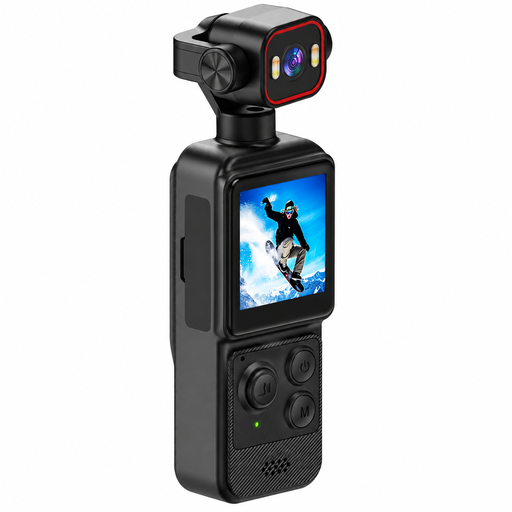
4K mini action camera with clip
For close-ups of painted miniatures, check the actual focusing distance and framing; the wide-angle specification alone won’t tell you what you need to know.
4K video, 140° wide-angle lens, built-in LED light and 1200 mAh battery.
View at Joybuy
 No image available
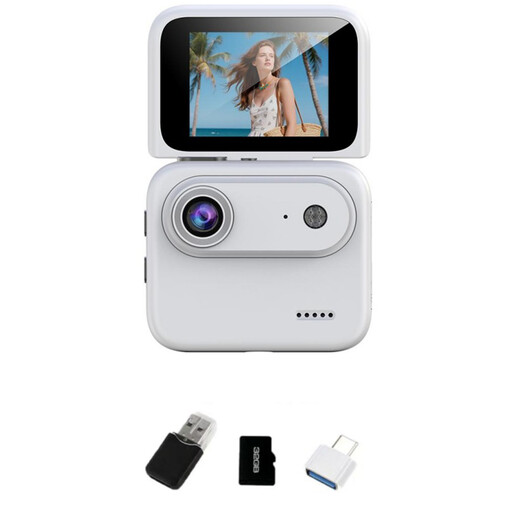
NAXSIR 4K mini action camera
If you’re considering this camera for miniature close-ups, check the focusing distance and whether there’s room to light the subject from the front.
32 GB TF card, 2.0-inch flip-up screen and 143° wide-angle lens.
View at Joybuy
 No image available
NAXSIR 4K Ultra HD digital camera
For small painted details, check how close the camera can focus as well as its photo resolution.
Stated photo resolution: 64 MP; 18x digital zoom and autofocus. A 32 GB memory card is listed in the product name.
View at Joybuy
 No image available
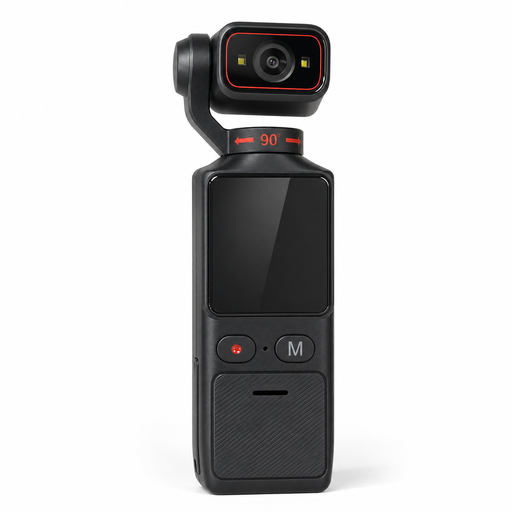
4K pocket camera with electronic image stabilisation
If you want to capture colours consistently against white, check the white balance with your planned lighting; the adjustment feature described here is relevant.
180° rotating lens, Wi-Fi and 1.69-inch touchscreen. The description lists adjustable white balance and a 1/4-inch tripod thread.
View at Joybuy
 No image available
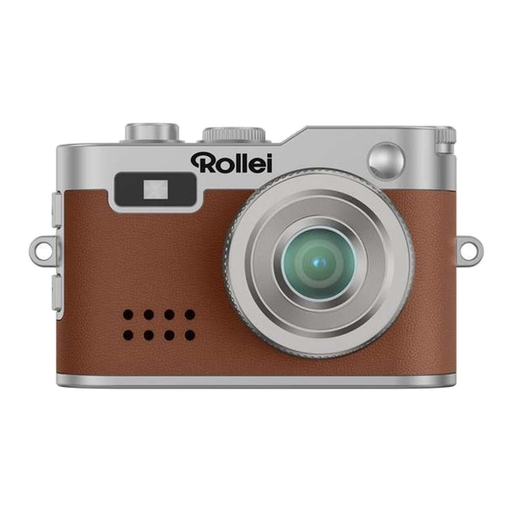
Rollei mini digital camera, brown
Its compact size could suit a small setup; for miniature close-ups, check the focusing distance and lighting position separately.
The product description lists a 2 MP photo function, a weight of 18 g and a built-in LED light with flash and continuous-light modes.
View at Joybuy
Frequently asked questions
Do I need a 1:1 macro lens for every painted miniature?
No. For whole miniatures, check the framing first. For tiny details, what matters is the reproduction ratio of the specific lens or the close-up mode on a compact camera.
What can I do if the head and weapon aren’t both in focus?
Start by checking the framing and aperture. If one shot doesn’t provide enough depth of field, focus stacking may help: the focus is shifted between shots. Check whether the specific model supports this and how the images are combined.
How can I keep white and painted colours consistent across several photos?
Keep your lighting setup as consistent as possible and adjust the white balance to suit the light you’re using. If the model supports RAW and you plan to edit your photos, you’ll have more flexibility to correct the white balance later.
What should I check in a camera’s package contents?
Check the exact kit name and confirm which lens and accessories are actually included. You may need an additional macro lens for certain close-up shots, and your lighting accessories should suit your planned setup too.


