
Lieferung heute & morgen

Qualitätsgarantie

Willkommens-Angebote freischalten: KOSTENLOSE Lieferung | Bis zu 80 % RABATT | Kostenlose 30-Tage-JoyPlus-Testphase
App herunterladen
A fresh coat of paint can transform a room, but the final result often depends on an unsung hero: painter's tape. The joy of a new wall colour can quickly fade if paint has bled under the tape or if it leaves behind unsightly adhesive residue. Even worse is when the tape rips off parts of the wallpaper or the underlying surface.
As a Joybuy Product Recommendation Officer, I analyse the market to help you avoid these costly and time-consuming mistakes. Many products promise perfect results, but the reality is often different. Pay close attention to these three common pitfalls:
Choosing the right product isn't a matter of price, but of matching it to the specific application.
To achieve a clean finish, three technical properties are crucial. Understanding these parameters will enable you to select the right product for your project.
The tape's backing material is primarily responsible for the quality of the paint line.
The adhesive's tack level must be appropriate for the substrate. A tape that is too sticky can damage the surface, while one that is too weak won't form a tight seal.
When masking for painting outdoors or on window fronts, UV stability is critical. A non-UV-resistant painter's tape will become brittle from sun exposure; the adhesive cures and bonds firmly to the substrate. Pay attention to the manufacturer's specification for maximum outdoor application time (e.g., "residue-free removal for up to 14 days"). This information is a reliable indicator of the adhesive's quality.
Instead of making a blanket recommendation, we have selected products for specific user profiles and their requirements.
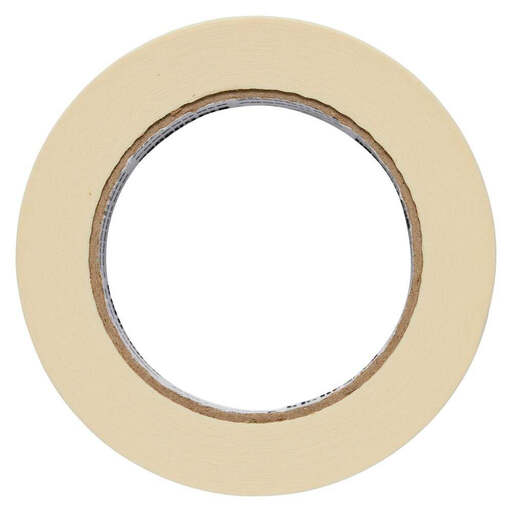
Why This Fits Their Persona: A practical choice for DIYers tackling standard interior paint jobs, such as painting walls or masking baseboards and door frames on non-delicate, fully cured surfaces.
This product is a classic paper painter's tape and isn't marketed as a universal solution. It is clearly positioned for simple interior applications, thus avoiding misuse on delicate surfaces.
Solid adhesion on standard substrates; tears easily by hand and offers great coverage for larger projects with 50 meters per roll.
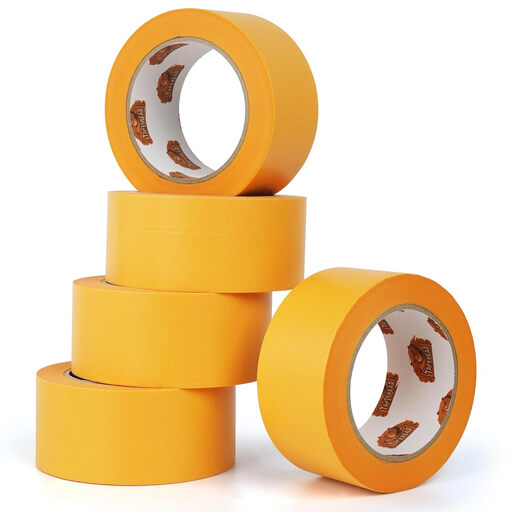
Why This Fits Their Persona: Suited for quality-conscious renovators working on delicate substrates like wallpaper, decorative trim, or freshly cured painted surfaces, who prioritize extremely clean lines and damage-free removal.
This washi tape, with its low-tack adhesive formula, is specifically engineered to prevent surface damage. It counters the 'one-size-fits-all' trap by providing a specialized solution for delicate tasks.
Delivers very sharp and precise paint lines (clean-edge painter's tape); removes without residue even after several days; 7-day UV resistant.
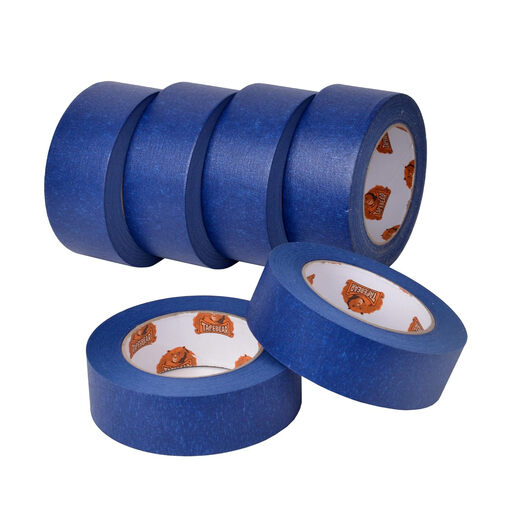
Why This Fits Their Persona: Designed for professional contractors and ambitious DIYers undertaking outdoor projects or jobs that span several days. Ideal for facades, window frames, or other areas exposed to sunlight.
With its specified 14-day UV resistance, this tape solves the problem of the adhesive hardening and bonding in the sun. It reliably prevents adhesive residue on long-term outdoor projects.
Up to 14-day UV and weather resistant; suitable for use on various surfaces indoors and outdoors; water-resistant.
We have compiled a complete, up-to-date list of products that fully meet these strict selection criteria.
The maximum duration depends on the product. Standard crepe tape should ideally be removed within 24 hours. High-quality products, especially UV-resistant tapes, can remain on the surface for 7 to 14 days, according to manufacturer specifications, without leaving residue. It's best to remove the tape when the paint is dry to the touch to avoid tearing the paint film.
For delicate surfaces like paper or non-woven wallpaper, a special painter's tape for delicate surfaces is essential. Look for products with low-tack adhesive, often labelled as washi tapes or "Sensitive" tapes. Always perform a test on an inconspicuous area before large-scale application.
For a sharp paint line, press the painter's tape down firmly after applying it, using a putty knife or a credit card. This prevents paint from seeping under the tape. Another pro tip: Paint the edge of the tape first with the wall's base colour. This layer seals the edge. After it dries, you can paint over it with the new colour. When you remove the tape, you'll get a perfect line.