
Lieferung heute & morgen

Qualitätsgarantie

Willkommens-Angebote freischalten: KOSTENLOSE Lieferung | Bis zu 80 % RABATT | Kostenlose 30-Tage-JoyPlus-Testphase
App herunterladen
As a Joybuy Product Recommendation Officer, I often see a promising renovation project compromised by one small but crucial component: the wrong painter's tape. The result is messy paint lines, damaged surfaces, and stubborn adhesive residue that creates more work than it saves.
However, choosing the right masking tape is easier once you know the common pitfalls. Many products overpromise and underdeliver, leading to frustration. Let's focus on the three most common problems and how to avoid them from the start.
A good masking tape for painting doesn't have to be expensive, but it must be tailored to the specific application.
To avoid the problems mentioned above, you should check three core features before buying. These determine whether a painter's crepe tape is suitable for your project or not.
The backing material is crucial for the sharpness of the paint line.
The ability for residue-free removal depends directly on the quality of the adhesive and how it's matched to the backing material.
Planning to work outdoors or in sun-drenched rooms? Then a painter's tape labelled as UV-resistant is essential. UV radiation breaks down the adhesive in conventional tapes, causing it to harden and become difficult to remove.
Pay attention to the maximum application time specified by the manufacturer (e.g., "clean removal within 14 days"). This specification is a reliable indicator of the adhesive's quality and gives you a safe time window for your project.
The width of the tape should match the task.
Here are some recommendations tailored to specific needs and users.
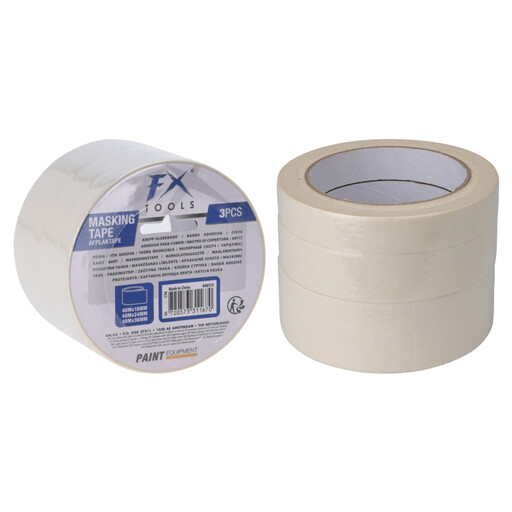
Why This Fits Their Persona: Ideal for general indoor renovation projects where excellent value for money is a priority. This set covers the most common applications with three different widths.
The medium adhesion is designed for standard surfaces like cured emulsion paint or primed wood, reducing the risk of damage and adhesive residue compared to aggressive all-purpose tapes.
The set includes three rolls in 18 mm, 24 mm, and 36 mm widths, offering great flexibility for various masking jobs. The surface is writable.
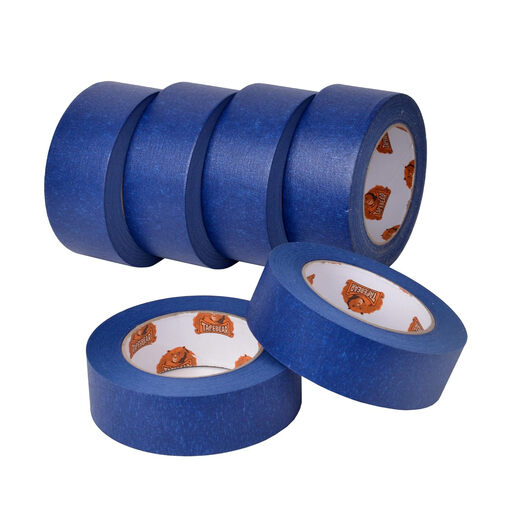
Why This Fits Their Persona: For users who need a reliable tape for various indoor and outdoor surfaces and value a clean, professional finish.
Thanks to its UV resistance and guaranteed residue-free removal for up to 14 days, it avoids the "Time Factor Fallacy." The adhesive does not harden, even when exposed to sunlight.
Universally applicable on many surfaces and weather-resistant. The wide 48 mm version efficiently protects baseboards and frames. Ensures sharp paint lines.
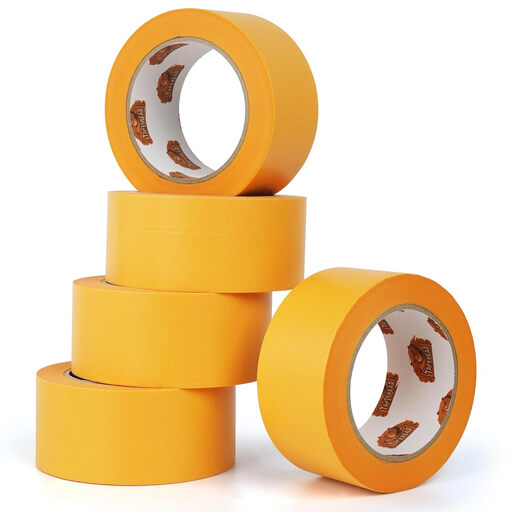
Why This Fits Their Persona: Perfect for professional users and DIYers working on delicate substrates like wallpaper, freshly dried paint, or lacquered furniture, who want to take zero risks.
The thin Washi paper combined with a low-tack acrylic adhesive prevents both paint bleed and damage to the substrate. It removes gently and safely.
Enables extremely sharp paint lines and is UV-resistant for up to 7 days. The gold colour provides good visibility during application.
We have compiled a complete, up-to-date list of products that fully meet these strict selection criteria and standards.
The optimal duration depends on the product. As a rule of thumb, remove the tape when the paint is dry to the touch but not yet fully cured. This prevents the paint edge from tearing off with the tape. Pull the tape off slowly at a 45-degree angle. Always observe the manufacturer's maximum application time, especially for UV-resistant tapes.
Ensure the surface is clean, dry, and dust-free. After applying the crepe tape for painting, press it down firmly, especially along the edge to be painted. A small spatula or a credit card can help create a perfect seal and prevent air pockets where paint could bleed.
Technically yes, but the results will vary greatly. Inexpensive, general-purpose crepe tape, often intended for packaging, usually has a more aggressive adhesive and a thicker backing material. This increases the risk of adhesive residue, surface damage, and messy lines. A dedicated painter's tape is formulated for the demands of painting and is therefore always the safer choice for a clean result.