
Lieferung heute & morgen

Qualitätsgarantie

Willkommens-Angebote freischalten: KOSTENLOSE Lieferung | Bis zu 80 % RABATT | Kostenlose 30-Tage-JoyPlus-Testphase
App herunterladen
A fresh coat of paint can completely transform a room. But that sense of accomplishment is quickly soured when, after removing the tape, you discover bleeding paint edges, adhesive residue, or even damaged surfaces. Choosing the right painter's tape is crucial for a professional result, whether you're a seasoned professional or a dedicated DIY enthusiast.
This guide will help you understand the differences between various types of masking tape and make an informed decision for your specific project. We'll present objective criteria so you can find the exact product that delivers clean results without damaging the underlying surface.
The choice of the right tape depends on three key factors: the tape's material, the nature of the surface, and the duration of the application.
Not all tapes are created equal. The material is a key determinant of the quality of your paint lines.
The adhesive strength must be appropriate for the surface. Too much tack can damage the surface upon removal, while too little can cause the tape to lift, allowing paint to seep underneath. Pay attention to the manufacturer's recommendations for suitability on different surfaces. Equally important is the recommended application time. Some tapes must be removed within 24 hours, while others, especially UV-resistant products, can adhere for several days without leaving residue.
For outdoor projects or on windows exposed to direct sunlight, UV-resistant painter's tape is essential. Standard tapes can harden under UV radiation and virtually bake onto the surface, making removal extremely difficult and often leading to adhesive residue. UV-resistant gold tape maintains its properties even in sunlight for the period specified by the manufacturer. For protecting large areas like floors or furniture, a pre-taped masking film is also recommended, combining covering and masking in a single step.
Based on the criteria mentioned, we have compiled a selection of products for various applications.
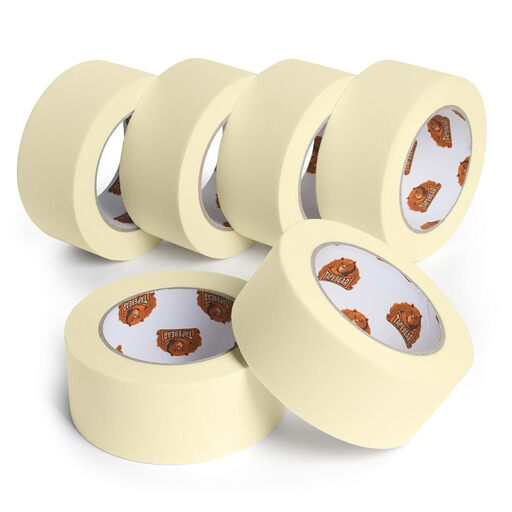
Why it stands out: With its 48 mm width, this set offers generous coverage, speeding up work on larger projects. The crepe paper is writable, making it suitable not only for masking but also for organising and labelling in the office, at school, or for craft projects.
Pros:
Who it's for? Ideal for DIYers and crafters looking for a reliable, all-purpose tape for general indoor masking and labelling on non-sensitive surfaces.
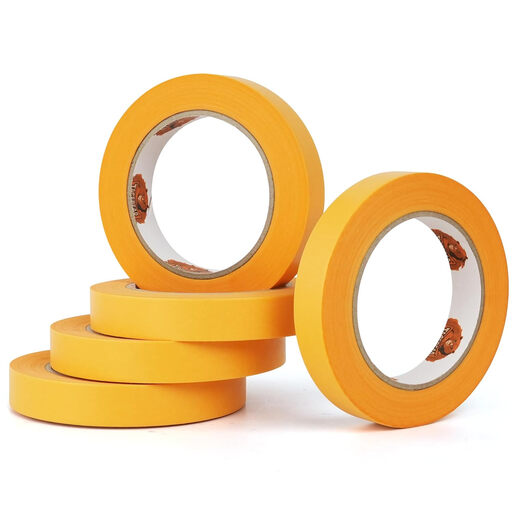
Why it stands out: Made from high-quality washi paper, this gold tape is the solution for professional demands. The narrow 19 mm width allows for precise work in intricate spots, on curves, and along edges. According to the manufacturer, it is UV-resistant for up to 7 days and can be removed without leaving any residue.
Pros:
Who it's for? For professional painters and demanding DIY enthusiasts who require the highest precision for painting and lacquering work on delicate surfaces or outdoors.
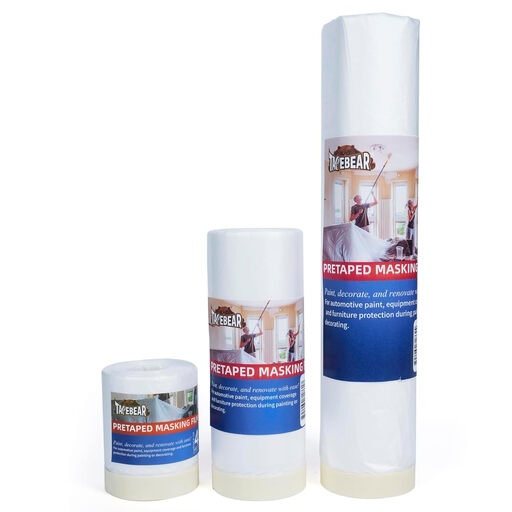
Why it stands out: This 2-in-1 solution combines a tear-resistant protective film with a pre-attached tape edge, saving significant time when protecting large areas. The set includes three different widths (550 mm, 1400 mm, 2600 mm) and is, according to the manufacturer, heat-resistant up to 80°C, which also qualifies it for use in automotive painting.
Pros:
Who it's for? Perfect for renovators as well as professional and automotive painters who need to quickly and effectively protect large surfaces from dirt and paint overspray.
If our selection didn't include the perfect product for your specific project, you might find the right solution in our broader assortment.
Discover our full range of adhesive tapes and find the right accessory for your next project.
Painter's crepe (standard crepe tape) is thicker, typically has a stronger adhesive, and is suitable for general jobs on robust surfaces. Washi tape (often sold as gold tape) is significantly thinner, smoother, and more tear-resistant. It has a lower tack, making it ideal for delicate surfaces and for achieving extremely sharp paint lines.
The maximum application time depends on the specific product. Standard crepe tape should usually be removed within 24 to 48 hours to avoid adhesive residue. Special UV-resistant painter's tape can remain in place for several days or even weeks, depending on the manufacturer's instructions. Always check the specific information on the product packaging.
For a clean result, it's crucial to press the tape down firmly, especially along the edges. A plastic putty knife or an old plastic card can help press the tape onto the surface without any air bubbles. An extra trick: First, paint the edge of the tape with the original wall colour. After this layer has dried, apply the new colour. This seals any small gaps and ensures the edge will be perfect.