
Lieferung heute & morgen

Qualitätsgarantie

Willkommens-Angebote freischalten: KOSTENLOSE Lieferung | Bis zu 80 % RABATT | Kostenlose 30-Tage-JoyPlus-Testphase
App herunterladen
A fresh coat of paint can completely transform a room. But the final result hinges on the precision of your prep work. A messy paint edge, adhesive residue on a window frame, or paint splatters on new hardwood can quickly spoil the joy of renovating. Choosing the right painter's tape isn't just a minor detail—it's the crucial foundation for a professional-looking finish.
This guide will help you understand the differences between various types of masking tape and make an informed decision for your specific project—whether you're painting large walls, doing delicate lacquer work, or protecting sensitive surfaces.
Not every tape is suitable for every job. Three key criteria will help you navigate the options to find a product that offers residue-free removal and is perfect for your intended purpose.
The texture of the surface is the most important factor. A standard crepe painter's tape adheres well to smooth, durable surfaces like primed drywall or metal. However, caution is needed for delicate surfaces such as textured wallpaper, fresh lacquer, or wood veneer. Here, a tape with too much adhesion can damage the surface upon removal. For these cases, special tapes with lower adhesion, often labelled "sensitive" or "low-tack," are ideal.
Are you planning to work indoors or outdoors? For outdoor projects exposed to weather and direct sunlight, UV-resistant tape is essential. Standard crepe tapes can become brittle under UV exposure, and the adhesive can permanently bond to the surface, making removal difficult and leaving behind residue. Pay attention to the maximum application time specified by the manufacturer. This indicates how long the tape can remain on the surface without causing issues.
For exceptionally sharp paint lines, the tape's backing material is critical. While traditional crepe tape for painting is sufficient for many standard tasks, its texture can sometimes allow paint to bleed slightly under the edges. For the highest level of precision, Washi painter's tape has become the established choice. This tape, often known as gold painter's tape, is made from a very thin yet tear-resistant special paper. It conforms extremely tightly to the surface, effectively preventing paint from seeping underneath.
Based on functionality and application areas, we have curated a selection of products suitable for various needs in renovation and painting projects.
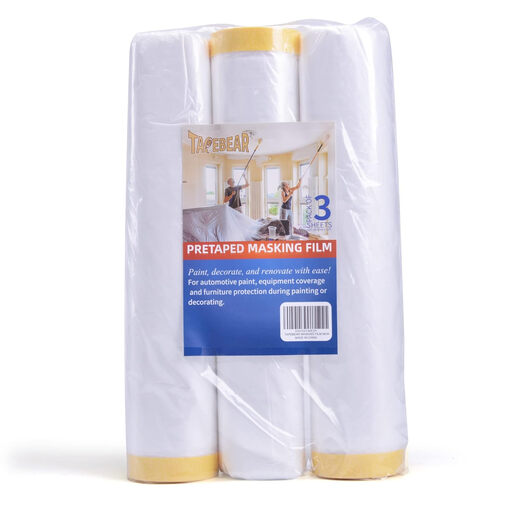
Why it stands out: This pre-taped masking film is a 2-in-1 solution that significantly speeds up the process of masking and covering large areas. The combination of self-adhesive tape and a wide, tear-resistant film makes it an efficient tool for extensive projects.
Benefits:
Who is it for? Ideal for professional tradespeople and DIYers who need to quickly and efficiently protect large areas like furniture, carpets, floors, or even vehicles from paint and dirt during major renovations or remodels.
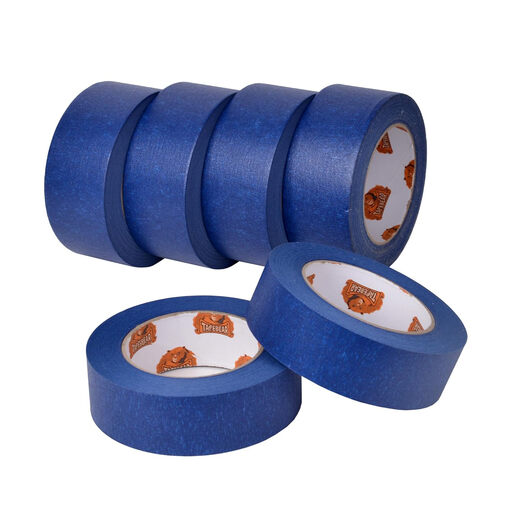
Why it stands out: This blue painter's tape is a versatile all-rounder for both indoor and outdoor applications. Its UV resistance and long, clean removal window make it a reliable choice for projects that span several days.
Benefits:
Who is it for? For painters and DIY enthusiasts looking for a reliable and versatile masking tape for various surfaces indoors and outdoors, who value clean removal even after an extended period.
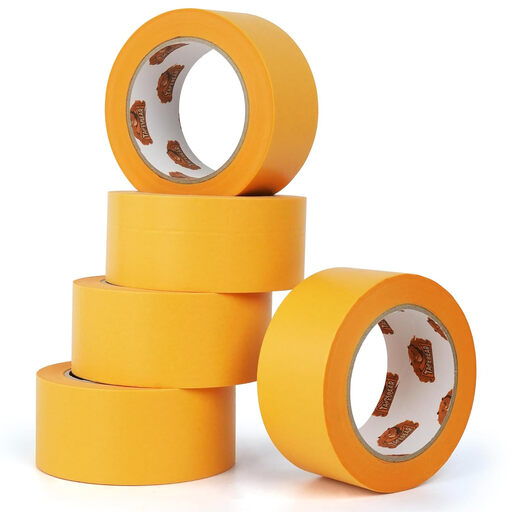
Why it stands out: This gold painter's tape is based on Japanese Washi paper and is specifically designed for painting jobs that demand the highest precision. Its low adhesion makes it the top choice for delicate surfaces.
Benefits:
Who is it for? Perfect for demanding painting projects, accent walls, multi-color designs, and masking on delicate surfaces where maximum edge sharpness and surface protection are paramount.
If these recommendations don't include the exact solution for your specific needs, you can find a broader range of products in our category. There, you can discover other specialty tapes and masking materials for various applications.
Discover more Adhesive Strips for Walls.
1. How long can painter's tape stay on the wall? The maximum duration depends on the product. Standard crepe painter's tape should often be removed within 24 to 72 hours. UV-resistant tapes can, as specified by the manufacturer, remain for up to 14 days or longer without leaving residue. You will always find the exact specification on the product packaging.
2. How do I prevent paint from bleeding under painter's tape? After applying the tape, press it down firmly, especially along the edge you will be painting. A putty knife or a credit card can help. For extremely smooth edges, here's another tip: first, paint the edge of the tape with the wall's base color. This seals the edge. After this layer has dried, you can paint over it with the new color.
3. Which painter's tape is best for delicate surfaces like wallpaper? For delicate surfaces like wallpaper, fresh paint, or wood veneers, you should use a special low-tack tape. Products like TAPEBEAR Gold Painter's Tape (Washi Tape) are designed for this, as they adhere securely but won't damage the surface upon removal. It is always recommended to test the tape on an inconspicuous area first.