
Lieferung heute & morgen

Qualitätsgarantie

Willkommens-Angebote freischalten: KOSTENLOSE Lieferung | Bis zu 80 % RABATT | Kostenlose 30-Tage-JoyPlus-Testphase
App herunterladen
When it comes to painting and finishing, the quality of your preparation is what ultimately determines the final result. Inaccurate paint lines, paint bleed, or adhesive residue on delicate surfaces can undermine an entire project. Therefore, selecting the right painter's tape isn't just a minor detail—it's a fundamental requirement for professional-grade results.
This guide is for professional tradespeople and discerning DIY enthusiasts looking for an informed resource to help them choose the right masking material. We will introduce different types of painter's tape and explain which features are crucial for specific applications.
The choice of the right masking tape depends on several factors, including the surface, the duration of the application, and the environmental conditions. Here are three key criteria to simplify your decision.
The backing material and the adhesive formula determine the performance of a painter's tape.
For outdoor projects or in rooms with high sun exposure, a UV-resistant painter's tape is essential. Without this protection, the adhesive can cure under sunlight, leaving behind unsightly residue or damaging the surface upon removal. Products with specified UV resistance guarantee a clean removal even after several days.
For quickly masking large areas like floors, furniture, or vehicles, combination products are a time-saving solution. A masking film with tape combines two steps into one product. The film protects against paint splatters and dust, while the integrated tape ensures precise and secure adhesion at the edges. This offers a significant efficiency advantage, especially for painter's supplies for clean edges and surface protection.
Based on the criteria mentioned, we have curated a selection of products suitable for various professional and DIY projects.
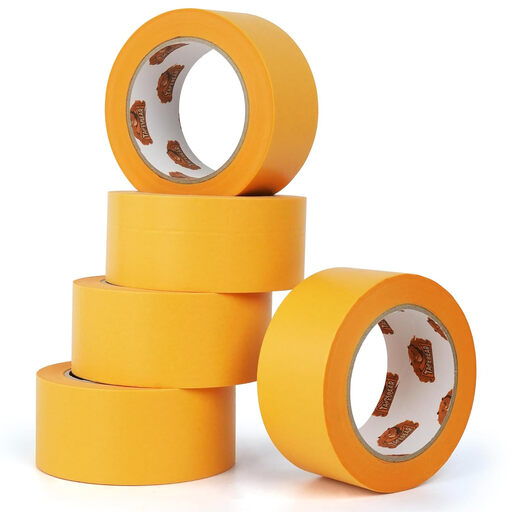
Why it stands out: This tape combines the precision of Washi paper with a practical 50 mm width, making it a versatile tool for standard masking jobs.
Benefits:
Who is it for? Ideal for painters and renovators who need a reliable all-round tape for interior and exterior projects, especially for masking skirting boards, door frames, and window frames.
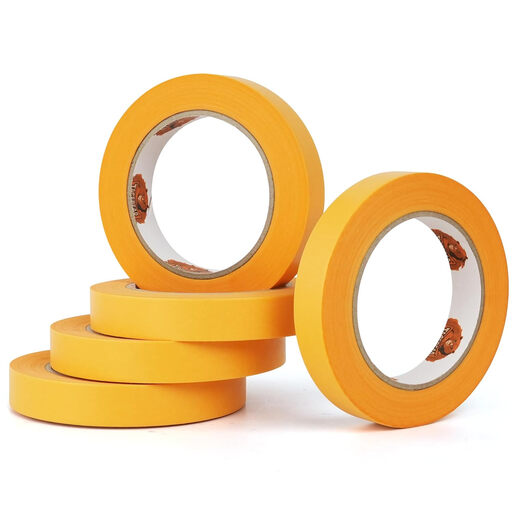
Why it stands out: The narrow 19 mm width makes this Washi tape the top choice for detail work and precise lines.
Benefits:
Who is it for? Perfect for professional painters, automotive detailers, and DIYers working on complex patterns, narrow trim, or curved surfaces who refuse to compromise on edge sharpness.
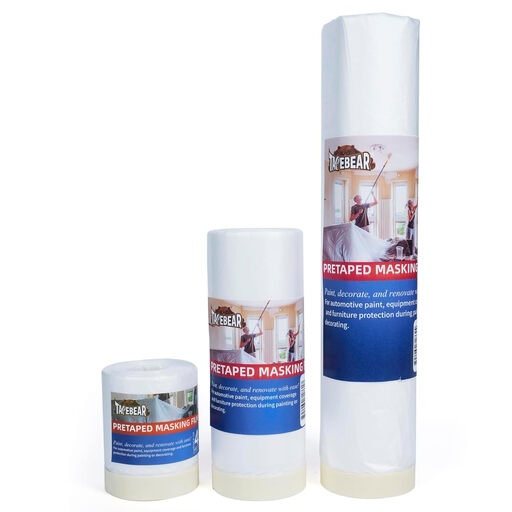
Why it stands out: This 2-in-1 solution of masking film and tape streamlines the workflow by providing fast and effective protection for large areas.
Benefits:
Who is it for? An excellent choice for professional users and DIY projects where large surfaces need to be protected efficiently and securely from dirt and paint overspray.
If you haven't found the right solution for your specific project or are looking for other specialty tapes, explore our wider selection of adhesive tapes for various applications.
? Explore Our Range of Green Tape Here
1. How long can painter's tape be left on a surface? The maximum duration depends on the product. High-quality Washi tapes can often remain for 7 or more days, as specified by the manufacturer, even with UV exposure. Basic crepe tape should generally be removed within 24 hours to avoid adhesive residue. Always follow the manufacturer's specific instructions on the product packaging.
2. What is the difference between crepe tape and Washi tape (gold tape)? The main difference lies in the backing material. Washi tape is made of thin but very dense Japanese rice paper, which prevents paint bleed and allows for extremely sharp lines. Crepe tape is thicker and more porous. Gold tape also often offers better UV resistance and cleaner removal, making it the preferred choice for professional results.
3. How do I prevent fresh paint from peeling off when I remove the tape? To prevent this, you should remove the masking tape when the paint is dry to the touch but not yet fully cured. Pull the tape off slowly and steadily at a 45-degree angle away from the freshly painted edge. Using a low-tack tape designed for delicate surfaces will further minimise this risk.