
Lieferung heute & morgen

Qualitätsgarantie

Willkommens-Angebote freischalten: KOSTENLOSE Lieferung | Bis zu 80 % RABATT | Kostenlose 30-Tage-JoyPlus-Testphase
App herunterladen
By the Joybuy Product Recommendation Officer, July 21, 2026
Anyone who has ever painted a wall knows the frustration: despite careful masking, paint bleeds through, leaving messy edges, or the tape pulls off fresh paint or the surface underneath when removed. Choosing the right painter's tape is crucial for a clean, professional result without frustrating touch-ups.
This guide will help you understand the differences between various types of painter's masking tape. We'll provide objective criteria so you can make an informed decision for your specific renovation, lacquering, or painting project—whether you're a DIY enthusiast or a professional contractor.
The choice of the right masking tape depends on several factors. Three criteria are particularly important: the material, the adhesive strength, and its resistance to environmental factors.
The base material is a key determinant of the quality of your paint line.
A good painter's tape must adhere securely but not bond permanently to the surface. Pay attention to the maximum application time specified by the manufacturer. Within this timeframe, the tape should be removable without residue and without damaging the surface. Excessive adhesive strength can cause damage to delicate materials like paper wallpaper or old paint coats.
If you're working outdoors or in rooms with strong sun exposure, a UV-resistant painter's tape is essential. Direct sunlight can break down the adhesive on conventional tape, causing it to harden and become difficult to remove, or leave behind unsightly residue. UV-resistant tapes maintain their properties even with sun exposure for the specified period.
Based on the criteria mentioned, we have compiled a selection of products suitable for various applications.
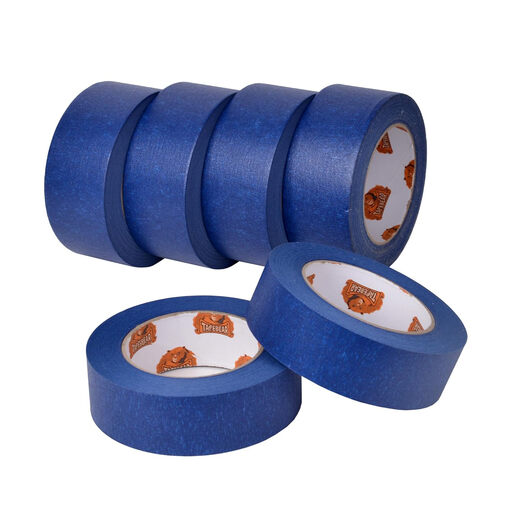
What sets it apart: This blue crepe tape is a versatile product for a wide range of interior and exterior surfaces. Its key strength lies in its long application time and robust nature.
Advantages:
Who is it for? For DIYers and professionals who need a reliable, all-round painter's tape for general painting jobs on non-delicate to slightly sensitive surfaces like wood, glass, metal, and primed walls.
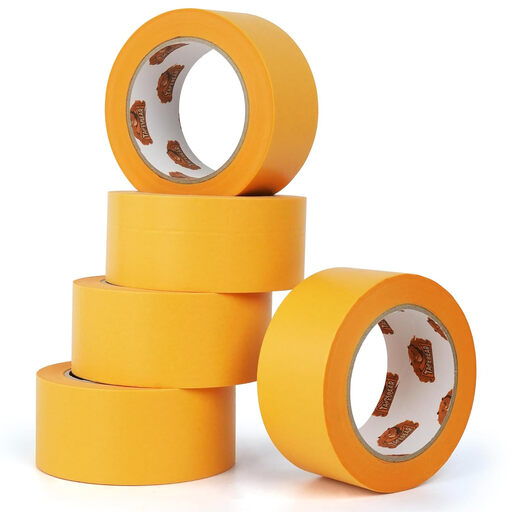
What sets it apart: This gold Washi tape is specifically designed for projects that demand maximum precision and protection for sensitive surfaces. The thin material ensures extremely clean lines.
Advantages:
Who is it for? For users undertaking demanding painting jobs on delicate surfaces, such as painting accent walls on wallpaper or lacquering furniture, who value a flawless finish.
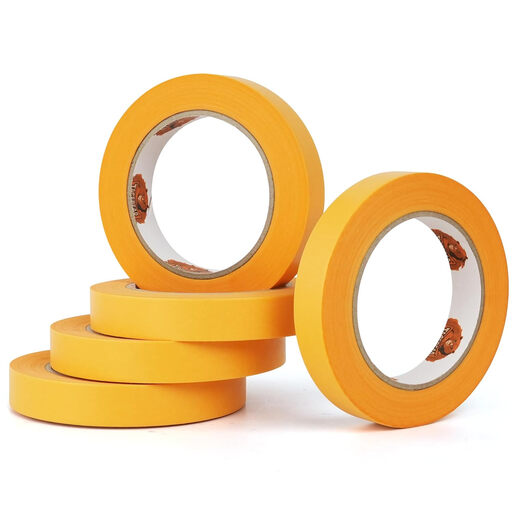
What sets it apart: This narrow version of the gold Washi tape is the tool of choice for detail and precision work. At just 19 mm wide, it allows for the exact masking of intricate patterns, tight curves, and narrow edges.
Advantages:
Who is it for? Ideal for furniture restorers, model builders, and creative painters who want to create complex patterns, sharp corners on trim, or fine lines in decorative projects.
The products featured here cover the most common use cases for painting jobs. However, the adhesive tape market offers solutions for many other specialized tasks. For example, if you are looking for double-sided tapes or other mounting solutions, other products might be of interest to you.
Discover additional options in our Reusable Hanging Tape category.
Painter's tape, also known as masking tape, is specifically designed for painting. Its adhesive is formulated to provide a secure hold during painting but allow for residue-free removal after the job is done, without damaging the surface. Many painter's tapes are also UV-resistant. Conventional packing or craft crepe tape often has a more aggressive adhesive that can leave residue or tear off paint and wallpaper.
The maximum duration varies by product and manufacturer. The TAPEBEAR products featured here have a specified clean removal time of 7 to 14 days. It is always advisable to follow the manufacturer's instructions. A good time to remove the tape is when the paint is dry to the touch but not yet fully cured. Pull the tape off slowly at a 45-degree angle.
For an exceptionally clean result, there's a simple technique: