
Lieferung heute & morgen

Qualitätsgarantie

Willkommens-Angebote freischalten: KOSTENLOSE Lieferung | Bis zu 80 % RABATT | Kostenlose 30-Tage-JoyPlus-Testphase
App herunterladen
A new painting project is on the horizon—the anticipation for fresh colours and a new sense of home is high. But that excitement can quickly fade if the result doesn't meet your expectations. Often, the cause isn't a lack of skill, but the wrong or low-quality painting supplies. Bristles stuck in fresh paint, rollers that splatter more than they coat, and putty knives that rust after the first wash are frustrating and costly problems.
As your Joybuy Product Recommendation Officer, I'll help you identify the common pitfalls when purchasing painting tools. We'll focus on the objective features that truly matter, ensuring your next project is a success—whether you're an occasional DIYer or a seasoned pro.
Before you invest, you should be aware of the three most common issues that lead to frustration and unnecessary expenses:
To avoid these problems, you should focus on a few crucial technical specifications. These determine the durability and functionality of your tools.
Choosing the right material is critical for a clean finish.
Durability and handling are directly dependent on the construction.
We have selected a few products from our range that are tailored to specific users and their projects, taking into account the quality features mentioned.
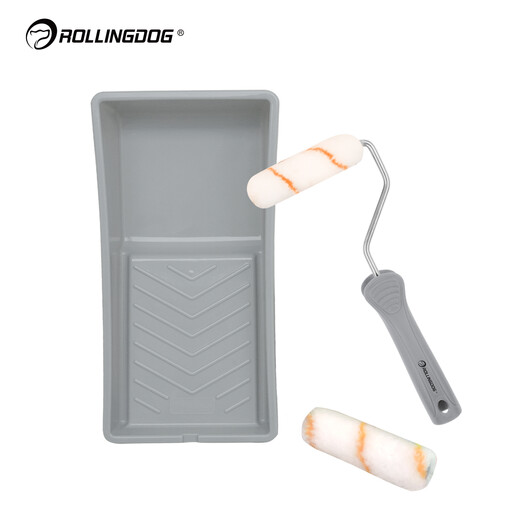
Why it's a good fit: Ideal for small renovation jobs, painting furniture, or creating accent walls. This set provides a complete starter kit for DIYers tackling a specific, manageable project.
This set prevents you from buying mismatched individual parts. The 12mm polyester rollers ensure even paint distribution on smooth to slightly rough surfaces, unlike cheap foam rollers that often splatter.
A complete 4-piece set that includes a paint tray, a roller frame, and two roller covers. The frame is compatible with standard 6mm extension poles.
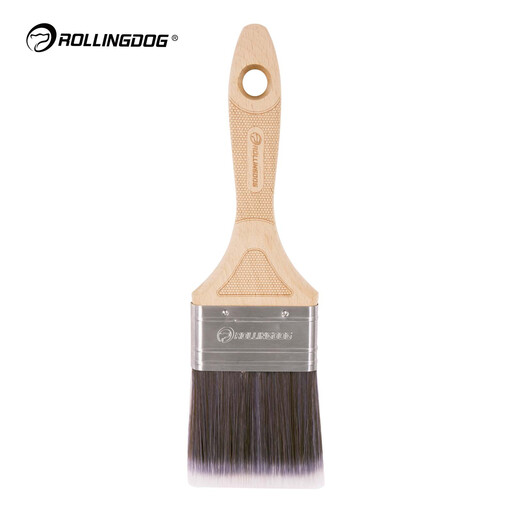
Why it's a good fit: For ambitious DIYers and professionals who want to paint large areas like walls and ceilings efficiently and with a professional, streak-free finish.
The solid, round polyester filaments with mechanically flagged tips hold a large amount of paint and release it evenly. This prevents the "single-use" effect of cheap brushes and reduces the frequency of re-dipping.
The ergonomic beechwood handle ensures comfortable use even during long projects. The stainless steel ferrule is durable and easy to clean.
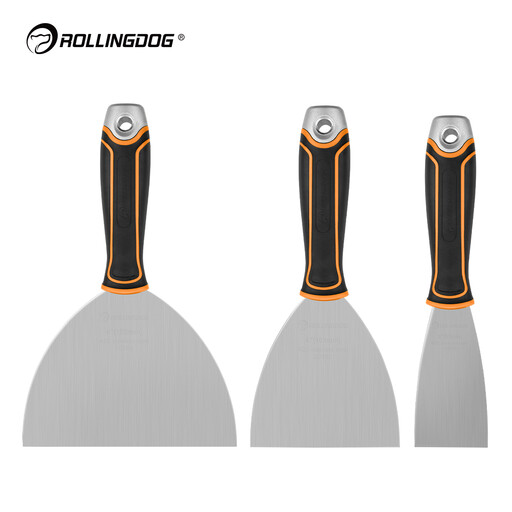
Why it's a good fit: Indispensable for anyone aiming to create a perfect surface. This set is suitable for drywall finishing, filling cracks and holes, and smoothing repair patches.
The blades are made of 420 stainless steel, which prevents rust spots after cleaning—a common problem with budget-friendly putty knives. The flexible, hollow-ground blades adapt perfectly to the surface.
The 3-piece set, with 2, 4, and 6-inch widths, covers all common applications. The handles are ergonomically designed and feature a robust metal hammer end cap.
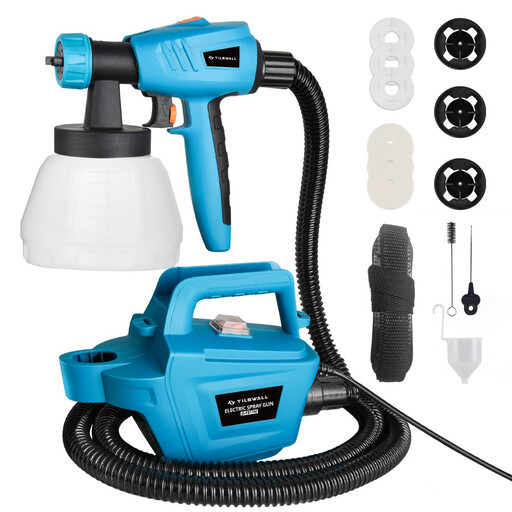
Why it's a good fit: For large projects like painting fences, garden sheds, or entire rooms where speed and an even coat are paramount. A paint sprayer system saves a significant amount of time.
Instead of tedious work with a roller, this system allows for fast and uniform paint application. The separate design of the motor and handset reduces the weight in your hand and prevents fatigue.
The system features 800W of power, three nozzles for different viscosities, and three adjustable spray patterns. The 2.5-meter hose provides excellent reach.
We have compiled a complete, up-to-date list of products that fully meet these strict selection criteria and quality standards.
1. How do you properly clean paint brushes and rollers to reuse them? For water-based paints, clean the tools thoroughly with warm water and a little soap immediately after use. Smooth out the bristles and let the brush dry flat or hanging. Paint rollers should also be washed out and hung up to dry. For solvent-based paints, use the cleaner recommended by the paint manufacturer.
2. Which brush is suitable for which type of paint? As a rule of thumb: brushes with synthetic bristles (e.g., polyester) are the universal choice for most modern paints, especially water-based acrylic and latex paints. They retain their shape and are durable. Natural bristle brushes were traditionally used for oil-based paints but are less suitable for water-based paints as they can swell.
3. How can I identify high-quality sandpaper? Look for three things: the abrasive grain, the bonding, and the backing material. Aluminum oxide is a durable and versatile abrasive grain for wood and metal. A synthetic resin bond ensures that the grains adhere firmly. A tear-resistant backing material (e.g., reinforced paper or fabric) and a hook-and-loop (Velcro) backing for orbital sanders are also signs of good quality and easy handling.