
Lieferung heute & morgen

Qualitätsgarantie

Willkommens-Angebote freischalten: KOSTENLOSE Lieferung | Bis zu 80 % RABATT | Kostenlose 30-Tage-JoyPlus-Testphase
App herunterladen
A new painting project is on the horizon—the anticipation for fresh, new walls is high. But that excitement can quickly fade if the result doesn't meet your expectations. Often, the problem isn't a lack of skill, but the wrong or low-quality painting supplies. Before you invest in tools, it's helpful to understand the common pitfalls that lead to frustration and unnecessary expenses.
As your Joybuy Product Recommendation Officer, I'm here to help you separate the wheat from the chaff. We'll look at what really matters to ensure your next renovation project goes off without a hitch.
The 3 Most Common Traps When Buying Painting Tools:
To avoid these mistakes, you should focus on a few basic but crucial product features. The right renovation accessories are the foundation for a successful outcome.
Choosing the right applicator is fundamental for achieving a smooth, even finish.
Careful preparation is half the battle. Without the right painting accessories, even the highest-quality paint won't deliver impressive results.
For large projects like painting entire rooms, facades, or long fences, a paint sprayer system can be a huge time-saver. Modern HVLP (High Volume, Low Pressure) systems reduce overspray and allow for a fast, even application of paint. Key features to look for are an adjustable paint flow, different nozzle sizes for various materials, and easy cleaning.
Here are some product recommendations tailored to specific needs and projects.
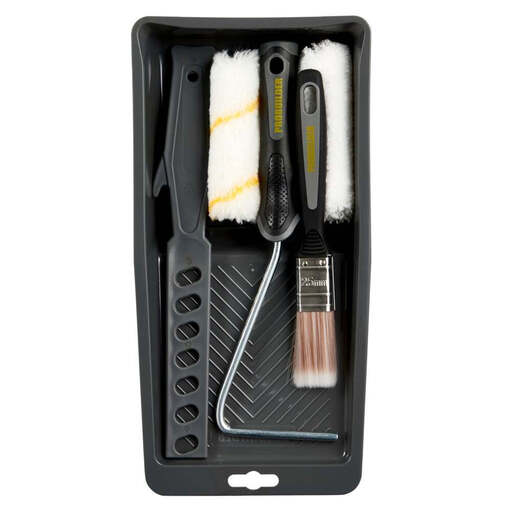
Why This Fits Their Persona: Ideal for smaller renovation jobs, painting a single room, or for touch-ups. This set provides a solid basic kit without forcing you to invest in superfluous individual parts.
It bypasses the oversized kit trap by focusing on the essentials. With two different roller types (microfibre and acrylic), it's also more flexible than simple single-use sets.
A complete set for small projects, including a paint tray, brush, and stirring stick. The soft-grip handle ensures comfortable use.
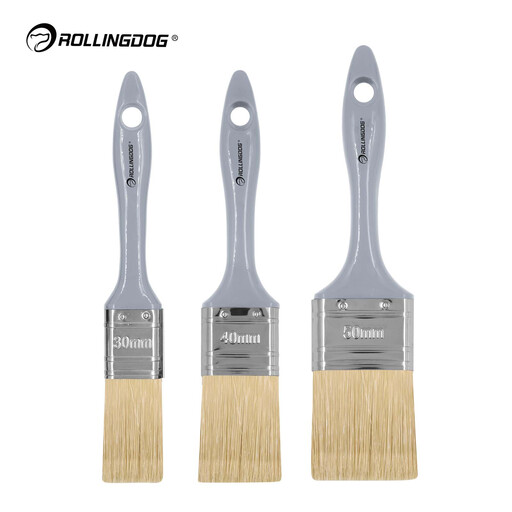
Why This Fits Their Persona: For DIYers who regularly tackle projects and value tools that last more than just one season. This set is designed for durability and a clean finish.
It directly counters the "single-use tool" dilemma. The stainless steel ferrules prevent rust, and the hollow synthetic filaments are specifically designed to not fall out and to release paint evenly.
The filaments hold more paint for an efficient application. The set includes three common sizes (30mm, 40mm, 50mm) for versatile use, from large surfaces to detail work.
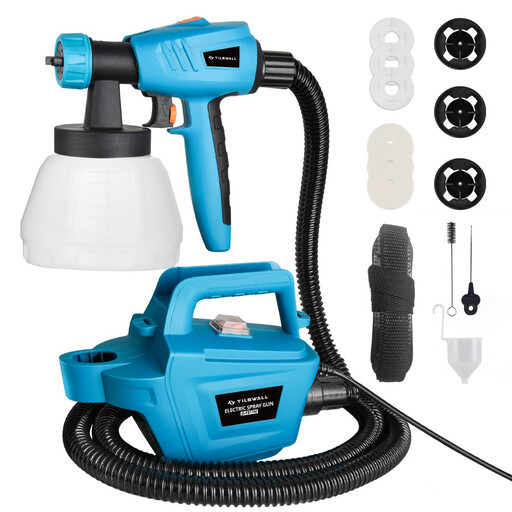
Why This Fits Their Persona: Perfect for painting large areas like fences, garden sheds, or entire walls. Anyone looking to work quickly and efficiently will find this a suitable tool that significantly reduces manual effort.
This is a specialised tool for a clear purpose, not an overpriced all-in-one kit. The split design with a separate motor reduces the weight in your hand, preventing fatigue during long sessions—a common drawback of cheap spray systems.
The 800W power and 1300 ml container allow for rapid work progress. Three nozzle sizes and three spray patterns offer flexibility for different paints and surfaces.
We've compiled a full, up-to-date list of products that fully meet these strict selection criteria and UK regulations.
The longevity of your tools heavily depends on proper care. For water-based paints, brushes and rollers should be thoroughly washed with lukewarm water and a little dish soap immediately after use until the water runs clear. A multi-function painter's tool can help scrape excess paint from rollers. Afterwards, let the tools air dry completely, preferably hanging or lying flat to maintain the shape of the bristles.
For most wall preparation tasks, such as smoothing minor imperfections or filled areas, a medium grit of 120 to 180 is ideal. It effectively smooths the surface without making it too rough. Start with a 120-grit for the initial sanding and, if necessary, use a 180-grit for a finer finish before priming.
Yes, paint sprayers are also suitable for interior walls, but they require careful preparation. All areas that should not be painted (floors, furniture, windows, sockets) must be thoroughly covered with plastic sheeting and painter's tape. A system with low overspray (HVLP) is preferable for indoor use. Also, ensure good ventilation in the room while you work.