
Lieferung heute & morgen

Qualitätsgarantie

Willkommens-Angebote freischalten: KOSTENLOSE Lieferung | Bis zu 80 % RABATT | Kostenlose 30-Tage-JoyPlus-Testphase
App herunterladen
A fresh coat of paint can breathe new life into any room. However, success largely depends on the quality of the painting supplies you use. Inferior tools not only lead to a poor finish but also cause frustration and unnecessary costs. This guide will help you navigate the typical pitfalls and select the right renovation accessories for your project.
When selecting painting supplies, several common traps can complicate a project. By knowing what they are, you can specifically look for durable and functional products.
To avoid these problems, you should pay attention to a few technical features before buying. These define the quality and intended use of the tool.
Choosing the right paint roller is critical for the final result. The cover material must be compatible with the paint and the texture of the wall.
Not all putty knives are created equal. The properties of the blade determine which task it is suited for.
For large walls, ceilings, or fences, a paint spray system can be a significant time-saver. Here, the power (watts) and the maximum flow rate (ml/min) are crucial. Models with a separate turbine and spray gun reduce the weight in your hand, allowing for less fatiguing work.
Different tools are suitable depending on the project and your standards. Here are some recommendations tailored to specific use cases.
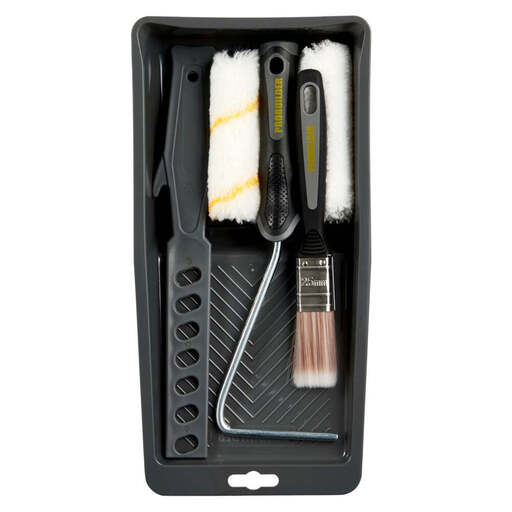
Why it's a good fit: Ideal for smaller renovation projects or repairs. This set provides a solid basic kit without needing to buy individual parts separately. It's perfect for renters painting a single wall or for lacquering radiators.
Instead of one low-quality universal roller, this set includes a microfibre and an acrylic roller. This equips you for both smooth and lightly textured surfaces, helping you avoid a lint-filled finish.
A complete 6-piece set including a paint tray, brush, and stirring stick. The ergonomic soft-grip handle ensures comfortable use.
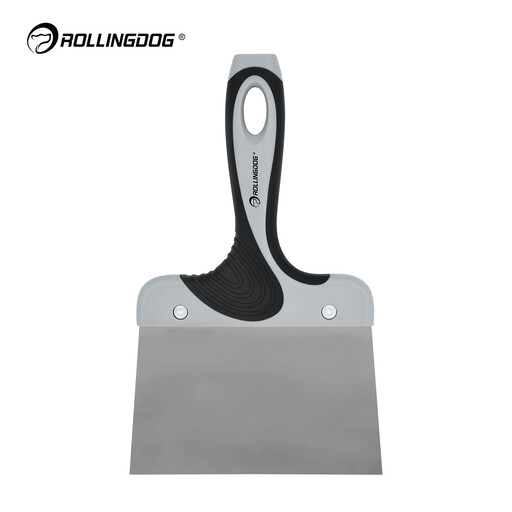
Why it's a good fit: For DIYers who value durability and professional results. Ideal for drywall jobs, filling cracks, or large-scale wall smoothing before painting. A tool that will last through many projects.
This taping knife bypasses the rust trap with a blade made of polished 420-grade stainless steel. It remains corrosion-resistant and ready for use even after repeated use and cleaning.
The flat, polished blade allows for even application and smoothing of filler. The ergonomic rubber grip reduces hand fatigue during extended work.
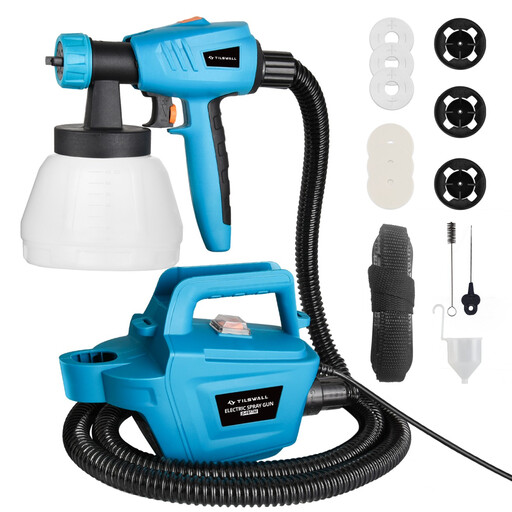
Why it's a good fit: For anyone who wants to paint large areas like entire rooms, facades, or long fences efficiently and with a uniform finish. This system significantly reduces the time and effort compared to traditional rolling.
The split design with a separate motor and a 2.5m hose reduces the weight of the spray gun. This prevents the rapid fatigue that is a common problem with heavy all-in-one devices.
The 800-watt motor and adjustable flow rate of up to 1100 ml/min enable high-speed work. Three nozzles and three spray patterns offer flexibility for different materials and surfaces.
We have compiled a complete, up-to-date list of products that fully meet these strict selection criteria and German safety regulations.
The reusability of a paint roller depends on its quality and proper cleaning. High-quality rollers made of polyamide or sheepskin can be used for several projects if cleaned thoroughly and immediately after use. Cheaper models or foam rollers are often designed for single use, as their structure can change during cleaning. Always clean the roller immediately with water (for emulsion paints) or a suitable solvent until no paint residue remains.
The rule of thumb is:
A paint spray system is worthwhile if you regularly paint large areas (e.g., entire rooms, fences, garden furniture) or want to achieve a particularly uniform finish without brush or roller marks. For a single wall or small touch-ups, the cleaning effort is often too high in relation to the time saved. For larger projects, however, the purchase pays for itself quickly through the enormous time savings.