
Lieferung heute & morgen

Qualitätsgarantie

Willkommens-Angebote freischalten: KOSTENLOSE Lieferung | Bis zu 80 % RABATT | Kostenlose 30-Tage-JoyPlus-Testphase
App herunterladen
By the Joybuy Product Recommendation Officer, August 29, 2026
A new painting project, whether for a single wall or a creative work of art, often begins with great enthusiasm. However, this can quickly turn to frustration when the result doesn't meet your expectations. Often, the cause isn't a lack of skill, but the wrong or inferior painting supplies. Before you invest in tools, it's helpful to know the common pitfalls that lead to wasted time and money.
Choosing the right painting tools is crucial for the success of your DIY projects.
To avoid the problems mentioned above, you should pay attention to a few fundamental technical features when selecting your painting supplies. These largely determine the quality and efficiency of your work.
The quality of a brush or paint roller depends directly on the material of its bristles or cover.
Proper preparation is the foundation for a professional result. Tools like putty knives and painter's tape play a central role here.
For larger projects, the question of the right method arises.
Based on these criteria, we have compiled a selection of products tailored to specific use cases.
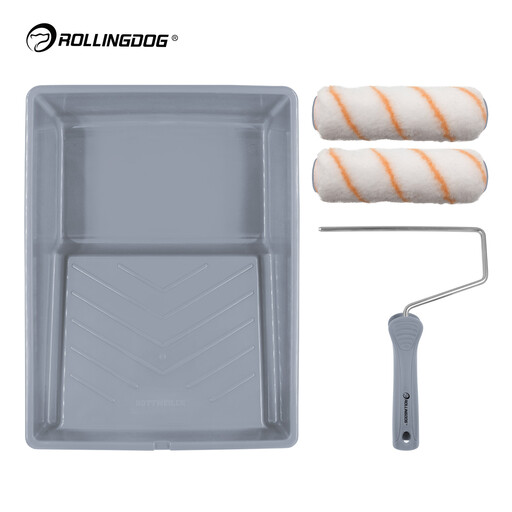
Why This Fits Their Persona: This set is ideal for DIYers who need a reliable all-purpose brush set for painting walls, ceilings, or even outdoor areas. It provides a solid foundation for common renovation jobs.
The polyester filaments are specially designed not to fall out. This prevents the problem of bristle loss in fresh paint and ensures a clean surface.
High paint pickup and even release for efficient work; ergonomic handle for comfort during longer projects.
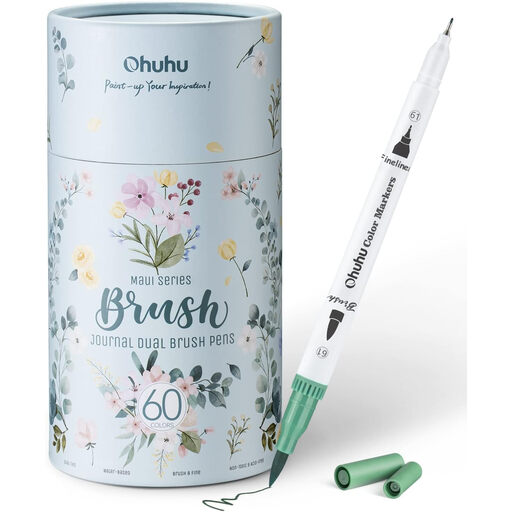
Why This Fits Their Persona: Perfect for illustrators, calligraphy enthusiasts, and anyone who loves to draw or journal. This set offers a wide color palette and precise tools for detailed artistic work. An easel or a good fineliner set are also often in demand here.
Unlike cheap felt-tip pens that dry out quickly or whose ink bleeds through paper, these Brush Pens use high-quality water-based ink and come with replacement tips, ensuring longevity and control.
Dual-tip design (0.4mm fineliner and 1-6mm brush tip) in 60 colors for maximum versatility; ink is blendable for watercolour effects.
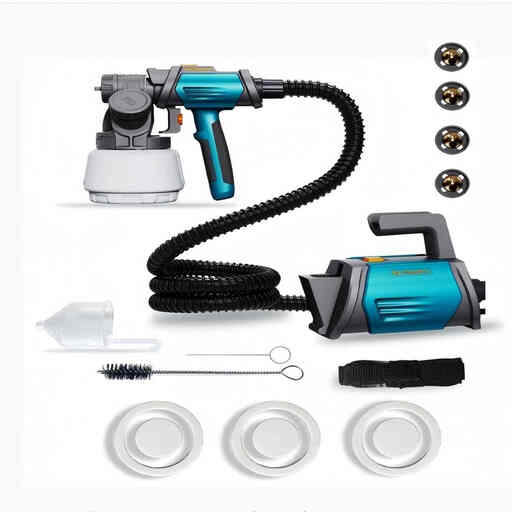
Why This Fits Their Persona: Ideal for large-scale projects like painting fences, decks, or multiple walls. This tool is designed for users who value speed and a uniform, professional finish.
It bypasses the tedious and often streaky results of using a paint roller on large or uneven surfaces. The HVLP system creates a fine spray mist that allows for even coverage without much effort.
Powerful 800W system that can handle paints with a viscosity of up to 120 DIN-s; 4 brass nozzles for different materials and 3 spray patterns for flexibility.
We've compiled a complete, up-to-date list of products that fully meet these strict selection criteria and applicable standards.
1. Which brush is suitable for which paint? For water-based paints like acrylic or latex, brushes with synthetic bristles (e.g., polyester, nylon) are the right choice as they don't absorb water and keep their shape. For solvent-based paints and varnishes, natural bristle brushes are often recommended because they absorb and release the paint well.
2. How do I choose the right painter's tape for my project? Check the manufacturer's specifications for suitability on certain surfaces. For freshly painted or delicate surfaces (e.g., wallpaper), use a low-tack tape (often labeled "sensitive"). For rough surfaces like plaster, you'll need a stronger-adhesion tape that can conform to the irregularities. If you're unsure, perform a test in an inconspicuous area.
3. When is it worth getting a paint sprayer? A paint sprayer is a worthwhile investment if you regularly paint large areas (e.g., entire apartments, fences, facades) or want to varnish many pieces of furniture. For the occasional job of painting a wall in a single room, a high-quality paint roller kit is usually sufficient and involves less clean-up. Weigh the time savings against the purchase and clean-up costs.