
Lieferung heute & morgen

Qualitätsgarantie

Willkommens-Angebote freischalten: KOSTENLOSE Lieferung | Bis zu 80 % RABATT | Kostenlose 30-Tage-JoyPlus-Testphase
App herunterladen
A fresh coat of paint can transform a room, but the final result depends heavily on the quality of the painting supplies used. Those who cut corners on brushes, rollers, and putty knives often face frustration with messy edges, loose bristles in the fresh paint, or tools that become unusable after just one project. However, selecting the right equipment doesn't have to be a challenge. This guide will help you avoid common purchasing pitfalls and find the right renovation accessories for your project.
Investing in the right painting tools pays off with a cleaner result and significant time savings. Pay attention to the following points to avoid making the wrong purchase:
To find the right tool for your project—whether it's painting a wall, smoothing surfaces, or applying lacquer—several technical features are crucial.
The longevity of your tools is primarily determined by the material.
Renovation work can be time-consuming. Tools that fit comfortably in the hand prevent fatigue and allow for more precise work.
Different tools are suitable depending on the project and user requirements. Here are some recommendations tailored to specific needs.
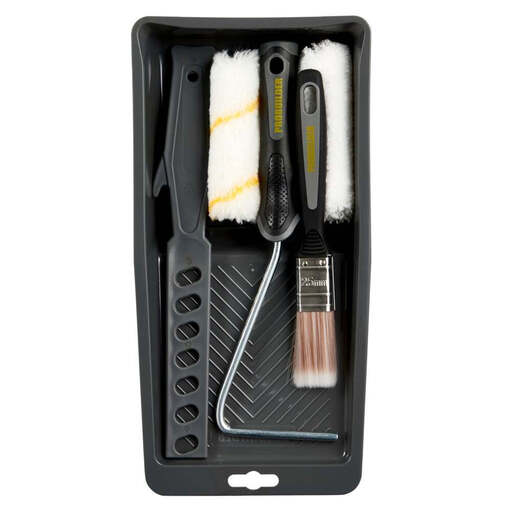
Why This Fits Their Persona: Ideal for DIY enthusiasts who need a quick and straightforward solution for minor renovations or touch-ups. This paint set contains the essential components to get started immediately.
Instead of buying individual, potentially incompatible tools, this set provides a coordinated basic kit. It includes two different roller types for smooth and lightly textured surfaces.
Complete 6-piece set including a paint tray, two 10 cm rollers, a handle, a flat brush, and a stirring stick. The soft-grip handle ensures comfortable use.
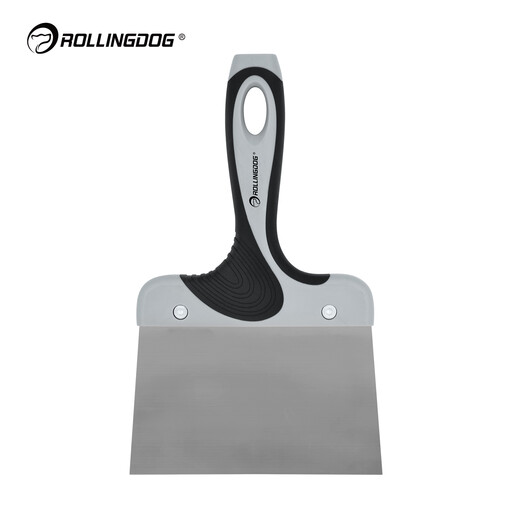
Why This Fits Their Persona: Suitable for demanding DIYers and professionals who aim for a perfect finish when filling joints or smoothing walls. This wall scraping tool is designed for durability and precision.
The blade, made of polished, corrosion-resistant 420 stainless steel, prevents rust and ensures a permanently smooth surface. The robust handle is securely attached to the blade.
The flat, polished blade allows for even application and smoothing of putty. The ergonomic rubber grip reduces hand fatigue.
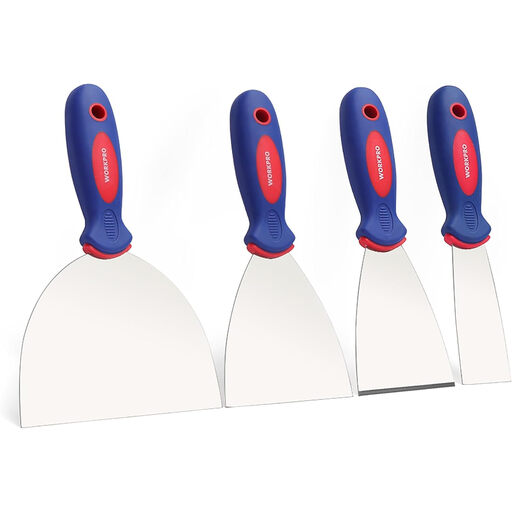
Why This Fits Their Persona: Perfect for users who regularly perform various filling, puttying, and scraping tasks and require a flexible toolset.
This set, made from high-quality, rust-proof stainless steel, prevents rust and loss of quality. It offers four different sizes, avoiding the compromise of using an unsuitable scraper for every job.
Four putty knives in 38, 75, 100, and 150 mm widths cover a wide range of applications. The ergonomic handles made of PP and TPR ensure comfort and control.
For a more comprehensive selection of tools suitable for wallpapering and renovation projects, you can browse our full collection.
Proper cleaning immediately after use is crucial for the longevity of your tools. For water-based paints and fillers, a thorough cleaning with warm water and a little soap is usually sufficient. For oil- or solvent-based products, you will need a suitable cleaner like mineral spirits. Carefully dry metal parts such as scraper blades and brush ferrules after cleaning to prevent corrosion, even on materials not explicitly labeled as rust-proof.
The choice of the right paint roller depends on the surface texture and the type of paint.