
Lieferung heute & morgen

Qualitätsgarantie

Willkommens-Angebote freischalten: KOSTENLOSE Lieferung | Bis zu 80 % RABATT | Kostenlose 30-Tage-JoyPlus-Testphase
App herunterladen
A fresh coat of paint can breathe new life into a room. However, the final result depends heavily on the quality of the painting supplies used. Dripping brushes, messy edges, or lint-shedding rollers can quickly spoil the joy of renovating. This guide introduces a selection of essential painting tools and explains which features are crucial for clean and efficient work. The goal is to provide you with a solid foundation for choosing the right equipment for your next project.
The range of painting tools is vast. To find the right products for your project, there are a few basic criteria to consider.
The type of paint and the texture of the surface determine whether a brush or a roller is the better choice, and what features they should have.
For sharp paint lines and to protect window frames, skirting boards, or light switches, good painter's tape is essential. Standard crepe tape is often not enough. Look for special painter's masking tape with the following properties:
The full scope of painting and renovation supplies also includes tools for preparation and cleanup. A multi-function painter's tool can be used to scrape old paint, fill holes, and clean rollers. Thoroughly cleaning your painting tools immediately after use ensures that brushes and rollers remain reusable and functional for future projects.
Based on functionality and material quality, we've compiled a selection of products suitable for typical DIY and professional painting jobs.
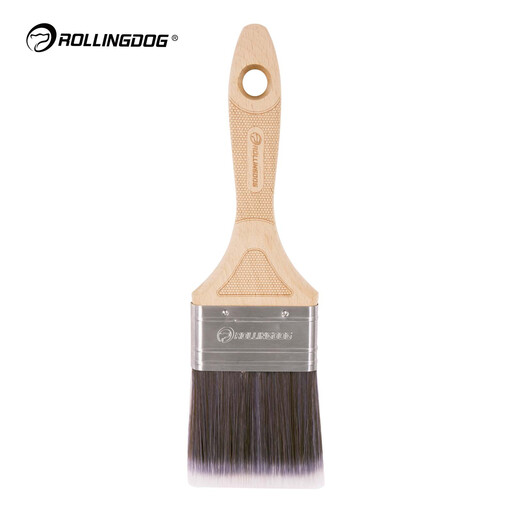
Why It Stands Out This 70 mm brush is designed for high paint pickup and smooth release. It combines solid, round, and tapered polyester filaments with machine-flagged tips, a rust-resistant stainless steel ferrule, and an ergonomic beechwood handle.
Advantages
Who It's For Users painting large areas like walls, doors, or ceilings who value efficiency and a professional result. It's suitable for both broad-stroke coverage and precise finishing work.
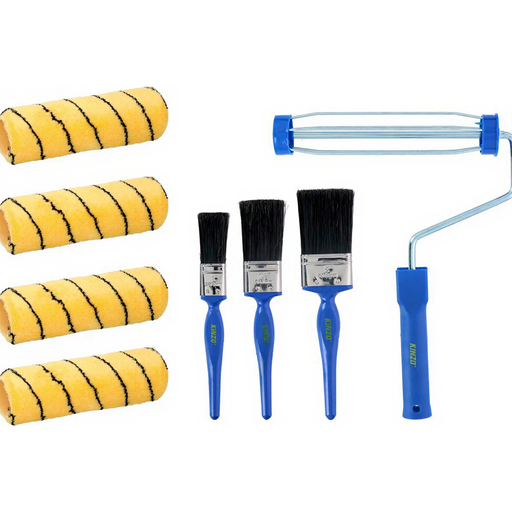
Why It Stands Out This set offers a complete solution for various interior painting projects. It combines tools for large surfaces with brushes for detail work, making it a practical starter kit.
Advantages
Who It's For DIYers looking for a complete set of wall painting accessories for various tasks like painting interior walls, doors, or stairs, and who prefer an all-in-one solution.
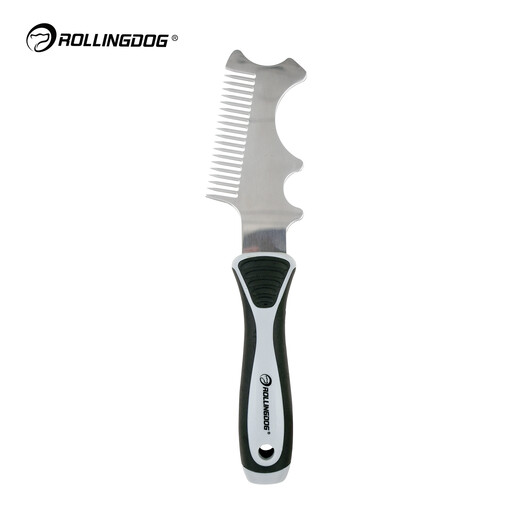
Why It Stands Out This tool combines multiple functions in one design, engineered to simplify cleanup after painting. It serves as a scraper, can opener, and cleaner for rollers and brushes.
Advantages
Who It's For Both professionals and DIYers looking for a practical painter's tool to extend the life of their equipment through quick and thorough cleaning.
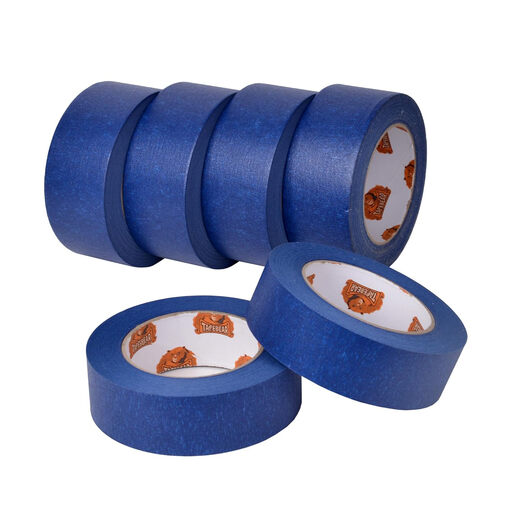
Why It Stands Out This blue painter's tape is specifically designed for clean paint lines and residue-free removal. It comes in a convenient 6-pack and is suitable for both indoor and outdoor use.
Advantages
Who It's For Users who prioritise extremely clean paint lines for interior and exterior renovation projects and need a reliable tape that won't damage surfaces.
The selection presented here covers the basic requirements for many painting projects. However, if you're looking for specialised tools or a wider selection of rollers, it's worth exploring our broader range.
Discover our full range of Paint Rollers.
For a typical wall painting project, you'll need the following basic kit: a paint roller with a matching tray, a smaller brush for corners and edges, drop cloths or dust sheets to protect floors and furniture, painter's tape for masking edges, and filler and sandpaper to prepare the wall surface.
The rule of thumb is: brushes with synthetic bristles (e.g., polyester, nylon) are ideal for water-based paints like most wall emulsions, as they don't swell and distribute paint evenly. Brushes with natural bristles are better suited for oil- or solvent-based varnishes, as they hold paint well and help create a smooth finish.
For optimal results, painter's tape should be removed while the paint is still slightly damp but has started to dry. If you pull the tape off too early, the wet paint can run. If you wait too long until the paint is completely dry, you risk peeling off parts of the new paint coat with the tape. Products like the TAPEBEAR tape are designed, according to the manufacturer, to adhere for up to 14 days without leaving residue.