
Lieferung heute & morgen

Qualitätsgarantie

Willkommens-Angebote freischalten: KOSTENLOSE Lieferung | Bis zu 80 % RABATT | Kostenlose 30-Tage-JoyPlus-Testphase
App herunterladen
A fresh coat of paint can transform a room, but the project often fails due to the wrong equipment. We've all been there: annoying bristles in the fresh paint or uneven streaks on the wall because the roller doesn't release paint properly. These problems are not only frustrating but also cost time and money. The selection of painting supplies is vast, and marketing promises don't make the decision any easier.
Before you invest in new painting tools, it's helpful to know the most common pitfalls that lead to frustration and unnecessary expenses:
To avoid these problems, you should focus on a few fundamental, objective features. These will help you assess the quality of renovation accessories regardless of advertising claims.
The material that applies the paint is crucial for the final result.
A good painting tool not only feels good in your hand but is also designed for durability.
The choice of tool depends on the size and nature of the project.
Based on these objective criteria, we have selected a few products from our range that are suitable for different requirements and projects.
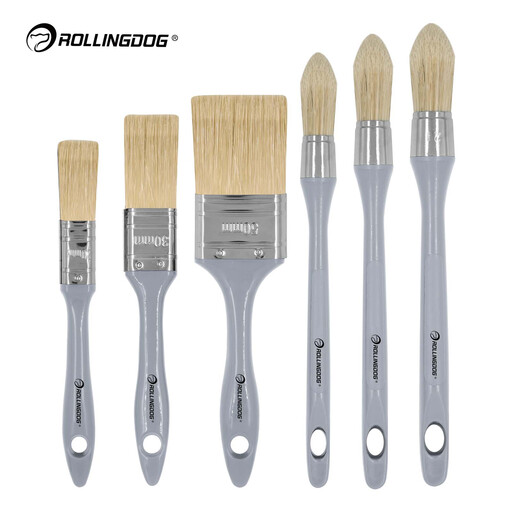
Why it's a good fit: Ideal for first-time renovators or for households that need a versatile set for occasional painting jobs. With flat and round brushes, it covers various tasks, from painting a wall to touching up details on furniture.
The solid ferrules and durable synthetic filaments reduce the risk of bristle loss. Since the set is suitable for all paint types, it bypasses the pitfall of material incompatibility.
The set includes 3 flat brushes (20mm, 30mm, 50mm) for surfaces and 3 round brushes (15mm, 18mm, 21mm) for detail work, offering great flexibility.
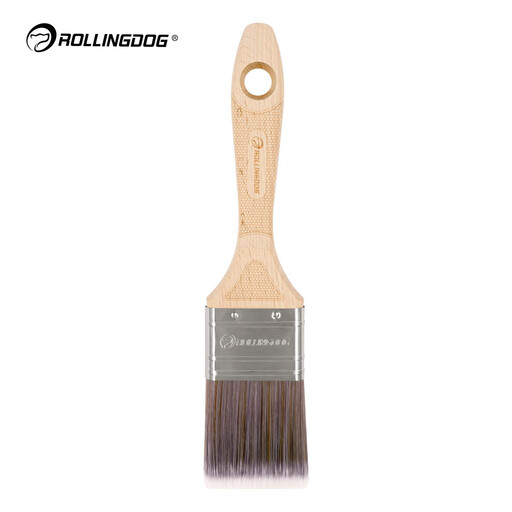
Why it's a good fit: For users who value a flawless finish, especially on visible surfaces like doors, trim, or furniture. A specialised tool for precise results.
The combination of solid, tapered filaments, a stainless steel ferrule, and a beechwood handle is designed for performance and durability, actively countering the problem of bristle loss.
The machine-flagged filament tips are optimised for high paint pickup and smooth release, resulting in a smooth finish. The ergonomic wooden handle ensures control.
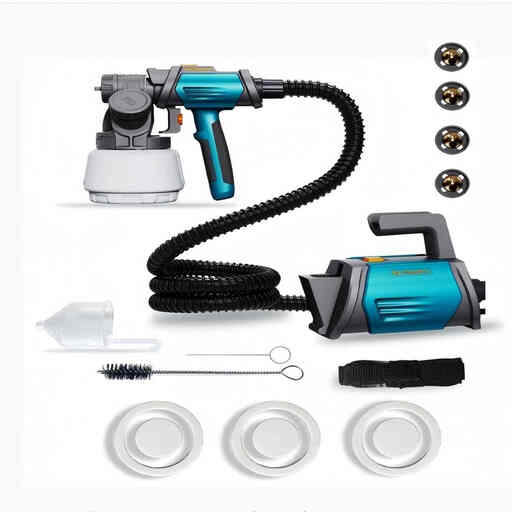
Why it's a good fit: Perfect for large projects where time is a critical factor. Painting walls, ceilings, or garden fences is significantly faster, while still achieving an even finish.
As a specialised power tool, it's the opposite of an ineffective multi-function gadget. It is designed for a single task—rapid paint application—and performs it with high efficiency.
The 800W HVLP system handles paints with a viscosity up to 120 DIN-s. Four brass nozzles and three spray patterns offer adaptability for different surfaces and materials.
We have compiled a complete, up-to-date list of products that fully meet these strict selection criteria and safety standards.
How do you clean paint brushes properly to extend their lifespan? Proper cleaning is crucial. For water-based paints, wash the brush thoroughly with lukewarm water and a little soap immediately after use until the water runs clear. For oil- or solvent-based paints, use a suitable brush cleaner or mineral spirits according to the manufacturer's instructions. Afterwards, reshape the bristles into their original form and let the brush dry flat or hanging.
What painting supplies are essential for painting ceilings? For ceilings, a high-quality paint roller (approx. 18-25 cm wide) with an extension pole is essential to work without straining your back. Additionally, you'll need a smaller brush or a corner roller for the edges, drop cloths for floors and furniture, and high-quality painter's tape for clean masking around walls and light fixtures.
Do I need to thin paint for a paint sprayer system? That depends on the viscosity (thickness) of the paint and the specifications of the paint sprayer. Many modern wall paints are too thick for direct use. Most paint sprayers, like the Tilswall model, come with a viscosity cup. You measure the time it takes for the paint to flow through the cup and then thin it (usually with water) according to the user manual until the correct viscosity is reached. A test spray on a piece of cardboard is always recommended.