
Lieferung heute & morgen

Qualitätsgarantie

Willkommens-Angebote freischalten: KOSTENLOSE Lieferung | Bis zu 80 % RABATT | Kostenlose 30-Tage-JoyPlus-Testphase
App herunterladen
A fresh coat of paint can breathe new life into a room, but the path to a perfect finish is often fraught with pitfalls. Paint splatters on the floor, messy edges, or sticky residue from tape can mar the result and increase your workload. Choosing the right painting supplies isn't just a detail—it's the foundation for a professional outcome, whether you're a seasoned DIY enthusiast or a professional contractor.
As your Joybuy Product Recommendation Officer, I've made it my mission to help you navigate the vast world of renovation supplies. This guide introduces a curated selection of materials and provides practical criteria to ensure your next project is clean, efficient, and delivers precise results.
The quality of your work depends directly on the materials you use. Before making a decision, consider the following points to find the right painting supplies for your project.
Protecting furniture and floors is a fundamental first step. A simple dust sheet is often sufficient to shield items from dust. For painting jobs, however, a pre-taped masking film is a far more efficient solution. These products combine a protective film with a pre-attached adhesive strip, allowing you to mask and cover in a single step. Pay attention to the film's width to ensure you can seamlessly protect large areas like entire walls or pieces of furniture.
The choice of tape determines the sharpness of your paint lines and the amount of cleanup required afterward.
A crucial quality indicator is the balance between strong adhesion and clean removability. Check the product description for details on the maximum application time. High-quality painter's tape can often be removed without residue even after several days (e.g., 14 days). This gives you the flexibility to stretch projects over multiple days without having to re-tape.
Based on objective product features, we have compiled a selection of materials suitable for typical renovation and painting projects.
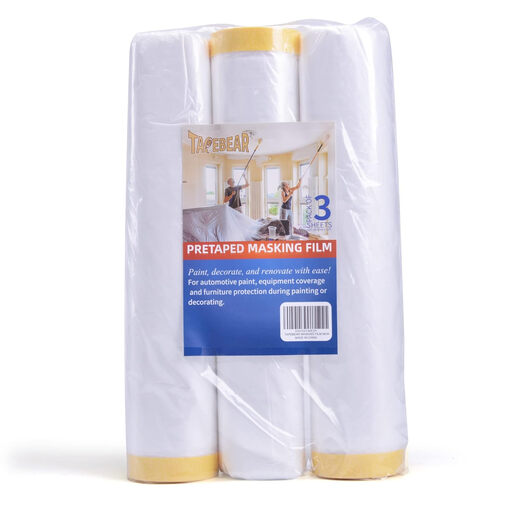
Why It Stands Out: This product combines an extra-wide protective film with an integrated adhesive tape. The width of 2600 mm allows for covering large areas such as entire furniture sets, floor sections, or vehicles in one go, which significantly reduces preparation time.
Advantages:
Who It's For: Users who need to efficiently and completely protect large areas or bulky items during renovation, painting, or construction projects. Ideal for covering furniture, carpets, floors, and vehicles.
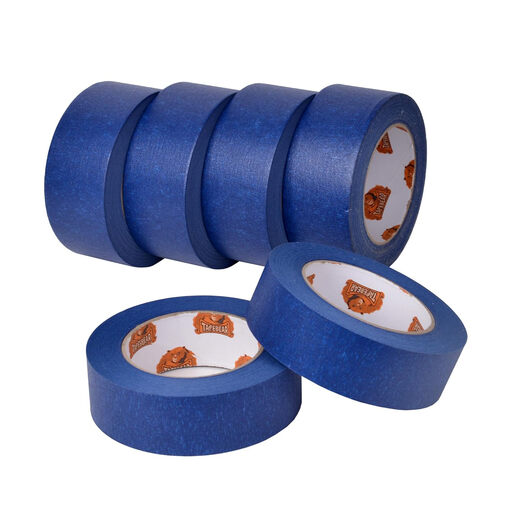
Why It Stands Out: This painter's tape is specifically designed for creating sharp paint lines. Its UV resistance and 14-day clean removal make it a reliable choice for both interior and exterior projects.
Advantages:
Who It's For: DIY enthusiasts and professional painters who value exact, clean paint lines and need a reliable masking tape for various surfaces, both indoors and out.

Why It Stands Out: This duct tape offers a heavy-duty thickness of 9 mil (0.23 mm) and strong adhesion from a natural rubber-based adhesive. Despite its robustness, it can be torn by hand and removes cleanly from most surfaces.
Advantages:
Who It's For: Users who need a versatile and robust repair tape for general repairs, bundling, sealing, or fastening tasks around the home, in the workshop, or on the construction site.
The products featured here cover key applications for painting supplies. However, if you are looking for specialized solutions, such as tapes for hanging pictures without drilling, you can find more products in our category.
? Explore our range of removable picture hanging strips here
1. Which tape is best for sharp paint lines? For sharp paint lines, a special painter's tape or fine-line masking tape is the right choice. These tapes have low stretch and a special coating that prevents paint from seeping under the tape. Look for products explicitly labeled as "tape for sharp lines."
2. How long can you leave painter's tape on a wall? The maximum application time depends on the product. Standard masking tapes should often be removed within 24 to 48 hours. Higher-quality painter's tapes, especially those with UV protection, can remain on the surface for up to 14 days or longer without leaving residue, according to the manufacturer. Always check the product information.
3. What is the difference between duct tape and fabric tape? The terms are often used interchangeably, but they essentially refer to the same thing: a strong, often waterproof adhesive tape with fabric reinforcement. Duct tape is a type of fabric tape. Both are known for their high tear resistance and adhesive strength, making them ideal for repairs, fastening, and sealing, but not for creating clean paint lines in painting projects.