
Lieferung heute & morgen

Qualitätsgarantie

Willkommens-Angebote freischalten: KOSTENLOSE Lieferung | Bis zu 80 % RABATT | Kostenlose 30-Tage-JoyPlus-Testphase
App herunterladen
A fresh coat of paint can completely transform a room, but the final result depends heavily on the quality of the painting tools used. Those who cut corners here risk not only a sloppy finish but also frustration and having to do the work all over again. As your Joybuy Product Recommendation Officer, I'll help you navigate the common pitfalls and find the right tools for your project.
Many DIY enthusiasts know the problem: you invest in expensive paint but grab a cheap brush set, only to get annoyed later by bristles stuck in the fresh paint. Or the new paint roller leaves unsightly streaks and patches on the wall. These frustrations can often be traced back to three common product defects:
To avoid these problems, it's important to pay attention to a few fundamental technical features before you buy.
Instead of being swayed by marketing promises, you should focus on the objective properties of the tools. Three factors are particularly critical for achieving a flawless finish.
The right painting tool starts with the brush. The choice of bristles is crucial for the final result and depends on the type of paint you're using.
For painting large areas like walls and ceilings, a paint roller set is essential. The key to a streak-free finish lies in choosing the right nap height.
The material of the roller cover (e.g., polyester, polyamide) also determines how well the paint is picked up and how little it splatters during application.
A good renovation toolkit also includes helpers like putty knives or multi-purpose scrapers. Here, two aspects are crucial:
Based on these objective criteria, we have put together a selection of painting tools suitable for various needs and projects.
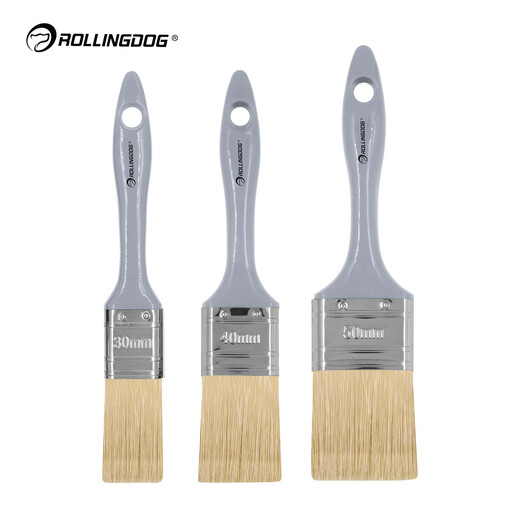
Why This Fits Their Persona: This set provides the three most common brush sizes (30mm, 40mm, 50mm), making it a solid starter kit for smaller renovation jobs, painting furniture, or precise touch-ups without having to invest in an oversized set.
The 100% hollow synthetic filaments pick up paint efficiently and release it evenly. This counteracts the problem of bristle loss and messy results common with many budget brush sets.
The rust-proof stainless steel ferrules prevent corrosion and ensure a durable, stable bristle setting. The hollow filaments allow for a drip-free application.
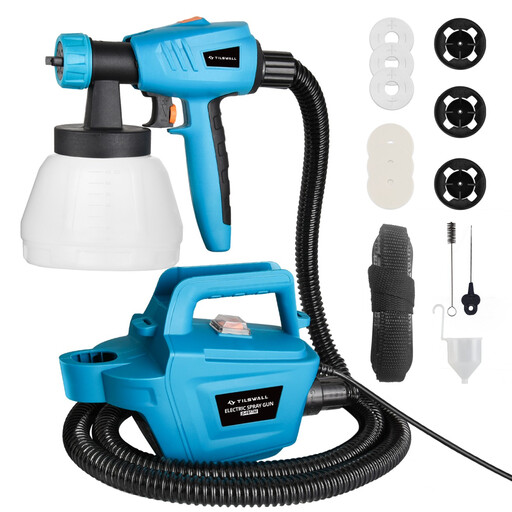
Why This Fits Their Persona: For painting entire rooms, ceilings, or fences quickly and efficiently, a paint spray system is the right choice. It saves a significant amount of time on large, continuous surfaces compared to a paint roller.
Unlike paint rollers, which can lead to visible lap marks and streaks if used incorrectly, a paint spray system creates a very even and uniform surface. The adjustable flow control also prevents runs and drips.
The split design with a hose reduces the weight held in the hand, enabling fatigue-free work. Three nozzles and three spray patterns offer flexibility for different materials and surfaces.
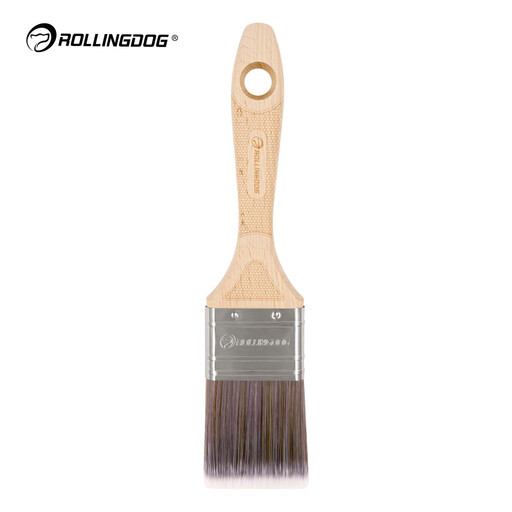
Why This Fits Their Persona: Anyone who values perfect edges, clean finishes around window frames, or a flawless finish on furniture needs a brush that delivers precision. This specialty tool is designed for exactly these demanding tasks.
The solid, tapered filaments with machine-flagged tips prevent the brush edge from fraying and ensure extremely controlled paint release. The result is sharp lines instead of messy transitions.
The ergonomic beechwood handle fits comfortably in the hand, allowing for precise, fatigue-free work. The rust-proof stainless steel ferrule ensures the tool's high quality and longevity.
We have compiled a complete, up-to-date list of products that fully meet these strict selection criteria and all applicable safety regulations.
1. How do I clean my painting tools correctly to extend their lifespan? Proper cleaning is crucial. For water-based paints (latex/acrylic), brushes and rollers should be washed immediately after use with lukewarm water and, if necessary, a little dish soap until the water runs clear. For solvent-based paints, use a suitable brush cleaner or mineral spirits. Afterwards, squeeze out the excess, reshape the bristles, and let the tools dry flat or by hanging them up.
2. What is the best tool for painting corners and edges? For precise lines at transitions to walls, ceilings, or around window frames, special angled brushes (also called cutting-in brushes) or high-quality small flat brushes are ideal. Their shape allows for very controlled handling. For an exact separation between two paint colours, a flexible putty knife can also be used as a guide.
3. Is it worth buying a paint spray system for a single room? A paint spray system is most efficient on large, uninterrupted surfaces. For a single, average-sized room, it can be worthwhile if the walls are clear and easily accessible. However, you shouldn't underestimate the effort required for masking off windows, doors, and furniture, as well as cleaning the device afterwards. For very small or awkwardly shaped rooms, the time saved is often minimal compared to the prep and cleanup effort.