Choosing the right Pampers diapers can be a challenge given the many different lines, sizes, and pack formats. Many parents find that the wrong choice not only leads to discomfort for their baby but also to unnecessary costs. This guide will help you avoid the most common pitfalls and make an informed decision.
As a Joybuy Product Recommendation Officer, I'll analyse the facts for you and show you what really matters when making your choice.
The 3 Most Common Mistakes When Buying Diapers
Before we dive into the details, let's look at the typical problems parents experience when buying diapers. Knowing them is the first step to avoiding them.
- Relying solely on the weight recommendation: The kilogram specification on the package is just a guideline. A baby might be within the weight range but need a different size due to their body shape (e.g., a round tummy or chubby thighs). This often results in frequent leaks and red pressure marks.
- Not understanding the differences between product lines: "Premium," "Dry," "Pants"—the names sound promising, but the specific benefits are often unclear. If you don't know which line is designed for which need, you might pay for features you don't require or miss out on important functions.
- Buying small packs: While convenient, spontaneously buying small diaper packs at the supermarket leads to significantly higher costs per diaper in the long run. The savings from buying in bulk, such as a Pampers monthly box, are often underestimated.
What Matters When Choosing Pampers Diapers
To avoid making the wrong purchase, you should consider three key parameters: the fit, the specific product line, and skin compatibility.
1. The Right Size: Fit Over Weight
The correct diaper size is crucial for leak protection and comfort. While weight is a good starting point, you should check the fit regularly.
- Waistband: You should be able to comfortably fit two fingers between your baby's tummy and the waistband. If it's tighter, it can cause pressure marks. If it's looser, the diaper might slip.
- Leg Cuffs: The cuffs should fit snugly around the thighs without digging in. Gaps around the legs are one of the most common causes of leaks.
- Coverage: The diaper should completely cover your baby's bottom. If it's just barely fitting, it's time for the next size up, for example, switching to size 4 diapers or size 5 diapers.
- Wetness Indicator: Many Pampers models feature a strip that changes colour when it comes into contact with moisture. This is especially helpful for newborns, as it allows you to know when it's time for a change without having to open the diaper.
2. The Product Lines: Premium Protection, Baby-Dry, and Pants
Pampers offers different lines tailored to various needs.
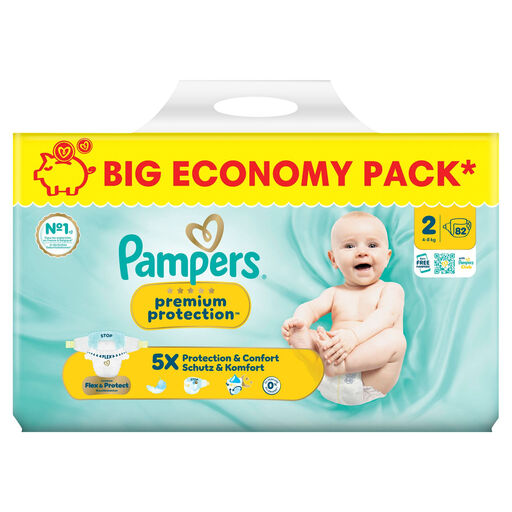
- Pampers Premium Protection: This line is designed for maximum comfort and protection, making it ideal for diapers for sensitive skin. It uses extra-soft materials and a special Dermacomfort liner that quickly wicks moisture and soft stool away from the skin. According to the manufacturer, they are the #1 choice in German maternity wards (based on distribution data from February 2025).
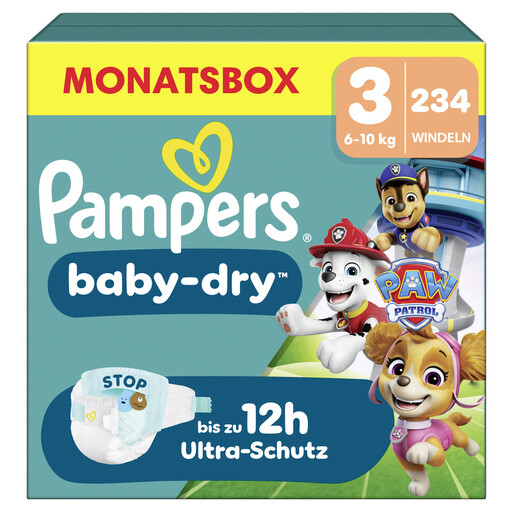
- Pampers Baby-Dry: The focus of this line is on long-lasting dryness, especially overnight. An absorbent core reliably locks away moisture. Models like Pampers Baby Dry also feature a "Stop & Protect Pocket" at the back, which provides extra protection against leaks.
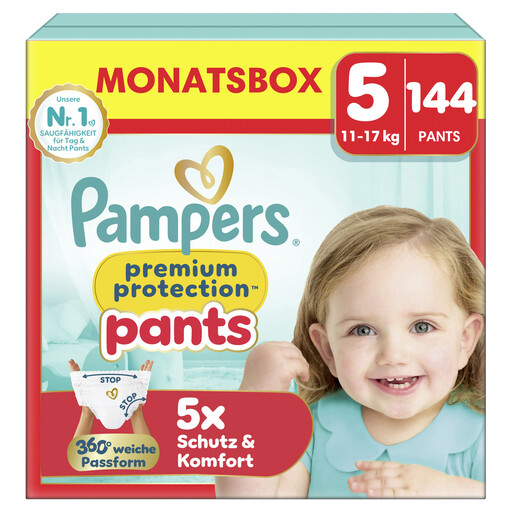
- Pampers Pants: Once your baby becomes more active and changing them while they're lying down becomes a test of patience, diaper pants are a practical alternative. Pampers Pants are pulled up like underwear and torn at the sides for easy removal. A 360° waistband ensures a secure fit with every movement.
3. Skin Compatibility and Certifications
A baby's skin is particularly sensitive. Look for objective criteria regarding skin compatibility.
- OEKO-TEX STANDARD 100: This label confirms that the diapers have been tested for a list of potentially harmful substances.
- 0% EU Perfume Allergens: Pampers states that, in accordance with the EU Cosmetics Regulation, none of the 26 declarable EU perfume allergens are intentionally added.
- Dermatologically Tested: This seal, often in collaboration with institutes like the Skin Health Alliance, confirms skin compatibility under dermatological supervision.
Right Picks For You
Here are some recommendations tailored to typical parent profiles.
IDEAL FOR: Parents of Newborns with Sensitive Skin
Why it fits the profile: In the first few months of life, a baby's skin is at its most sensitive. This diaper is specially designed for the protection and comfort of newborns, combining soft materials with high absorbency.
How it avoids the pitfall
Specifically addresses the need for skin protection rather than relying on a generic product name. The Premium Protection line is clearly positioned for sensitive skin.
Key Benefit & Pro-Points
The Dermacomfort inner liner wicks moisture away from the skin quickly. The wetness indicator shows when a change might be due.
IDEAL FOR: Budget-Conscious Planners
Why it fits the profile: Those who plan ahead and value good value for money will benefit from buying a monthly box. It lowers the price per diaper and saves frequent shopping trips.
How it avoids the pitfall
Directly counteracts the cost trap of small packs. Buying in bulk is not only practical but also economical, especially if you're looking for diapers on sale.
Key Benefit & Pro-Points
One box covers the needs for up to a month. The Baby-Dry line offers reliable leak protection for day and night.
IDEAL FOR: Parents of Active Toddlers
Why it fits the profile: For toddlers exploring the world, freedom of movement is everything. Diaper pants are quick to put on and offer a secure fit that doesn't slip, thanks to the flexible waistband.
How it avoids the pitfall
Solves the fit problem for active children. Conventional diapers can slip with a lot of movement, while Pants stay secure with their 360° fit.
Key Benefit & Pro-Points
Easy to put on and take off by pulling up and tearing the sides. The soft waistband prevents pressure marks during movement.
Looking for more options?
We have compiled a complete, up-to-date list of products that meet these strict selection criteria and safety requirements.
Frequently Asked Questions (FAQ)
When is the right time to move up to the next diaper size?
Look out for the following signs:
- Frequent leaks: If the diaper can no longer handle the amount of liquid, it may be too small.
- Red pressure marks: Marks on the tummy or thighs indicate that the diaper is too tight.
- Difficulty fastening: If the adhesive tabs barely reach the middle, it's time for a change.
- Insufficient coverage: The diaper should completely cover the bottom.
What is the main difference between Pampers Premium Protection and Baby-Dry?
Pampers Premium Protection focuses on maximum softness and skin protection, making it a great choice for newborns and babies with very sensitive skin. The special inner liner is designed to immediately wick moisture and soft stool away from the skin. Pampers Baby-Dry is primarily optimised for long-lasting dryness and leak protection, especially overnight. Its absorbent core is designed to absorb and securely lock in large amounts of liquid.
Are Pampers monthly boxes worth it financially?
In most cases, yes. The price per diaper in a Pampers monthly box is typically much lower than in smaller packs. You also save time and the effort of frequent shopping trips. It's an efficient way to secure your diaper supply while being mindful of your budget. Whether you want to buy diaper pants or stock up on standard diapers, monthly boxes are often the most economical option.