
Lieferung heute & morgen

Qualitätsgarantie

Willkommens-Angebote freischalten: KOSTENLOSE Lieferung | Bis zu 80 % RABATT | Kostenlose 30-Tage-JoyPlus-Testphase
App herunterladen
Choosing the right diaper is one of the recurring tasks of parenthood. Given the wide variety of Pampers diapers—from different product lines to various sizes and pack formats—it's understandable that the decision isn't always easy. The wrong choice not only leads to discomfort for your child but also to unnecessary expenses. This guide will help you avoid the most common pitfalls and make an informed decision.
Before diving into the details, it's helpful to know the typical mistakes that often lead to frustration and full laundry baskets.
To find the perfect diaper, you should consider three core parameters. These will help you filter the product range effectively.
The right size is the foundation for leak protection and comfort. In addition to the weight recommendation, look out for these signs:
Common sizes like Size 4 diapers or Pampers Size 5 cover a broad developmental stage, but the transition should always be based on the individual fit.
Pampers offers different lines tailored to specific needs. The two most well-known are:
Diapers are a constant consumable item. Buying bulk packs, such as a diaper monthly box, can significantly reduce the cost per diaper. These value packs are not only budget-friendly but also reduce the frequency of your shopping trips. Keep an eye out for diapers on sale to save even more once you've found the right size and type for your child.
To make the selection easier, we have matched some products to different requirement profiles.
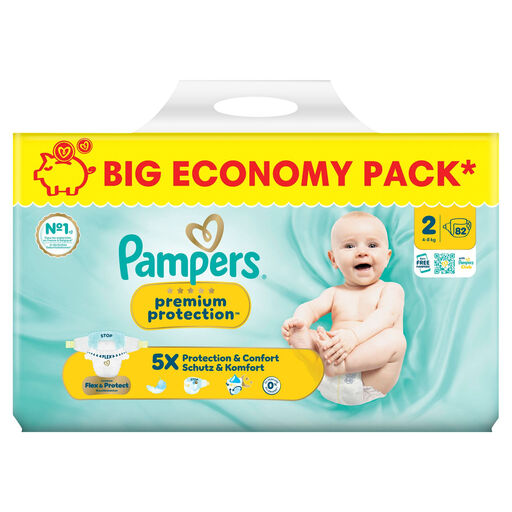
Why this product is a good fit: Developed for the sensitive skin of newborns. The materials are exceptionally soft, and the fit is designed for the typical body shape of infants to minimise irritation.
Addresses the fit issue for infants with flexible cuffs and a special inner fleece that ensures dryness, even with looser stools.
The DermaComfort inner fleece quickly wicks moisture away from the skin. The wetness indicator shows when a change might be due.
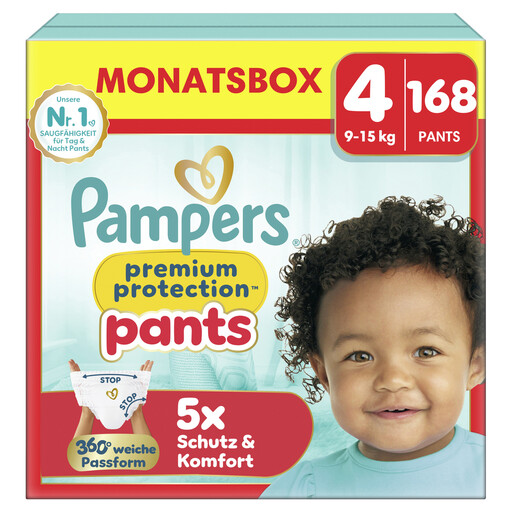
Why this product is a good fit: Ideal for children who are becoming mobile and won't stay still during changes. The pants pull up like underwear, making standing changes easier.
Solves the "right time" problem for switching, as they are designed for the typical phase of increasing mobility. The 360° waistband adapts to movement.
Easy to put on and take off with tear-away side cuffs. The monthly box also offers a cost advantage for high consumption.
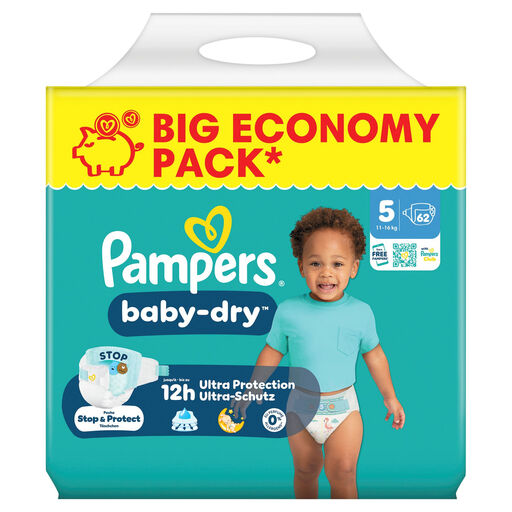
Why this product is a good fit: Designed for long-lasting dryness, especially overnight. The absorbent core is engineered to continuously absorb and lock in liquid.
Debunks the assumption that any diaper is a good night diaper. The "Stop & Protect" pocket and double leg cuffs provide targeted protection against leaks while lying down.
The fast-absorbing core provides up to 100% leak protection overnight (according to the manufacturer) and supports a peaceful sleep for both child and parents.
We have compiled a complete, up-to-date list of products that fully meet these strict selection criteria and UK safety regulations.
1. How do I know if the Pampers diaper is too small or too large? A diaper that is too small will leave red marks on the tummy and legs and won't fully cover the bottom. A diaper that is too large will have visible gaps at the leg cuffs or waistband, leading to frequent leaks. The diaper should fit snugly but not restrict movement.
2. What is the difference between Pampers Premium Protection and Pampers Baby-Dry?Pampers Premium Protection focuses on skin protection and softness, making it ideal for the sensitive skin of newborns. Pampers Baby-Dry is designed for maximum absorbency and long-lasting dryness, which makes it a great choice for nighttime or longer wear times.
3. When are diaper pants (Pants) really worthwhile? Switching to diaper pants is a good idea as soon as your child becomes more active and changing them while they are lying down becomes difficult. This is often the case when children start to crawl, pull themselves up, or walk. Pants allow for a quick change while standing and promote your child's independence.